People living near major landmarks often lose their sense of wonder about them over time. For Mohammad Akram, however, that has never been the case.
Akram was only eight years old when he began helping his father sell Kurdish tea from a small cart parked in front of the Erbil Citadel. Fifteen years have passed since then, and Akram has now taken over his father’s business. The citadel stands before his eyes every single day when he goes to work, and it continues to captivate him as much as it always has.
“I am here every day from around 5:00 pm until midnight. I grew up with the view of the citadel, and it still mesmerizes me like it did when I was a child,” Akram told Kurdistan Chronicle with a smile.
“It’s not just me; most of my customers rearrange the seats to face the citadel while drinking tea,” he added. “Most of them are regular customers. Actually, they are daily customers, to be more precise.”
Reversing the decay
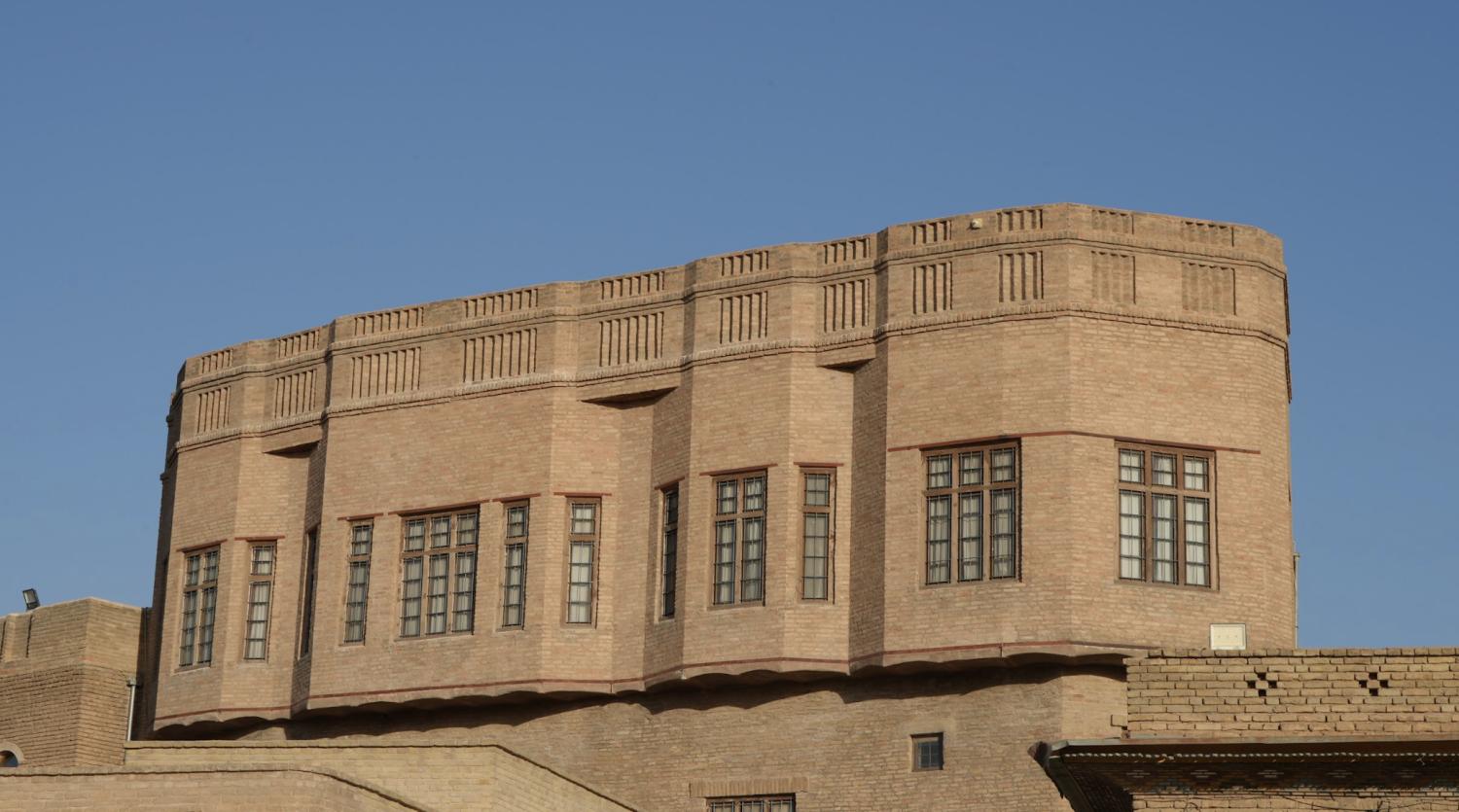
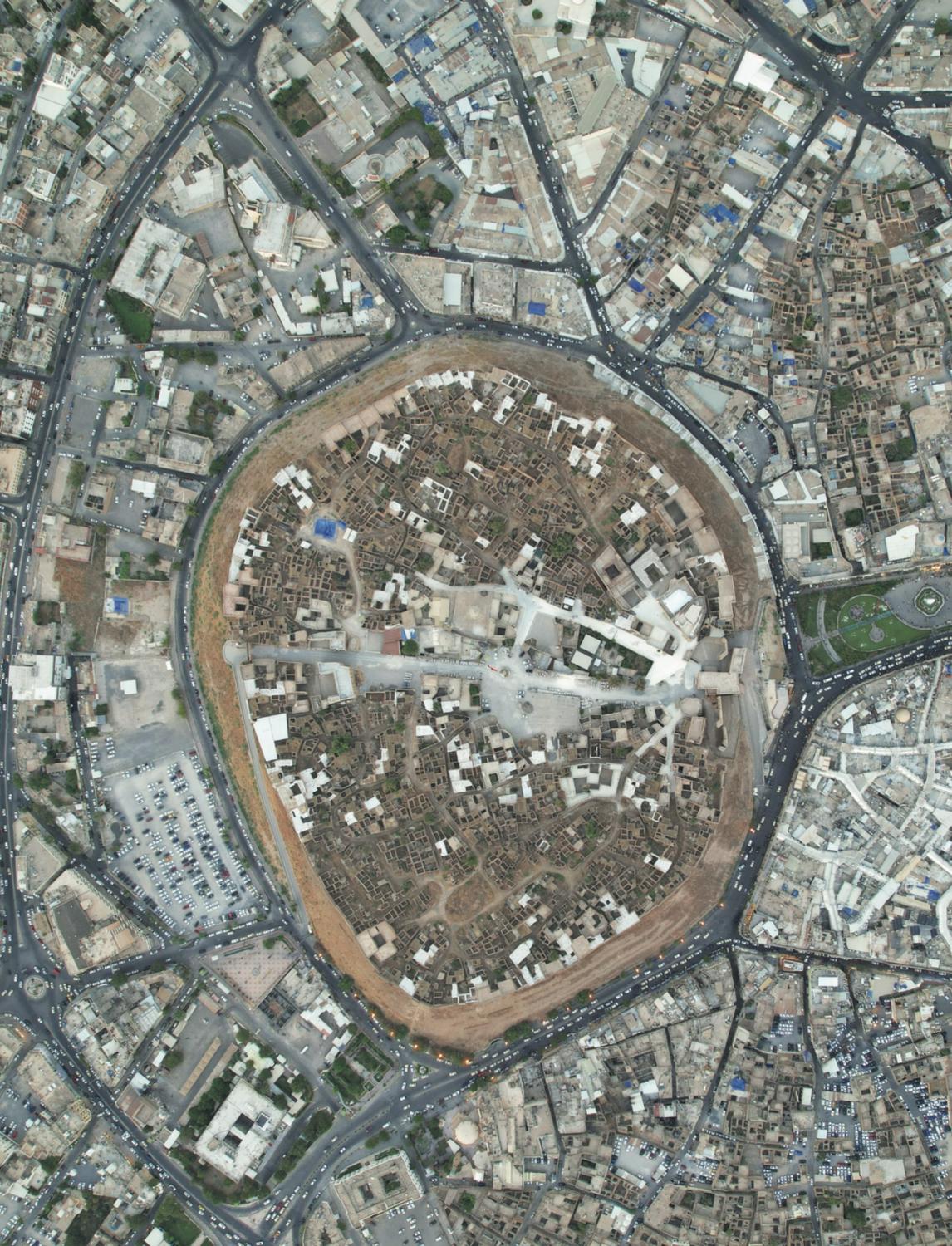
The Erbil Citadel was recognized as a world heritage site by UNESCO in 2014, but years of regional conflict has left many buildings in dire condition. The Kurdistan Regional Government (KRG), together with private donors and international nongovernmental organizations, is now working to reverse the decay.
Since 2007, residents of the citadel have been compensated and moved out of the historical site. Only one family remains, serving as guardians of what makes the citadel famous – being the world’s oldest continuously inhabited settlement.
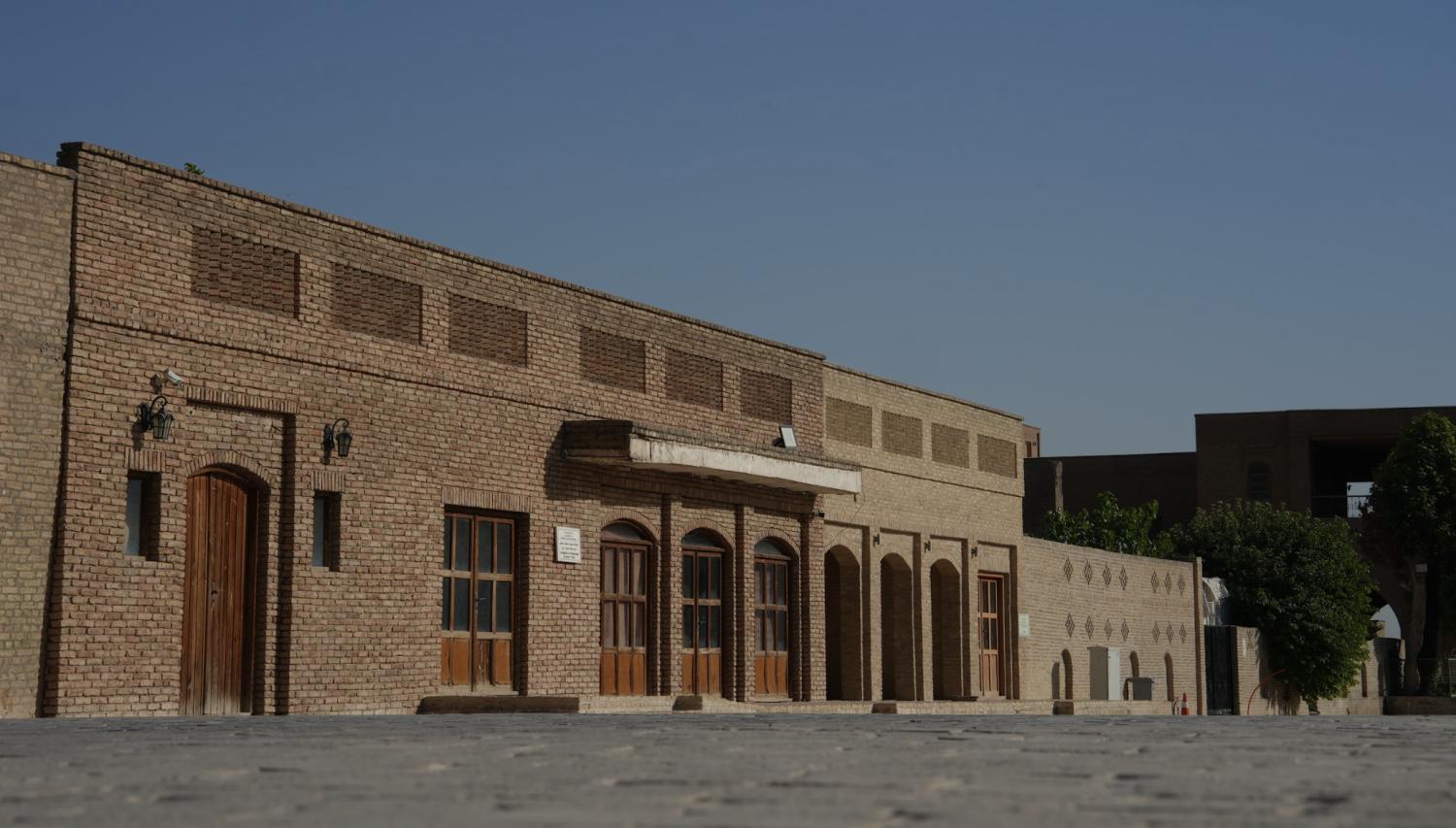
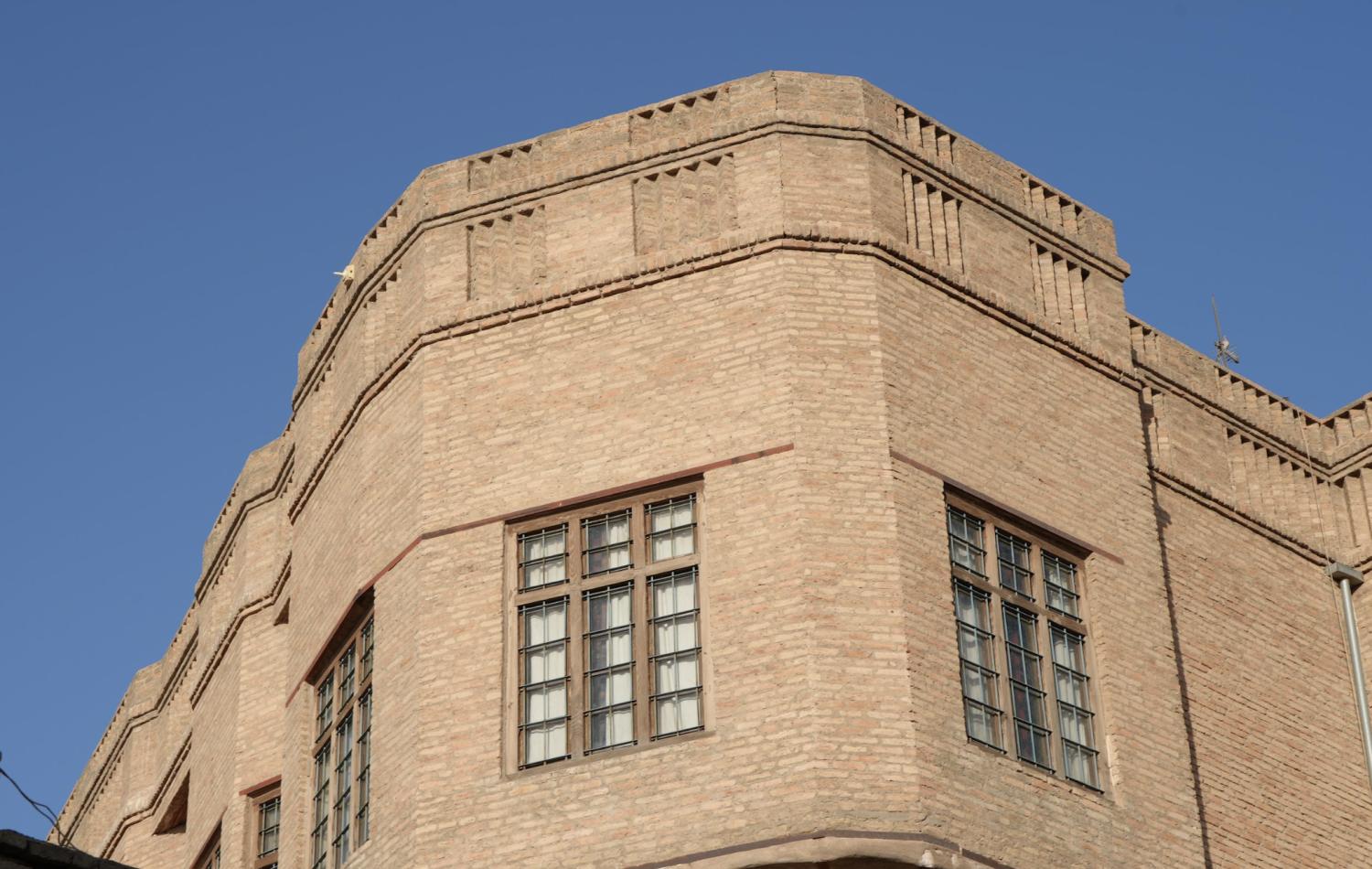
To chart the progress of this bold initiative, Kurdistan Chronicle spoke with Falah Hasan, an engineer who served as the Head of the High Commission for Erbil Citadel Revitalization during the past year. Hasan revealed that of 506 houses, 30 have been fully renovated and repurposed for various uses, while many others are in the final stages of restoration.
“We have prioritized this work. For instance, the focus is on paving the road that connects the main entrance to what is known as the Ahmadi Gate. This 340-meter-long road, which is nearly 1,400 meters in surface area, is paved with cobblestones. The houses along it are almost fully renovated,” Hasan said.
Belonging to the world, not just Erbil
In recent years, the KRG’s approach to the citadel has evolved, showing not only a stronger commitment to preservation, but also a clear shift in how decisions about its future are made. Last year, these were placed under the direct administrative jurisdiction of the office of KRG Prime Minister Masrour Barzani.
“In the past, the citadel was treated like just another neighborhood of Erbil under the governorate office. Now, Prime Minister Barzani gives it special attention, seeing it as a unique historical site that belongs to the world, not to Erbil alone,” Hasan said.
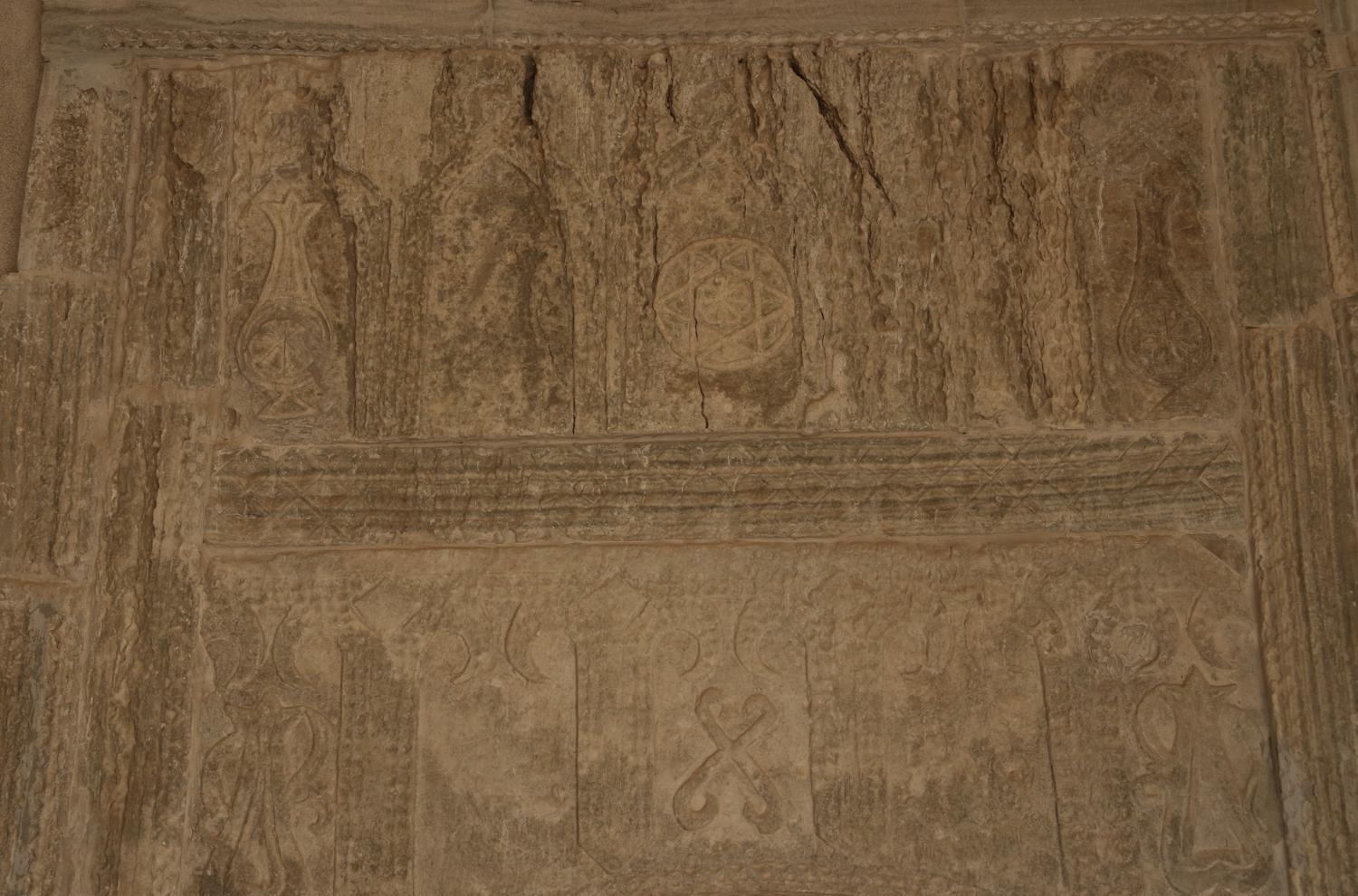
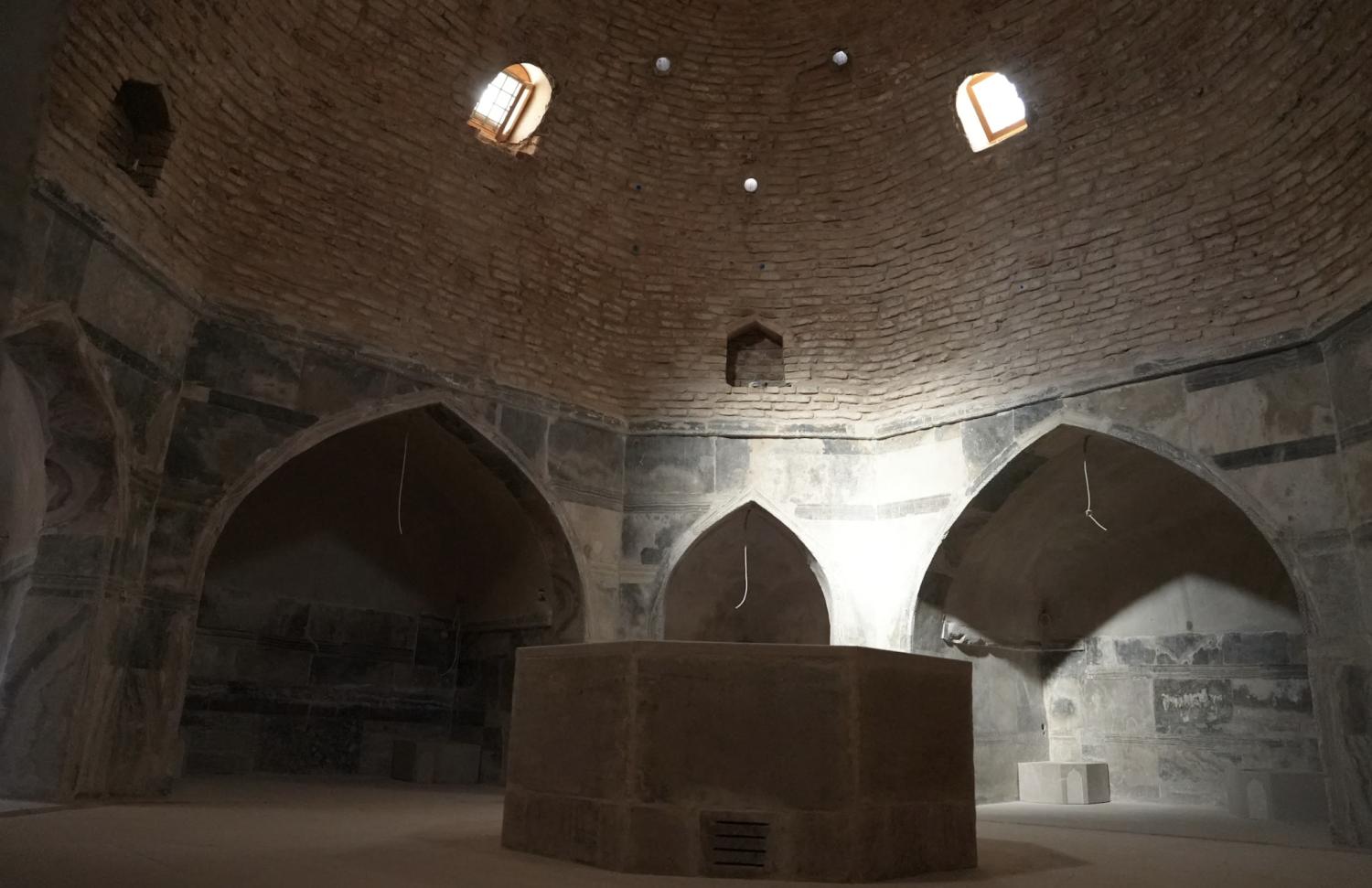
Following a short pause, a new season of archaeological excavations is expected to begin in the coming weeks. Previous diggings have revealed several different layers of civilizations and invaluable artifacts that will soon be displayed for the public.
“The artifacts discovered here belong to the citadel, and they will not leave it,” Hasan stressed confidently. He himself comes from a family who used to live inside the citadel. He went on to reveal that a recently renovated building is being prepared to house these artifacts and welcome local and international visitors.
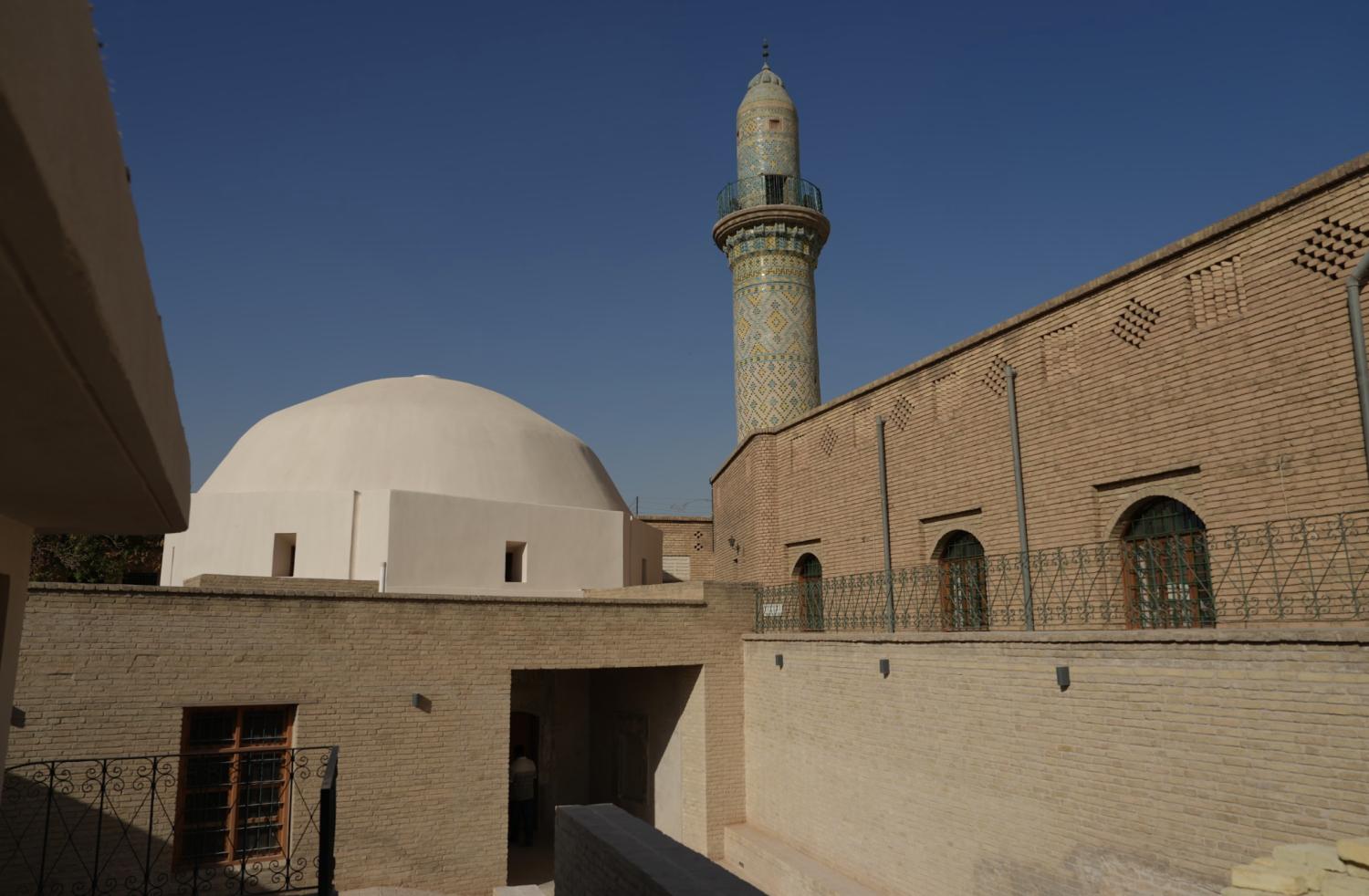
In recent weeks, the commission reopened the citadel to the public for four hours as a way to put their work to the test. According to officials, the results were highly satisfactory, and the final reopening is expected very soon.
“A timeframe has not been set yet,” Hasan said.
Let there be light
Based on a detailed master plan drawn in consultation with UNESCO, businesses – cafes, teahouses, restaurants, and hotels – will be opened inside the citadel.
“The whole idea is to keep the citadel alive. Having businesses operate here will help maintenance and preservation,” Hasan emphasized, arguing that any building could gradually fall into disrepair if it is kept unused for a long period.
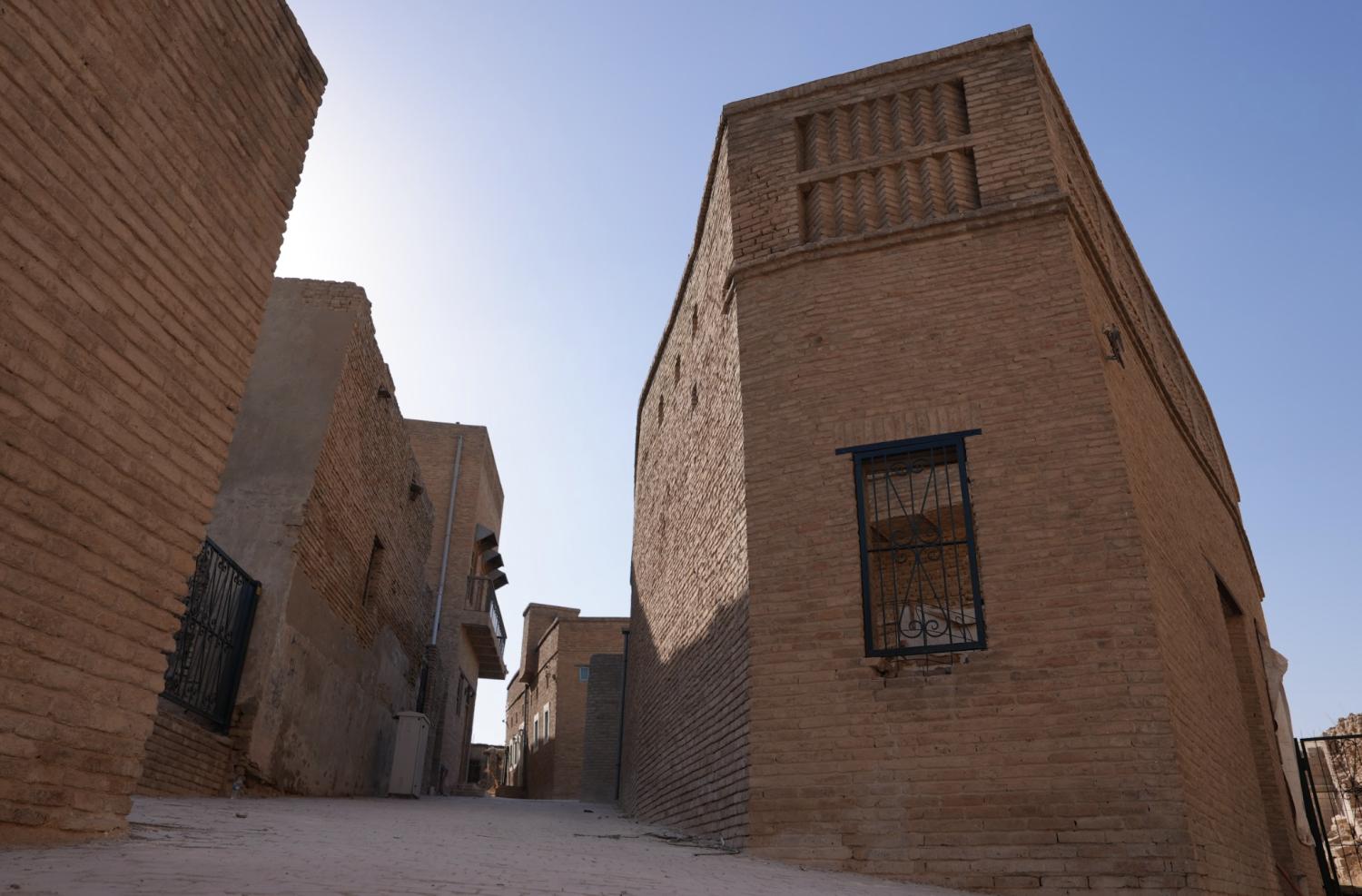
But that could take some time.
Until people resettle there, the citadel needed a temporary yet clever initiative to revive its charm and restore the feeling of a living settlement, especially at night. The solution was simple: light.
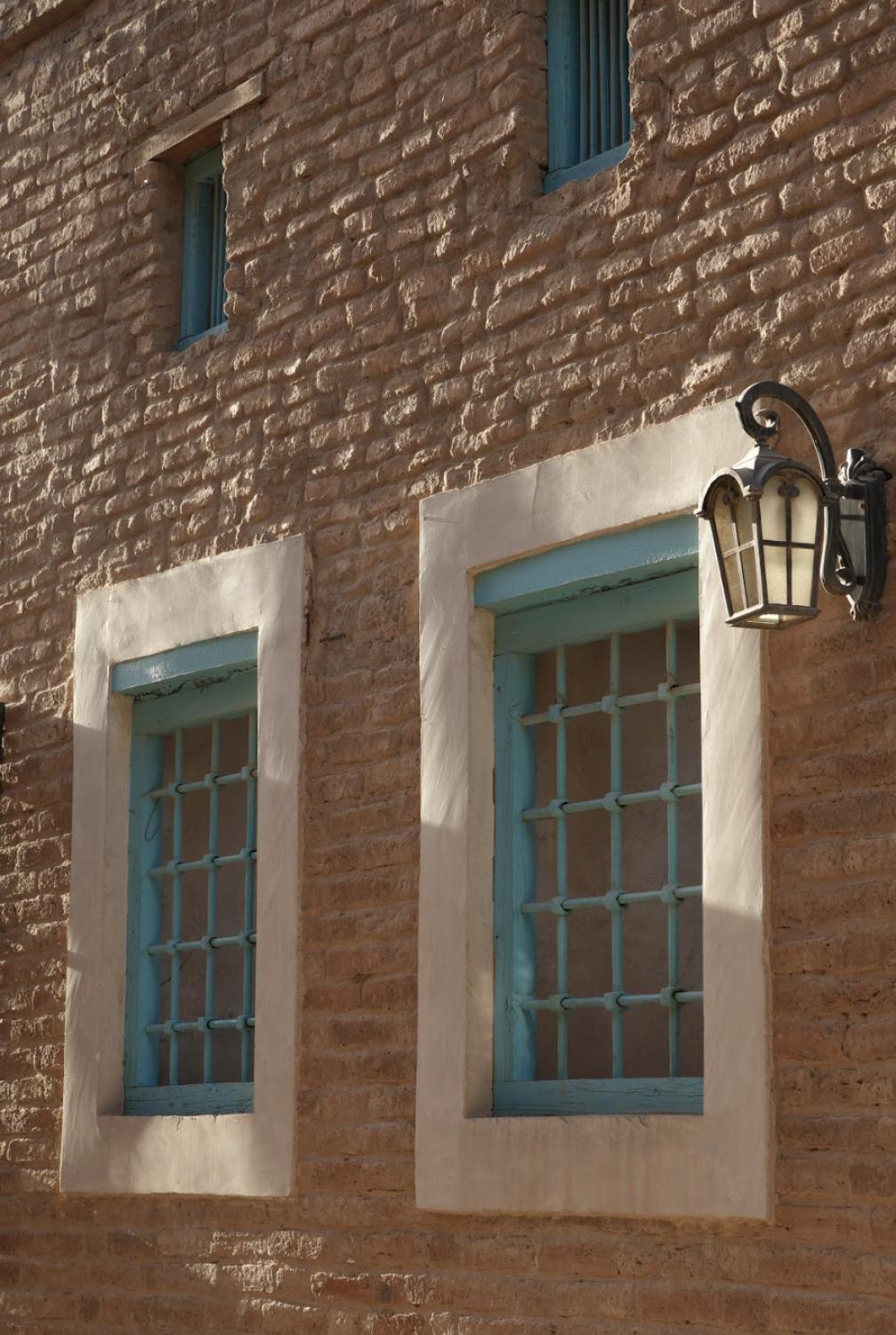
“We have even added lighting for the vacant houses,” Hasan said. “It was an effective but not costly initiative.”
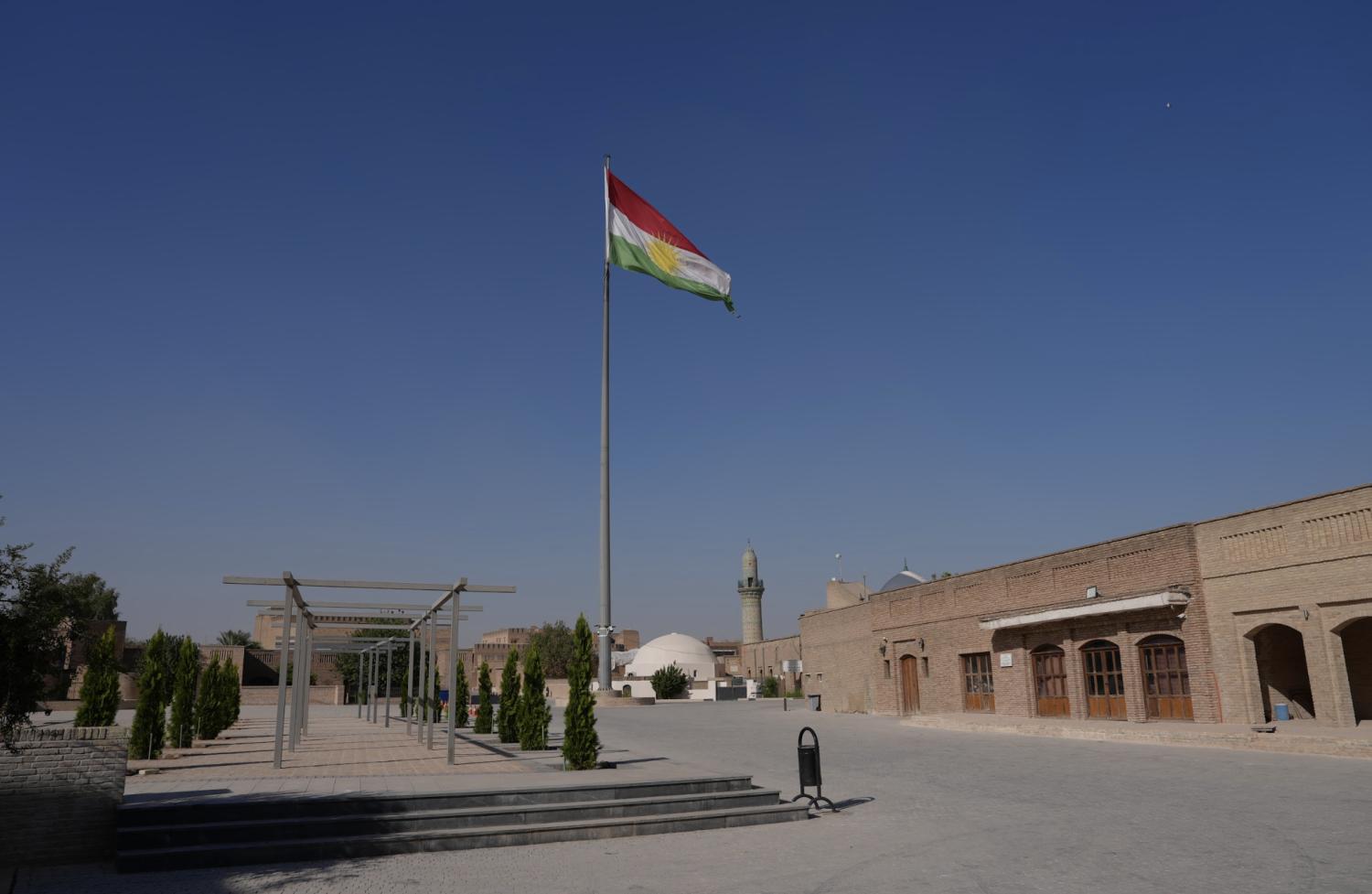
The idea appears to be working already. From his spot outside the citadel’s walls, Akram, the teahouse owner, says he can already notice the change.
“In the evenings, I see dim yellow lights through the windows of the citadel houses. It feels like people are still living there, like in the old days.”
Kurdish journalist and translator besed in Erbil, Kurdistan Region.