Several former U.S. officials have called for negotiations between Erbil and Baghdad to solve their disputes.
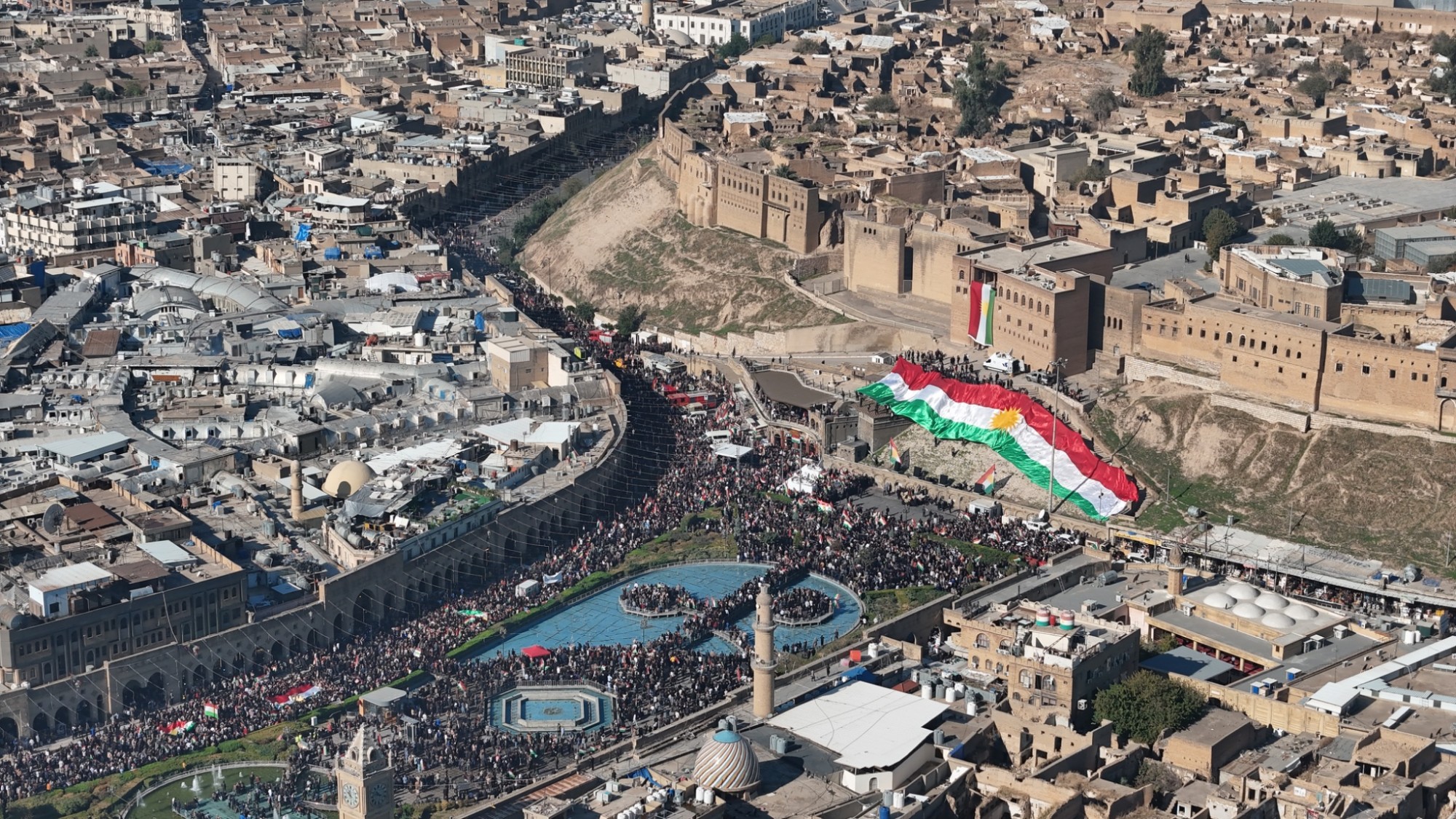
Earlier this week, Iraqi Prime Minister Ali al-Zaidi’s spokesperson announced that Baghdad would deploy security forces to Kurdistan’s borders and would seize oil fields in the disputed territories. Kurdish leaders have called the move unconstitutional.
Victoria Taylor, former U.S. Deputy Assistant Secretary for Iraq and Iran, posted on X this Thursday that the Kurdistan Region cannot be compared to Iranian-backed armed factions that have carried out attacks within Iraq.
She contrasted the situation with that of Kata’ib Hezbollah, whose stronghold of Jurf al-Sakhar Iraqi forces entered on November 20 to stop oil smuggling. After Iraqi forces entered Jurf al-Sakhar, Baghdad started to make demands on the Kurdistan Region.
“Kurdistan is a semi-autonomous region according to Iraq’s own constitution. International and Iraqi court decisions have asserted Baghdad’s control over oil sales, but issues of revenue sharing between Baghdad and Erbil are poorly defined in constitution,” Taylor said. “The hydrocarbons law was first submitted to the Council of Representatives in 2007 and still has not passed.
”Kurdish leaders have previously called for the passing of a new Iraqi Oil and Gas Law.
“These issues between Baghdad and Erbil need to be resolved through negotiation, not by directive — and certainly not through force. And by all means, I urge political leaders in Baghdad to turn the focus back to the militias, who are by far the most urgent threat for the Iraqi state.
“And I urge the United States to use its significant influence to de-escalate this situation and help broker a solution that protects the important balance between Baghdad and Erbil,” she added.
In a post on Truth Social on Friday, U.S. President Donald Trump underlined his support for Iraqi Prime Minister al-Zaidi’s “efforts to assert state authority throughout Iraq.”
“If this is not, in fact, what the USG position is, then it is a poorly timed statement coming only days ahead of the schedule December 1 meeting between key Iraqi and Kurdish leaders,” Taylor added on X on Friday.
“Weighing in so heavily in favor of the PM undermines any real effort to reach an agreement on these longstanding and complicated issues and it also undermines the USG position as a trusted broker.”
“The US should be urging adherence to the Iraqi constitution, negotiations over the areas of disagreement (rather than the use of security forces), and reminding all involved of USG support for a strong and resilient Kurdistan within Iraq,” she concluded.
Alex Plitsas, a Nonresident Senior Fellow at the Atlantic Council, who previously worked in the U.S. Secretary of Defense’s office, told Kurdistan Chronicle that “Washington can and should play a role in mediating to ensure Kurdish rights and the Iraqi Constitution are protected so that the situation does not escalate.”
He added that “the Iraqi Government’s intended actions appear to be an attempt to counterbalance the push to disarm or integrate the Popular Mobilization Forces into the Iraqi military, and take control of Jurf al-Sakhar, while asserting sovereignty over border control without overplaying its hand in Kurdistan.”
Iraqi Prime Minister al-Zaidi set June 30, 2027 as the deadline to disarm Iranian-backed armed groups in Iraq outside state control.
Nicholas Heras, Interim Executive Director and a member of the Board of Directors of the Middle East Policy Council, told Kurdistan Chronicle that the United States wants Iraqi Prime Minister al-Zaidi to weaken the Iran-aligned factions that make a lot of money from smuggling, but will avoid intervening in the dispute over international border crossings.
“The red line for Washington would be if Prime Minister al-Zaidi tries to use force to remove Peshmerga from disputed territories or to consolidate state control over oil resources inside the Kurdistan Region. A viable, autonomous Kurdistan Region that is connected to federal Iraq, but able to make decisions independently from the heavily Iranian-influenced Baghdad is still a preferable state of affairs for the United States.
“Al-Zaidi needs American backing to remain prime minister while taking on the Iranian-aligned militias, which is more important at this time than asserting his dominance over the Kurds.”
A national dialogue organized by Iraqi Supreme Judicial Council President Faiq Zaidan will be held next Tuesday in Baghdad to try to resolve the crisis between Erbil and Baghdad.
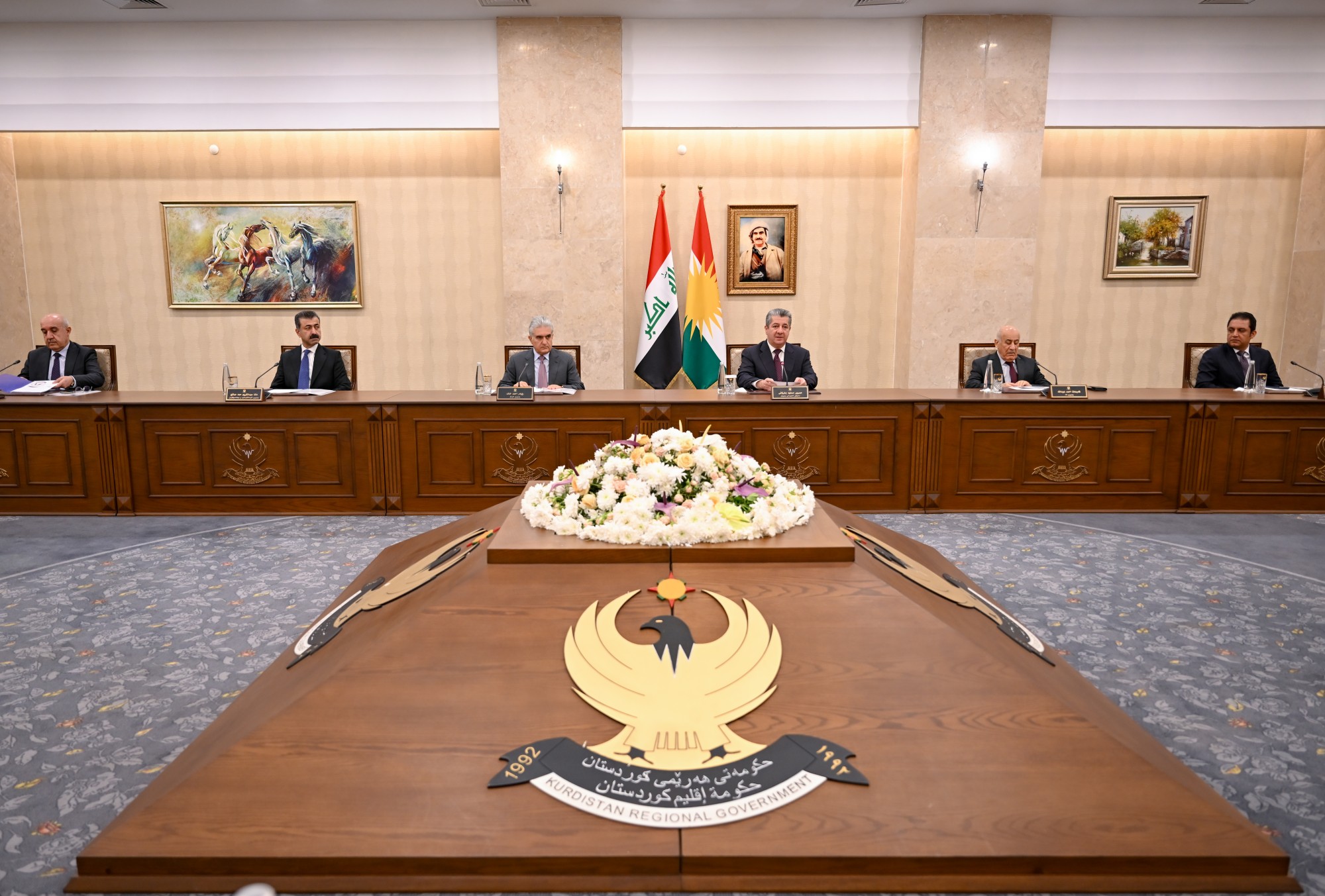
Local media quoted an Iraqi government spokesperson announcing that the meeting will be attended by Kurdistan Region President Nechirvan Barzani, Kurdistan Regional Government (KRG) Prime Minister Masrour Barzani, and Patriotic Union of Kurdistan (PUK) leader Bafel Talabani.
KRG Prime Minister Barzani told reporters on Tuesday that both the Kurdistan Democratic Party and the PUK were invited for talks.
A seasoned reporter and analyst who specializes in Kurdish affairs.