Kurdistan, situated in a region known as the cradle of civilization, is home to countless archaeological sites, some of which are listed as UNESCO World Heritage Sites. They tell not only the story of a nation, but also part of the story of mankind. In this issue, Kurdistan Chronicle brings several of these remarkable sites into the spotlight, celebrating Kurdistan’s rich history and the civilizations that have flourished on its lands.
Turning to more recent developments, this issue also examines the withdrawal of U.S. forces from Iraq and the Kurdistan Region. U.S. soldiers have been present in the Kurdistan Region for nearly three decades under different mandates. During that time, no American soldier has been killed in combat on Kurdish soil, and U.S. forces have faced no hostility from the local population. Washington has long counted the Kurds among its most reliable allies in the region. But broader geopolitical priorities can shift, sometimes quickly. The U.S. withdrawal on September 30, however, did not come as a surprise to the Kurds. Erbil sees the withdrawal as the beginning of a new phase of the longstanding Kurdish-American partnership.
In its international relations, Kurdistan has consistently sought friendly cooperation based on mutual interests. Yet threats persist, and the Kurdish Peshmerga forces continue to adapt to changing realities on the ground. The ongoing effort to unify the Peshmerga is part of a broader drive to strengthen the capabilities needed to protect Kurdistan and the values it shares with its international partners, including democracy, freedom, equality, and human rights.
These values are also reflected in Kurdistan’s society. For international visitors, the region’s greatest attraction, alongside its breathtaking mountains, may be the hospitality of its people and their respect for freedom. Unlike many parts of the wider region, Kurdistan remains a model of religious and ethnic diversity. But there is another side of Kurdistan that visitors increasingly encounter: rapidly modernizing infrastructure and world-class development projects that challenge lingering stereotypes about a region surrounded by countries scarred by conflict.
Development also means drawing on Kurdistan’s strengths. The Kurdistan Regional Government recognizes the potential of sectors with roots deep in its history, above all agriculture. In recent years, incentives have encouraged farmers to return to their lands and contribute to an ambitious goal of Kurdish policymakers: making Kurdistan a breadbasket for the Middle East. At the same time, new local factories are helping Kurdish products reach domestic and international markets. The Sharazur tomato paste factory, featured in this issue, is one example of that transformation.
Together, these stories capture a Kurdistan shaped by an extraordinary past and firmly engaged with its future as it seeks to preserve its heritage, adapt to a changing security environment, strengthen international partnerships, and build an economy rooted in the resources and talents of its people.
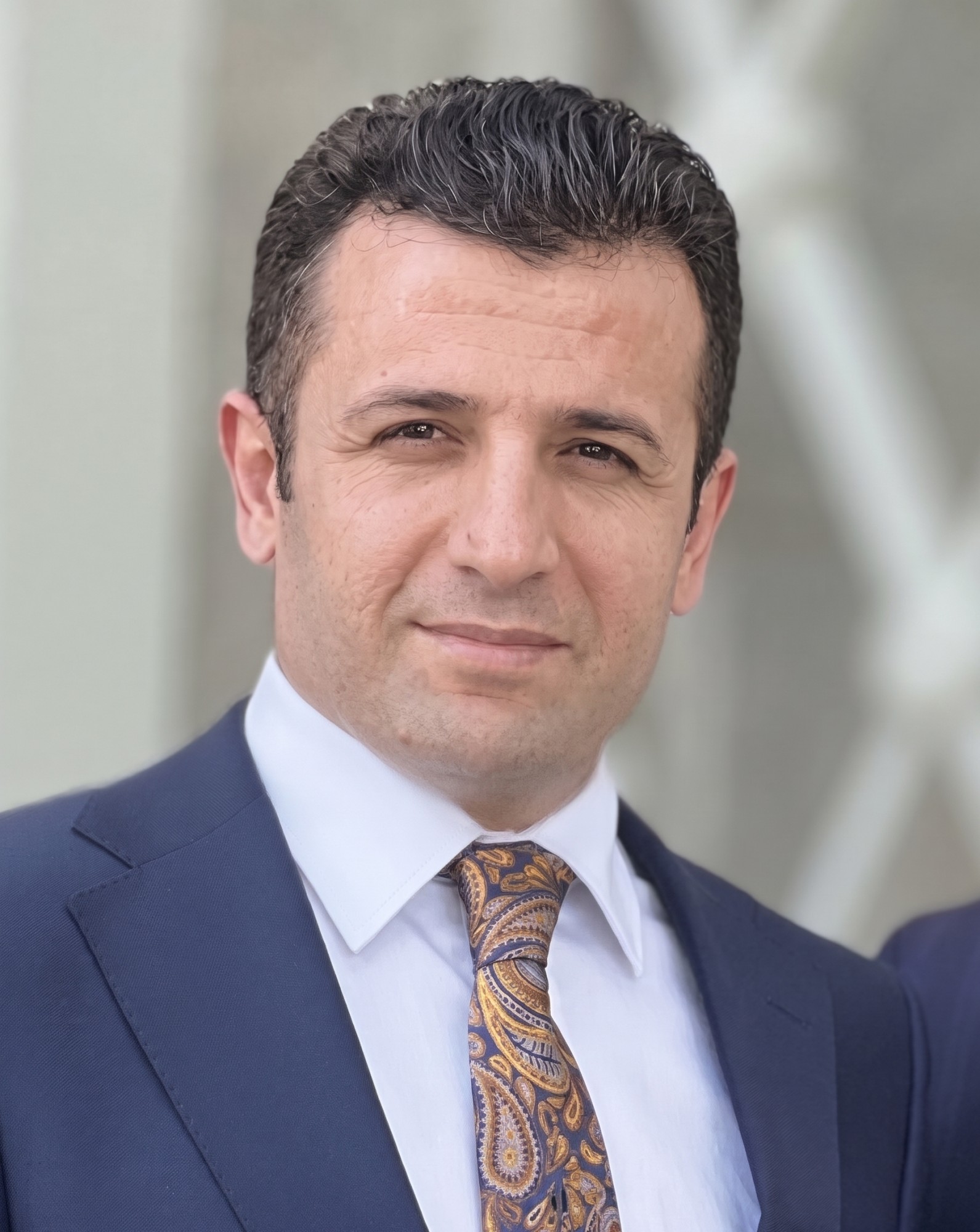
A Kurdish writer specialized in diplomacy and international relations.