A report surveying 400 households across all governorates in the Kurdistan Region found that more than 90% struggle to afford basic needs, including food, healthcare, and education, as a result of budget cuts by Baghdad, with the crisis negatively affecting women in particular.
The Kurdistan Regional Government (KRG) High Council for Women and Development commissioned a gender-based study examining the impact of salary delays and budget cuts by Baghdad since 2014 on families across the Kurdistan Region.
The research covered 400 households across the four governorates and independent administrations of the Kurdistan Region, alongside interviews with senior government officials.
Read More: Baghdad’s Financial Squeezing of Kurdistan Undermines U.S. Interests
The report shows that the Kurdistan Region has faced a prolonged fiscal crisis that has evolved into a wider socio-economic problem, affecting household welfare, public services, and social stability due to budget cuts by Baghdad.
“I don’t have enough money to support myself,” one woman said in a video shown at the event.
Many families are increasingly relying on debt, cutting essential spending and selling assets to cope with salary delays.
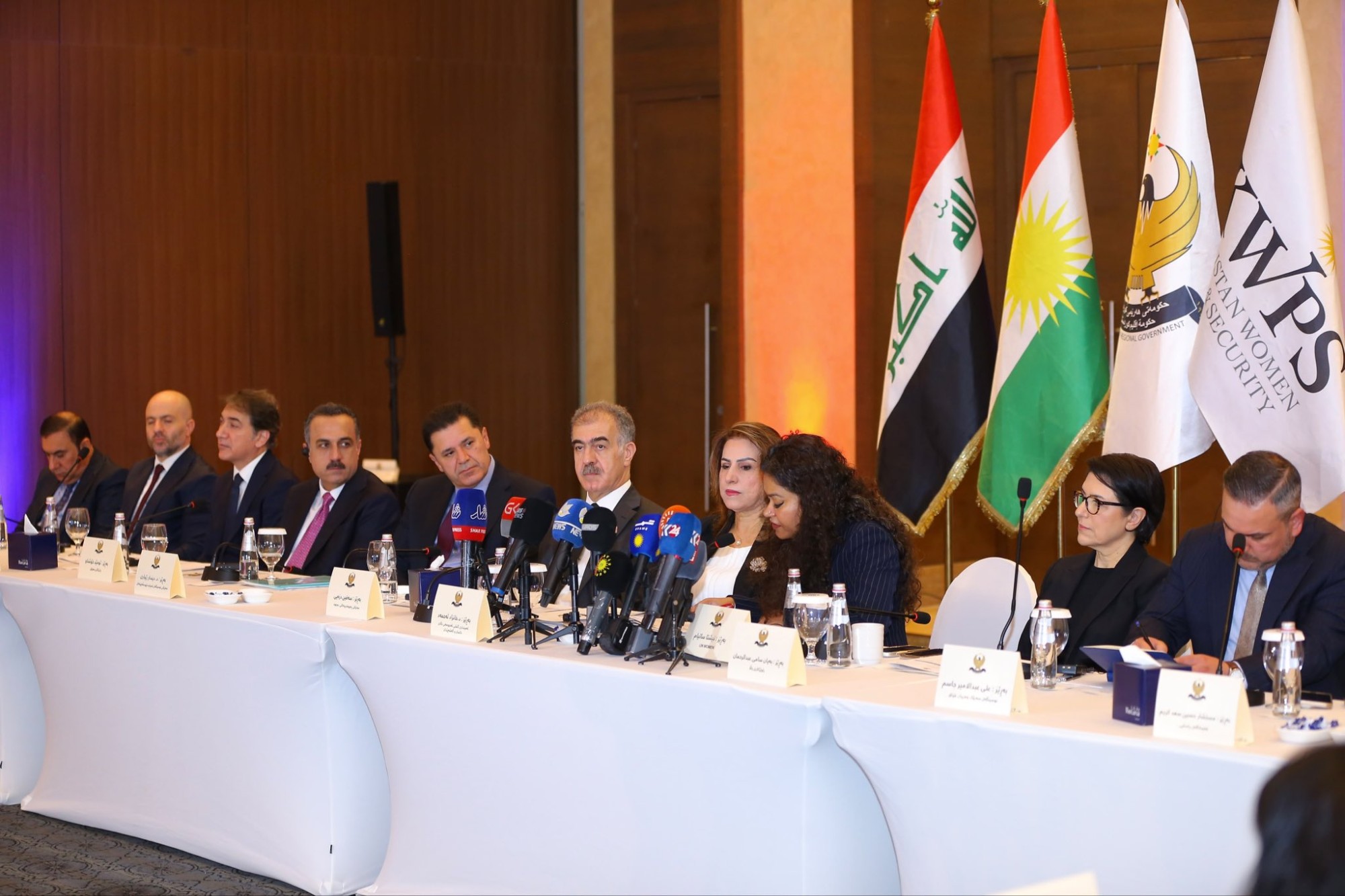
“Its findings are deeply concerning,” said Dr. Khanzad Ahmed, Secretary-General of the KRG’s High Council for Women and Development. “The study found that 91% of surveyed households struggle to meet basic household expenses. Furthermore, 85% face difficulties meeting healthcare needs, while 82% report difficulties providing for their children’s education. More than three-quarters of households have also experienced increased debt.”
“These figures represent real families making difficult choices every day. However, the research also highlights an important reality: women carry a disproportionate share of this burden,” she added.
The survey shows that 88% of respondents reported that salary delays significantly increase psychological pressure on women, while 87% indicated that women often reduce their personal spending to prioritize family needs.
“We must recognize women’s resilience, but we must also be clear: women’s ability to absorb economic shocks should never become a substitute for effective public policies, predictable salaries, and adequate social protection,” Dr. Ahmed stated.
Therefore, she underlined that there is a need for “sustainable, transparent, and reliable financial arrangement between the Federal Government and the KRG is essential to restoring confidence and providing families with the ability to plan their lives.”
Moreover, she said healthcare, education, electricity, and water services must remain priorities, even during periods of financial pressure.
“Families that depend entirely on government salaries, particularly vulnerable households and those with limited alternative sources of income, need appropriate protection and targeted support,” she concluded.
“Women’s needs, unpaid care responsibilities, economic participation, and disproportionate exposure to financial shocks must be reflected in budget planning and public policy decisions.”
During the event, Erbil Governor Omed Xoshnaw underlined that Erbil and Baghdad can achieve better outcomes through dialogue, without negatively affecting society or public services, and expressed hope that the new cabinet could solve these issues.
He also said that the Kurdistan Region carried a large financial burden during the fight against ISIS in 2014, hosting thousands of refugees and internally displaced persons in camps.
“We have seen how women have suffered from this crisis, including its psychological impact. It has also affected the country’s development and the delivery of public services,” he said.
Dr. Dindar Zebari, KRG Coordinator Office for International Advocacy, highlighted recommendations on improving healthcare standards for women.
He noted that officials from various KRG ministries, including the Ministry of Labor and Social Affairs and the Ministry of Education, were involved in these efforts.
He acknowledged that the Kurdistan Region had made achievements but continued to face budget constraints due to the budget cuts. He called for greater support from UN agencies, particularly through funding and training programs.
Also during the event, Nishtha Satyam, UN Women Representative in Iraq, underlined the importance of including women in decision and peace making, adding that women often put themselves last and prioritize the needs of others, and contribute to society as teachers and healthcare workers.
“The success of the Kurdistan Region is essential to the success and growth of the Republic of Iraq. The two are intertwined by nature,” she said.
“Dr. Khanzad outlined three ways forward. First, echoing the voices and concerns of women. Second, ensuring that financial decisions reflect people’s priorities, particularly the protection of essential services such as healthcare, education, and safety.
“Third, ensuring that women have a seat at the table. As the saying goes, ‘If you are not at the table, you are on the menu.’ It is essential that women’s voices are included in decision-making and dialogue.”
A seasoned reporter and analyst who specializes in Kurdish affairs.