The arrest of 22 suspected ISIS members comes as coalition forces prepare to leave Iraq and Washington winds down a key funding arrangement for the Peshmerga.
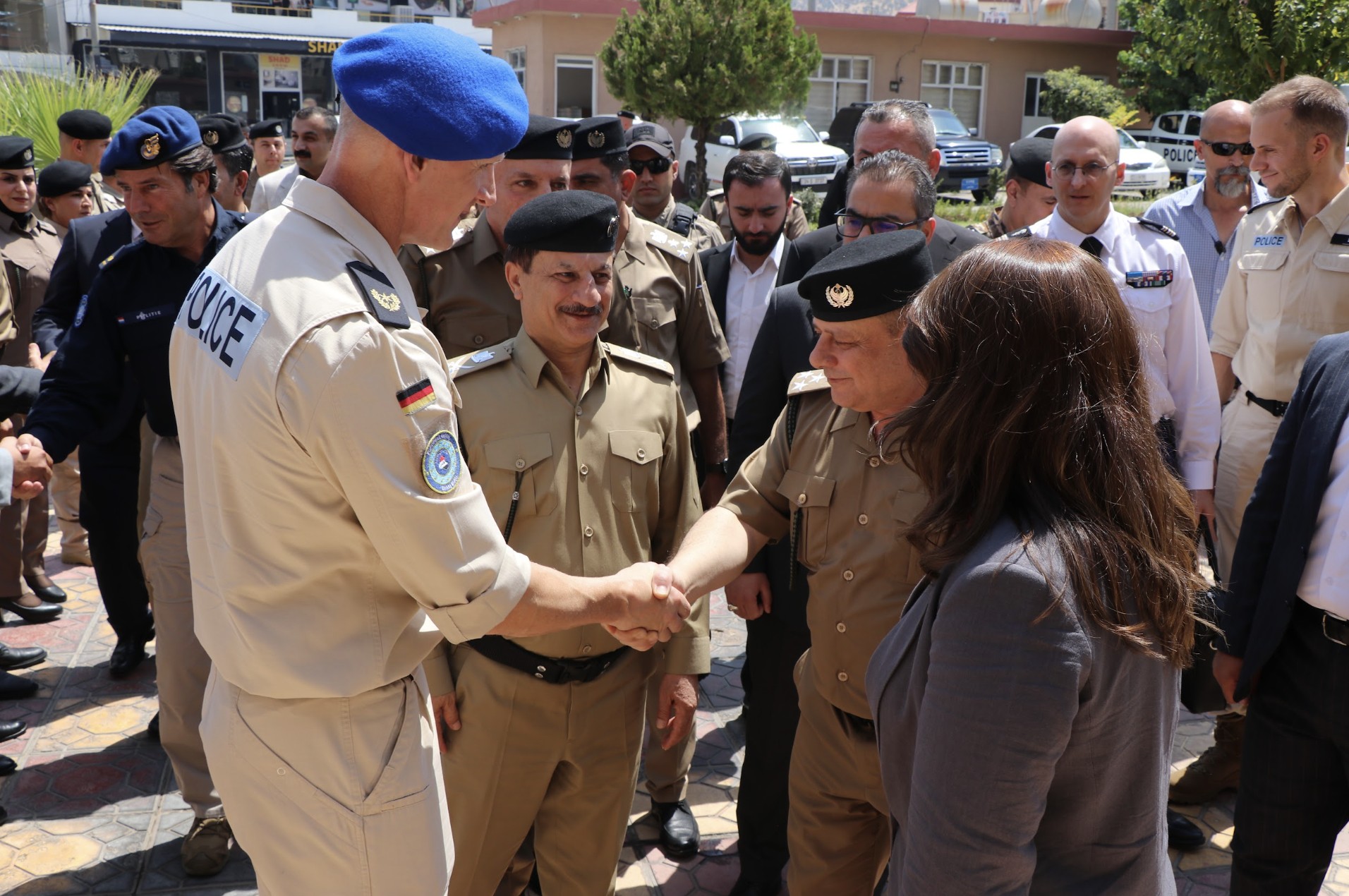
On Saturday, September 12, 2026, Asayish officers entered a house in Khurmal, a small town on the Halabja plain that lies within sight of the Iranian border. The man inside was described by the Kurdistan Region Security Agency as the sharia emir of an Islamic State network. He did not come quietly. There was gunfire, then silence, then handcuffs. By Sunday, the agency had announced the results of four days of operations across Sulaymaniyah and Halabja: two armed cells dismantled, 22 people held in custody, and caches of heavy and medium weapons seized alongside grenades, ammunition, and military binoculars. The group, the statement said, had been planning several attacks in mid-September.
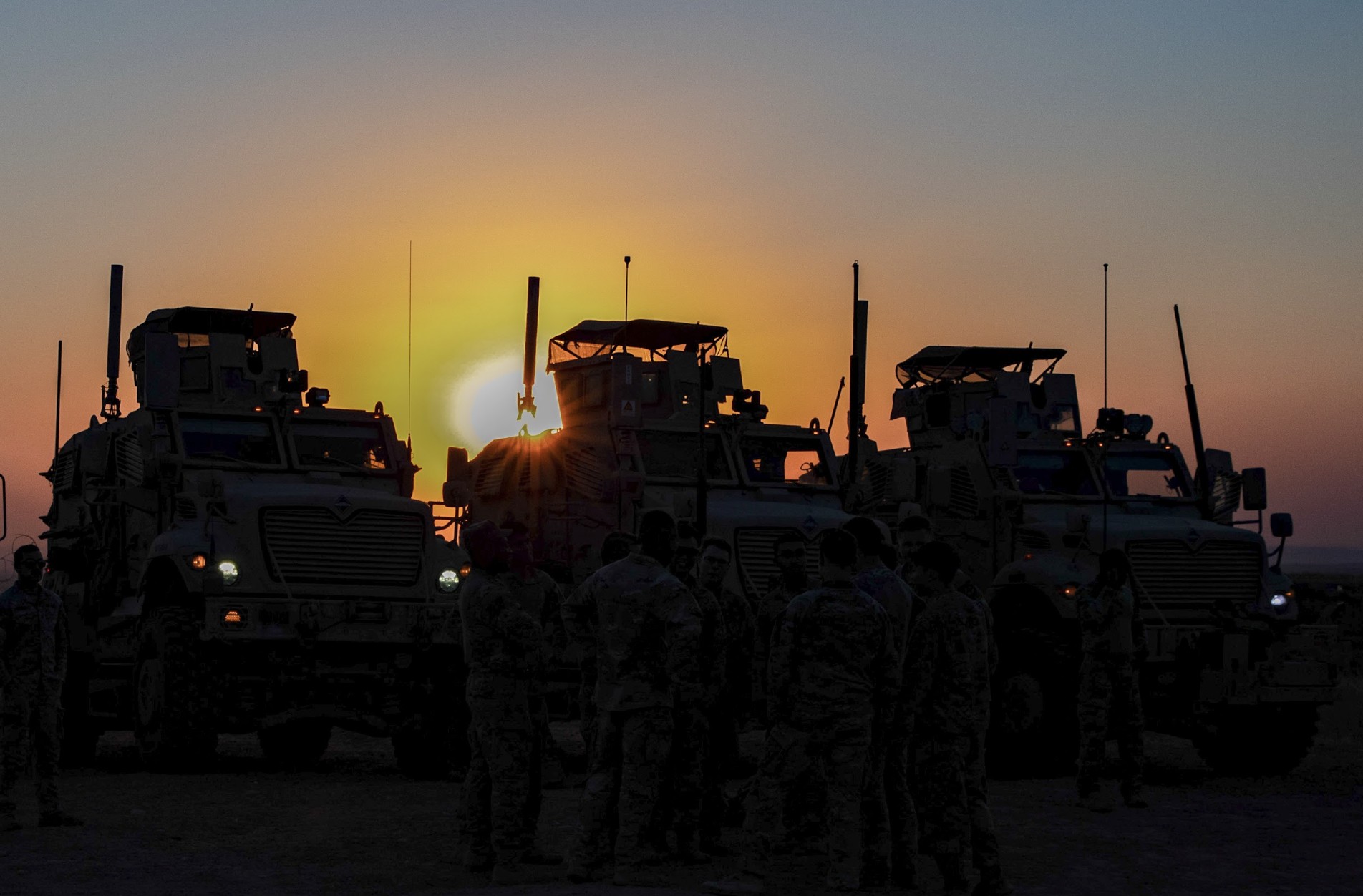
That same night, two other pieces of news reached Erbil. The first was Baghdad’s confirmation that the international coalition, along with its Patriot and C-RAM batteries, will leave Iraq on September 30. The second was a report, since confirmed by the Ministry of Peshmerga Affairs, that Washington will end the current funding arrangement for the Peshmerga when the existing memorandum expires on the same day. Each of these stories was covered on its own. Taken together, however, they expose the fragility of Iraq’s counterterrorism architecture.
The first lesson is the obvious one: ISIS is not a closed file. The U.S. intelligence community’s own assessment, cited in the Atlantic Council’s recent survey of the withdrawal, is that ISIS in Iraq remains severely degraded. That is true, but degraded does not mean eliminated. The organization does not need to control territory to function. It needs a house to hide in, like the one in Khurmal, a few rifles, and a plan. What the Asayish found was not a remnant hiding from the world but a network with a leadership structure, a religious authority, an arsenal, and a date for action.
The second lesson is that the threat is increasingly localized. Frzand Sherko, writing for the Washington Institute, traced how the group established a dedicated Kurdistan wilayat after 2019 and began producing propaganda in Kurdish aimed at young men in these districts. The organization is not trying to invade the Kurdistan Region. It is trying to grow inside it.
The third lesson is the timing. The latest U.S. government oversight report on Operation Inherent Resolve, the U.S.-led campaign against ISIS in Iraq and Syria, released this summer, described the ingredients of a comeback in plain terms: more than 100 fighters escaped from Shaddadi in January, roughly 20,000 people left al-Hol unmonitored when the camp was dissolved in February, and the collapse of the Syrian Democratic Forces (SDF) as an independent actor left detention facilities in Syria abandoned before anyone could take them over. U.S. Central Command calls the detainee population an ISIS army in detention. Some of that army is no longer in detention, and eastern Syria’s security vacuum does not stop at the Iraqi border. The U.S.-led coalition presence that has helped watch these movements is about to leave Iraq.
The Impending Withdrawal
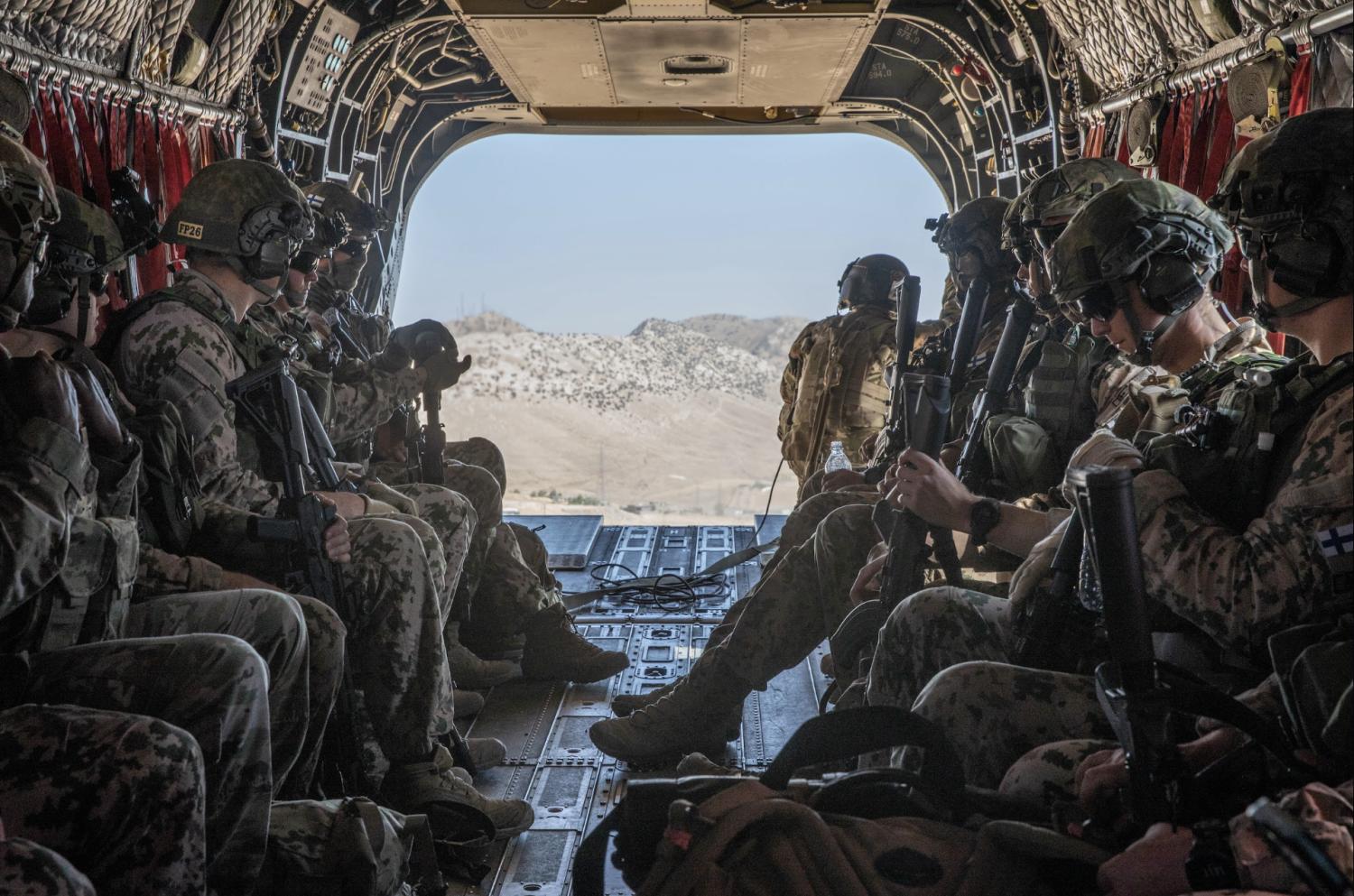
Now consider what the withdrawal tells us. Washington is leaving on the schedule agreed in 2024, not on the schedule the threat has set. That agreement was reached before the war with Iran, before more than 1,000 drones and missiles targeted the Kurdistan Region, and before U.S. government oversight reports warned that the Peshmerga lacked significant air defense coverage. The security environment has changed, but the timetable has not. The question is whether a withdrawal planned under different conditions still matches the threat on the ground.
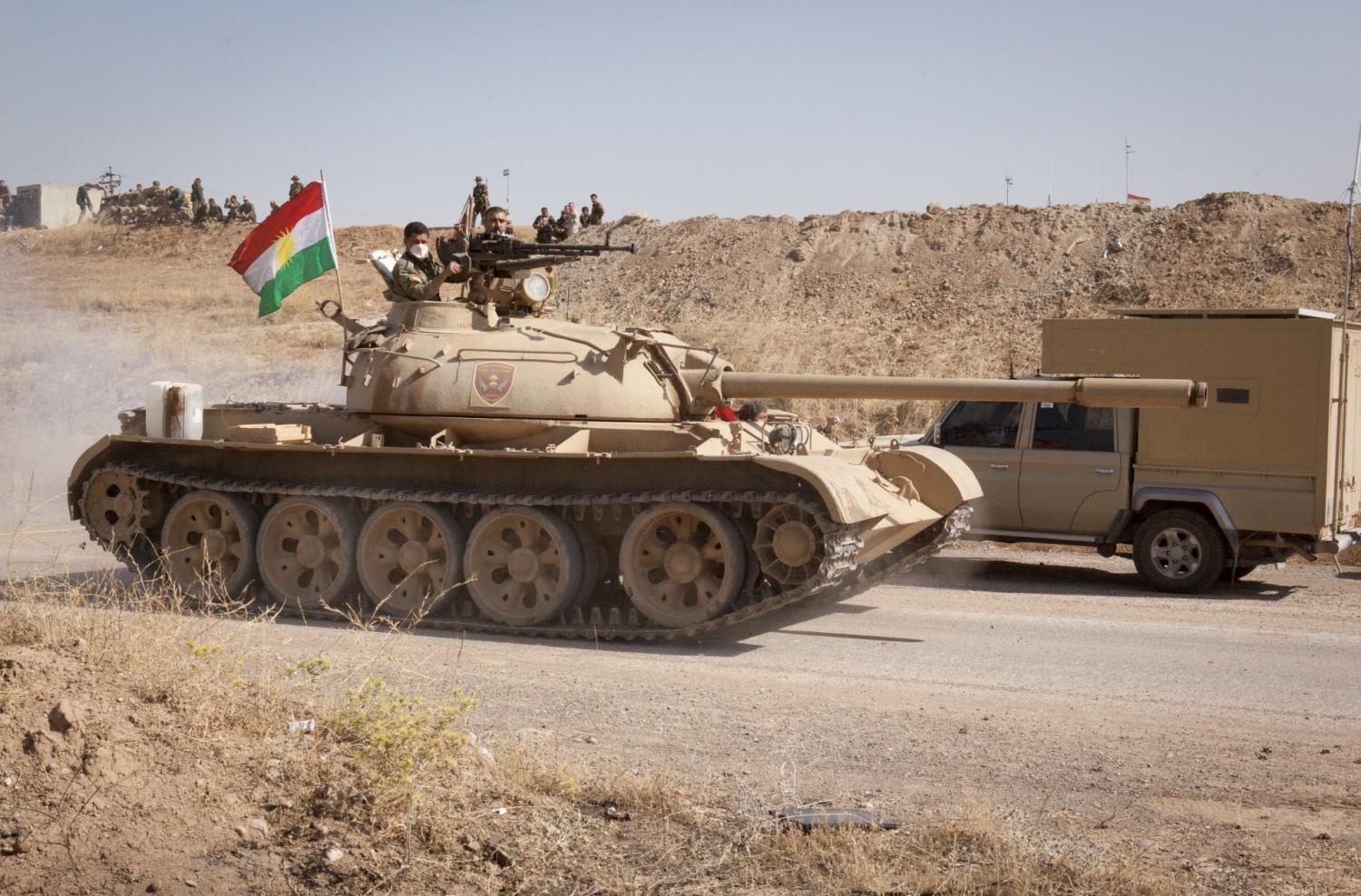
The funding decision tells us something more uncomfortable. The U.S. ambassador in Baghdad has explained that support for the Peshmerga was always meant to be temporary and was tied to Peshmerga reform and unification. Washington appears to consider the process sufficiently advanced. The logic is coherent: the money was tied to a reform, and sufficient progress has been made; therefore, the funding stops. What this leaves out is the reason the reform was demanded in the first place, which was to produce a force capable of holding the line against ISIS without the coalition standing behind it. A unified Peshmerga was never the goal. It was the means. To cut the support now that the force is finally shaped for the task, and now that the task is visibly not finished, is to confuse a milestone with a destination.
Put the three together and the picture is this: ISIS is recruiting locally, arming itself, and planning attacks in the Kurdistan Region. Among the forces responsible for stopping it are the Asayish, the region’s counterterrorism directorate, and the Peshmerga. In the Sulaymaniyah Governorate alone, the Asayish carried out 298 operations and made 716 arrests in 2025. Those forces are now facing the withdrawal of coalition air-defense assets, a reduced coalition presence and intelligence footprint, and the end of the current U.S. funding arrangement, all at the same time. The wager in Washington is that the ground will hold regardless.
After the Coalition
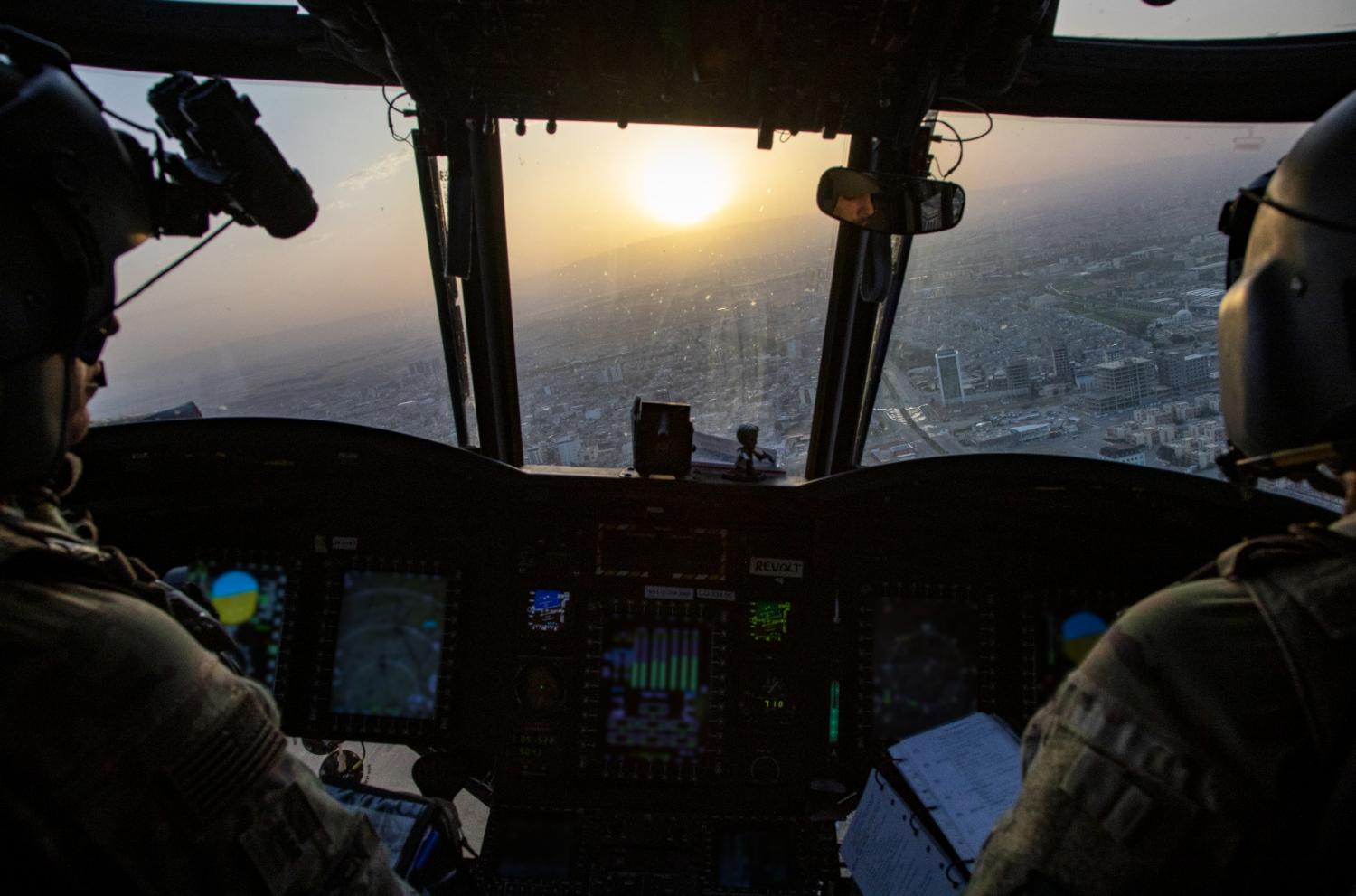
There is a version of the U.S. exit that does not end this way. The Atlantic Council’s experts note that intelligence cooperation and counterterrorism support are meant to continue through bilateral channels after the troops leave. If those commitments are to be meaningful, the Kurdistan Region should be written into those channels explicitly, not left to negotiate access through Baghdad. The current Peshmerga funding arrangement, which was $61 million this year, should be renewed as a counterterrorism measure rather than a unification bonus, alongside continued training, equipment, and air-defense support. And the intelligence and early warning capabilities that allowed the coalition to track ISIS movements should be shared with the Peshmerga as they assume greater responsibility for the counterterrorism campaign.
Researcher in Security and Strategic Studies