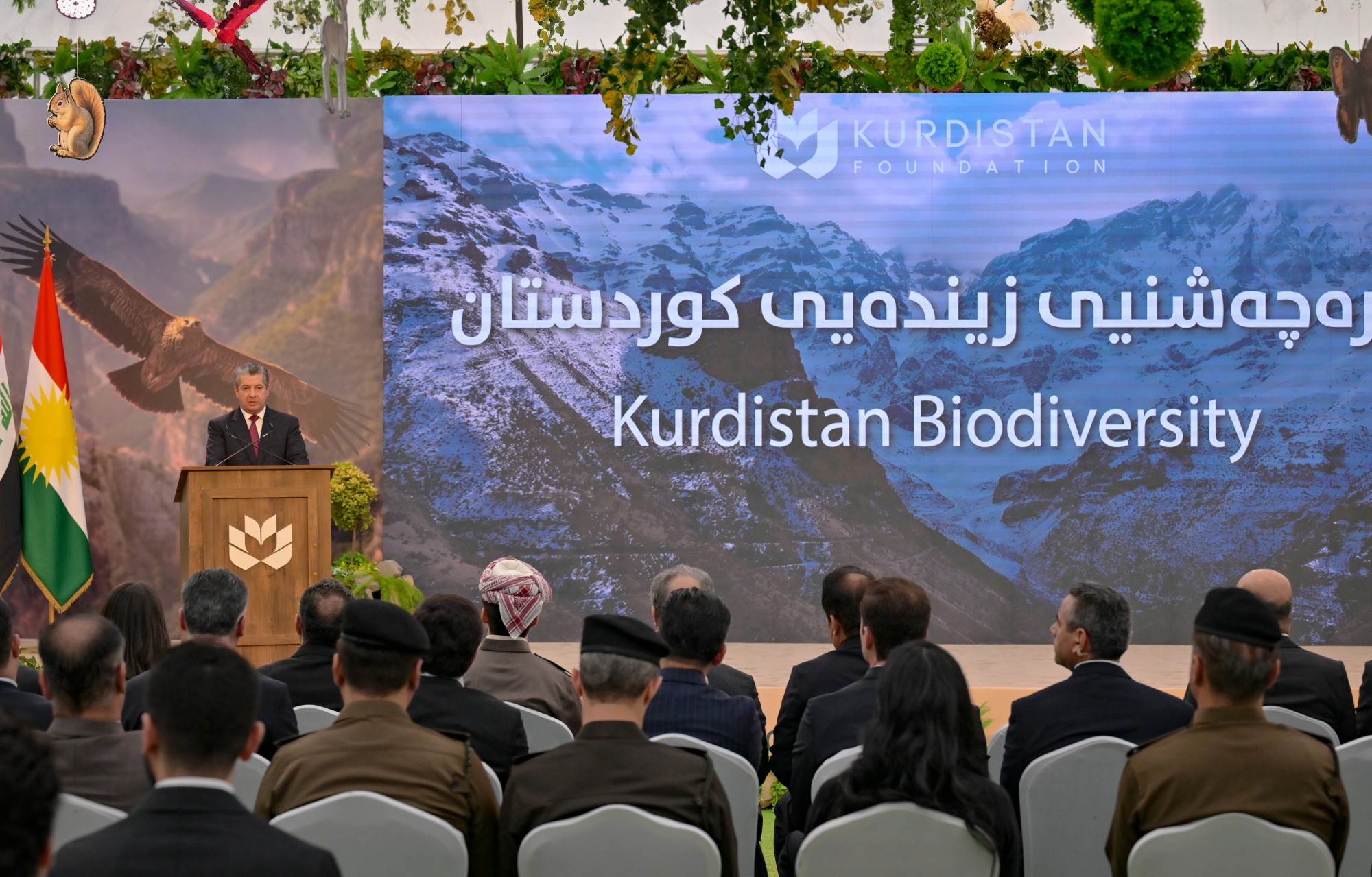
On Tuesday, the Kurdistan Foundation’s Kurdistan Biodiversity Project was launched by Kurdistan Regional Government (KRG) Prime Minister Masrour Barzani.
“I am pleased to be a part of the launch of the Kurdistan Biodiversity Project, an initiative by Kurdistan Foundation to document and protect our natural heritage for future generations,” KRG Prime Minister Barzani said on X.
I am pleased to be a part of the launch of the Kurdistan Biodiversity Project, an initiative by Kurdistan Foundation to document and protect our natural heritage for future generations. The project will log our wildlife and plant species, support scientific research, and strengthen conservation policies by building a database of Kurdistan’s flora and fauna. Protecting our biodiversity is a responsibility we all share. https://t.co/WZoiHQDSiU
— Masrour Barzani (@masrourbarzani) October 20, 2026
“The project will log our wildlife and plant species, support scientific research, and strengthen conservation policies by building a database of Kurdistan’s flora and fauna. Protecting our biodiversity is a responsibility we all share.”The initiative aims to “register animals and important areas in the Kurdistan Region, identify plants, and later research, study, and preserve them,” Prime Minister Barzani said at the launch event. “This initiative is a very important step toward introducing our biodiversity to the world,” he added.Prime Minister Barzani also said that the Kurdistan Region’s environment and biodiversity has suffered from the attacks and wars that the Kurds have been subject to throughout their history.
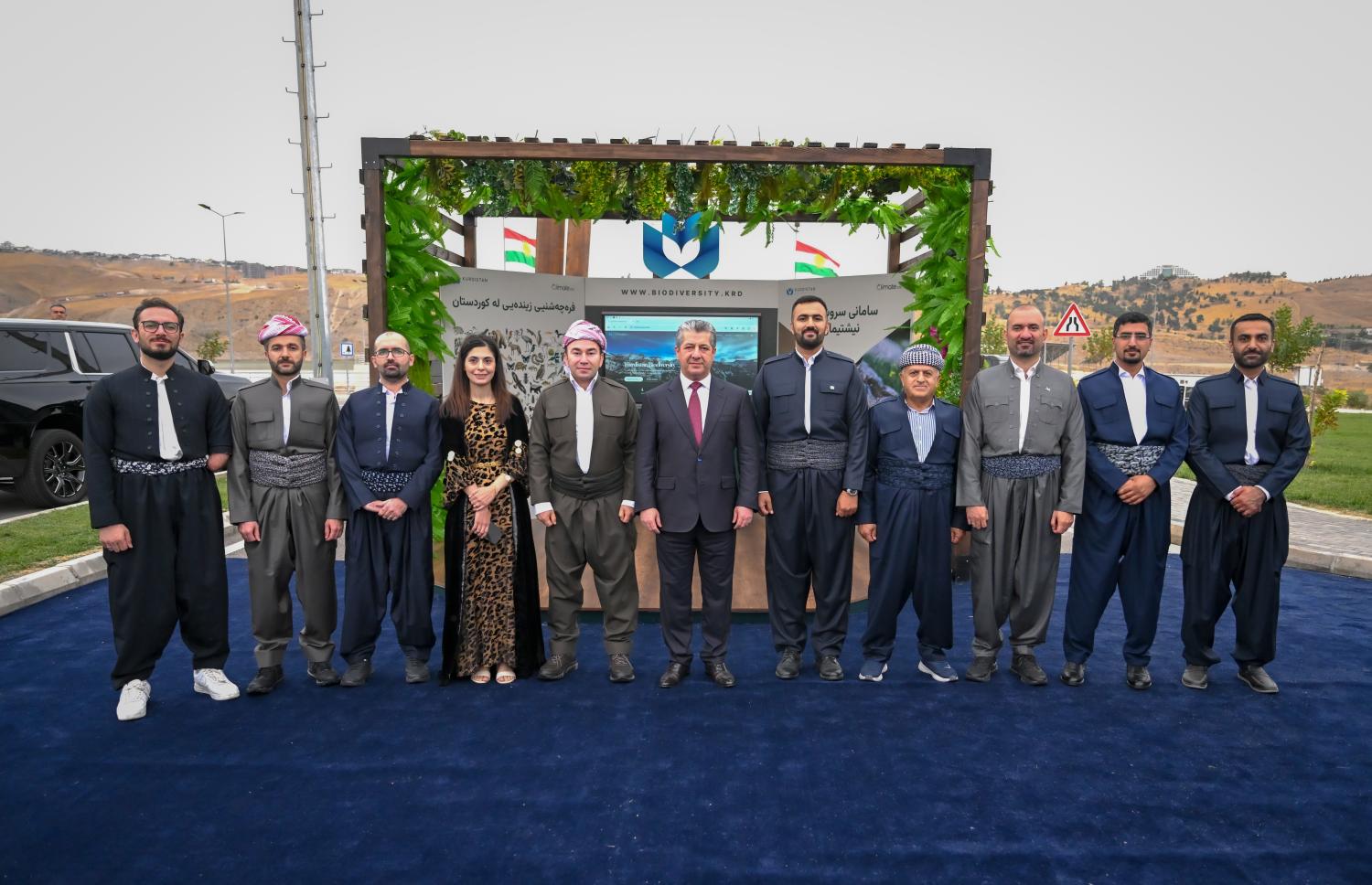
“Since the spring of 1991, most villages and cities have been rebuilt and reconstructed. According to the government’s capabilities, we have served every corner of the Kurdistan Region. We need more preservation and reconstruction,” he said.However, he added that environmental protection is not only the responsibility of the government. “It is everyone’s responsibility and concerns us all. Environmental protection is not only about keeping places clean and protecting forests, trees, and animals.“Especially now, with climate change posing a threat, we should be prepared to overcome these challenges. Here, I would like to ask citizens to contribute in any way they can to help protect biodiversity in Kurdistan,” Prime Minister Barzani concluded.
The current project overview records 2,252 species in the Kurdistan Region, including 1,408 plants and 844 animals, all listed on the project’s website, which is intended to serve as a central data bank for scientifically validated biodiversity information.
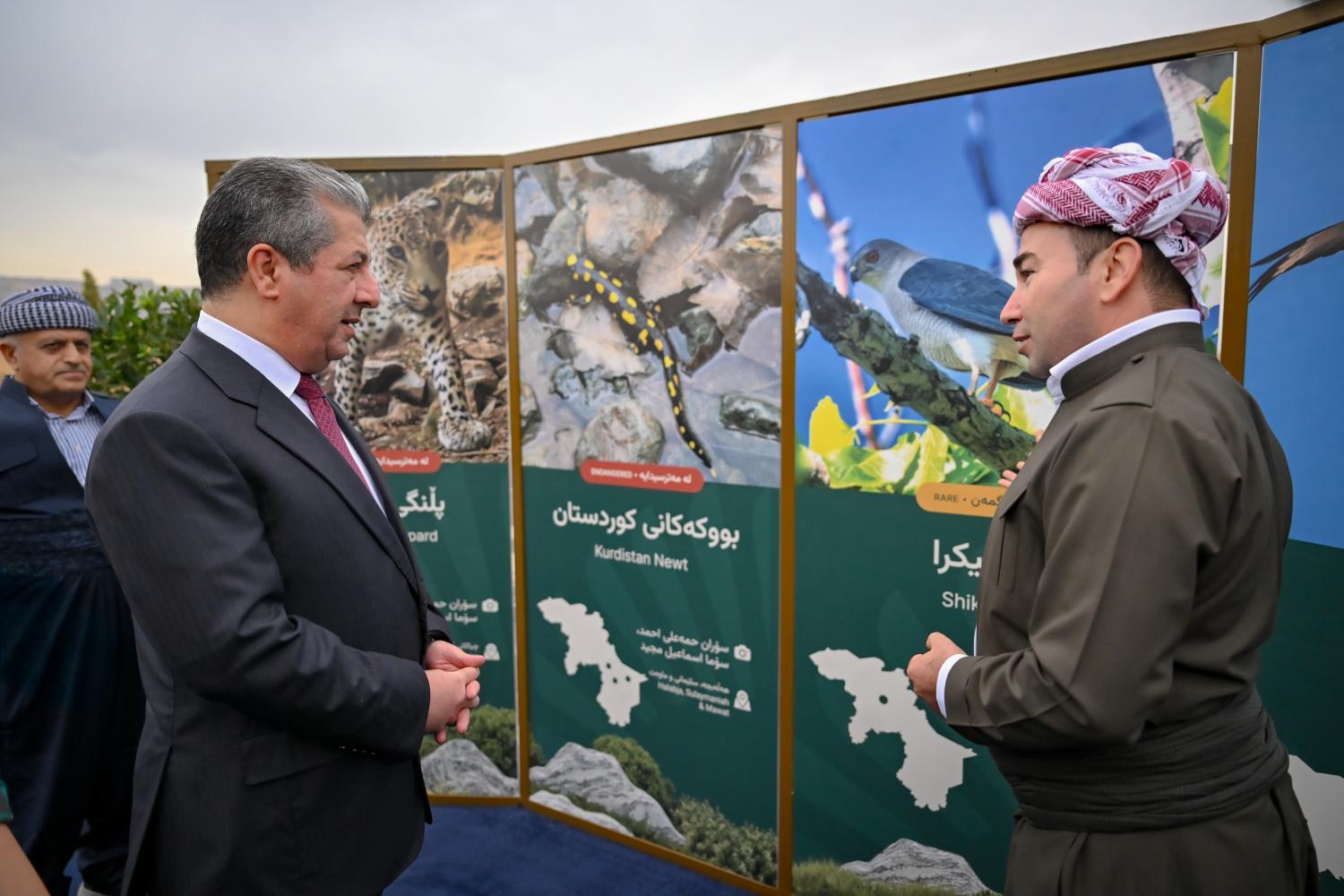
According to Ayub Nuri, project consultant for the Kurdistan Foundation’s Kurdistan Biodiversity Project, the biodiversity of the Kurdistan Region has been ignored for many years and has been impacted by habitat loss, landmines, and all the challenges that the Kurdish people have gone through. “Our wildlife as well suffered the same challenges. The Kurdistan Biodiversity Project has gathered all the data we have on all the region’s animals in one place.
“I gave them this idea and then the first step was to collect all the data. Because some [of the data] was on university shelves, some in people’s homes or laptops, some in remote villages, we needed it all in one place.
“It will be on a website especially designed to serve as a database. Everything is recorded, verified, and stored in that database. This will help the KRG plan better for environmental protection and conservation in the future. The past data will help future planning.”
The implementation of this project brought together a scientific team consisting of eight members, including climate specialists, researchers, and photographers, all of whom were central in gathering, reviewing, and presenting the data.Nuri added that these researchers were the unknown soldiers that risked their lives to document biodiversity.
“They went into landmine fields, they hiked on really difficult terrain and climbed mountains in the snow and rain. They exposed themselves to danger to record this information.”
Soran H. Ahmed, biologist and wildlife researcher at the University of Sulaimani and a key contributor to the project, told Kurdistan Chronicle that the process was dangerous. “I even have a selfie with landmines. This is a normal part of our study area. Usually when you study biodiversity, there are some threats. But we work as a team. We try to protect ourselves from those threats.“The wildlife are completely safe if you know how to treat them. A species like a leopard is a shy species and tries to hide from you and never attacks you. But if you corner it or try to hurt them or their cubs, they may retaliate.”
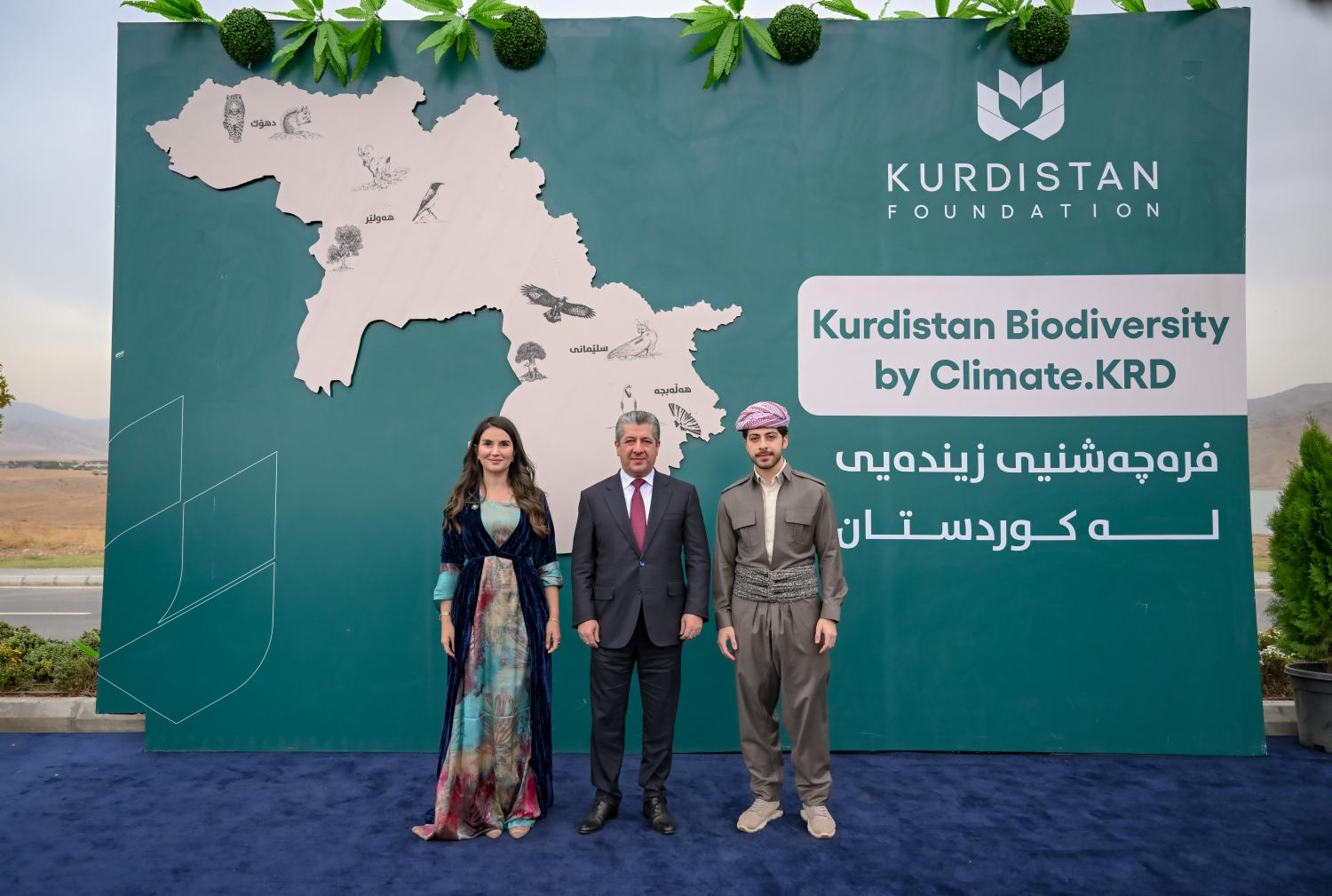
The Kurdistan Foundation’s projects aim to use biodiversity information to support research, education, public awareness, and the protection of the natural environment.“This is a very important project for the Kurdistan Region because now with one click you can see which species are present in each area of the Kurdistan Region, learn more about them, and develop suitable plans for protecting them.”Ahmed was also involved in writing a book with Soma Majeed on mammal life in the Kurdistan Region.“This is the first book written on mammals [in the Kurdistan Region]. It discusses 60 species of mammals,” he said. “For each species we provided multiple high quality photos for identifying them, for researchers or young people who want to work in this field.”
The Kurdistan Foundation’s Kurdistan Biodiversity Project is a generational project and one of several initiatives the foundation has launched over the past two years that it will continue to develop.Nuri also stated that, for the last six months, eight to ten world-renowned researchers were involved in this project. “This is only step one of this project. Step two is to recruit more researchers to do more detailed research about every species that we have in the Kurdistan Region,”
A seasoned reporter and analyst who specializes in Kurdish affairs.