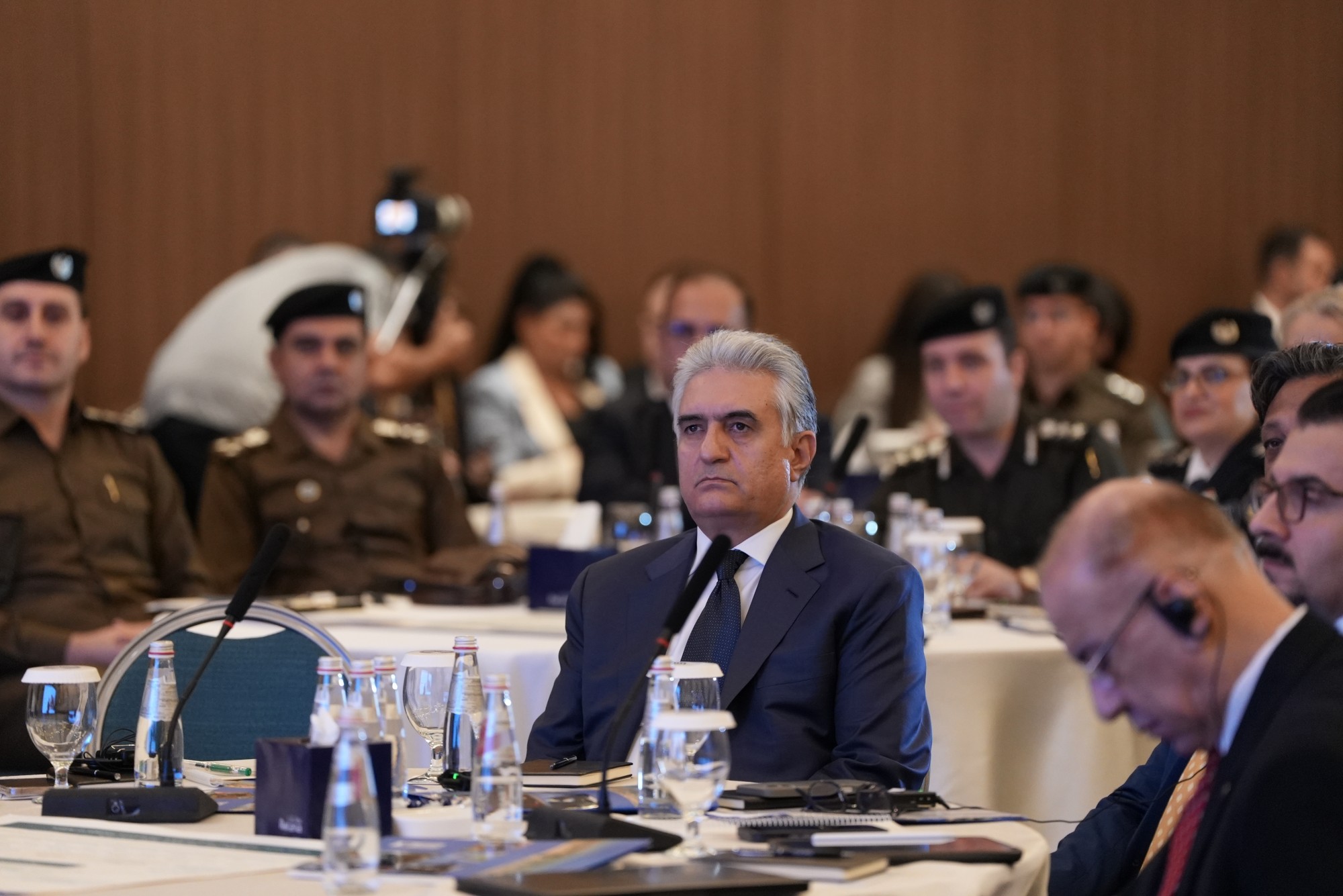
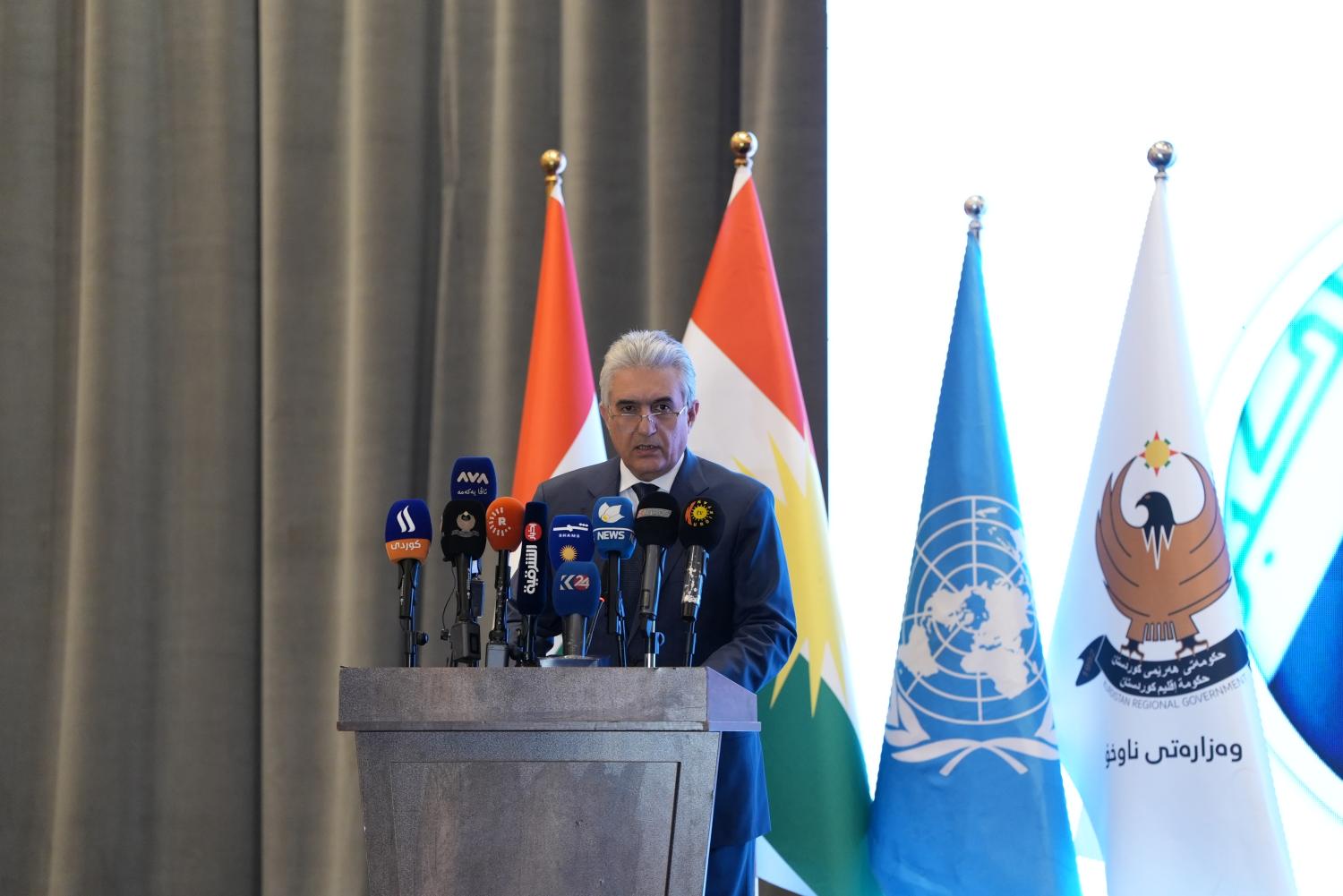
ng a workshop on the implementation of police reform on Tuesday, Kurdistan Regional Government (KRG) Interior Minister Reber Ahmed told reporters that they want to reform Kurdistan’s police force to meet the needs and challenges of the modern era.“The Kurdistan police are at a very high level and have an excellent reputation. We want to bring the police up to a level that meets the needs and challenges of the modern era, taking into account the advances that have been made in technology and artificial intelligence,” he said, speaking at a workshop organized by the KRG Ministry of Interior and the UN Development Program on the implementation of the Police Reform Strategy 2026–2030.Read More: EUAM Iraq Head Reviews Police Reform Progress in Kurdistan“The reform itself draws its importance from the KRG’s comprehensive reform program, which Prime Minister Masrour Barzani placed at the forefront of the government’s work from the very beginning of his cabinet,” Minister Ahmed said.
Moreover, he said that the Police Reform Strategy 2026–2030 will enable the KRG to turn plans and strategies into projects and programs at the police directorate and general directorate levels.
“We want to make changes to the training curriculum,” he explained. “One of the main areas we have identified for reform is the police colleges. We want to change their name to police academies, because we want to provide police officers with a scientific education, not just legal training. Modern science and technology should be taught at police academies, not only to officers. All authorized personnel, and even certain ranks within the police, need to receive specialized courses so that we can raise their standards and capabilities.
“At the same time, we want to address the various types of police operating on our streets, including traffic police, local police, forest police, environmental police, and electricity police.
“We want to establish a unified sectoral structure in each governorate, so that all these tasks are carried out within a single sector.”He added that in many developed countries, various police responsibilities are handled in one place. However, differences in implementation methods, guidelines, and laws are taken into account, while each team is still able to perform the same duties.
“For example, if a theft takes place in the Kurdistan Region and a traffic police officer is present, that officer does not have the authority to deal with the thief. Similarly, if a traffic violation occurs and a local police team is present, that team does not have the authority to deal with the violation.
“We want to grant these units the necessary powers and introduce changes that meet the needs of the public while improving the overall capabilities of the police,” he concluded.
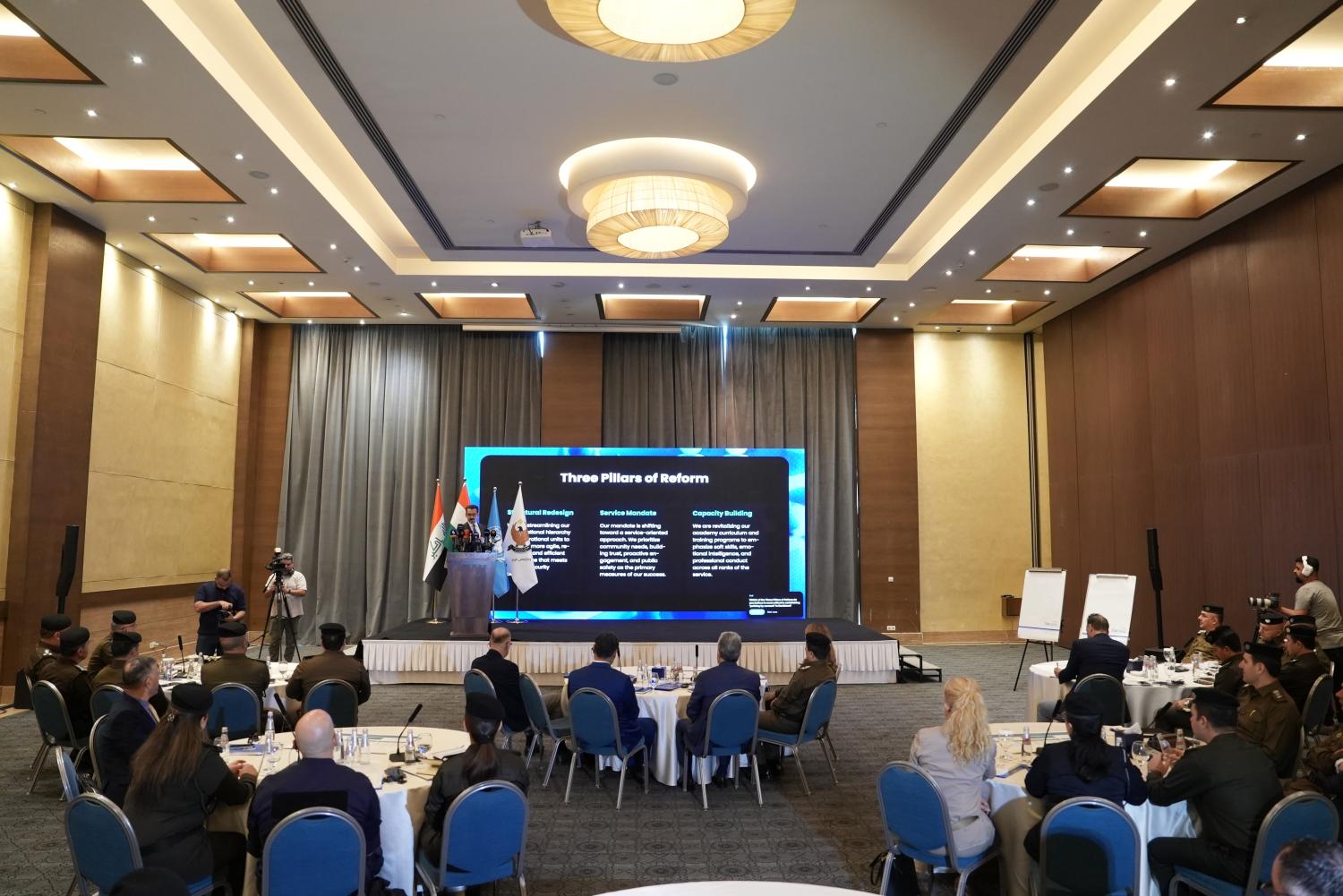
Speaking at the workshop, Hemin Mirani, Director General of the Diwan of the KRG Ministry of Interior, underlined that the KRG is working to streamline organizational hierarchy operation units to create a more agile and efficient force and meet security needs. “Our mandate is shifting toward a service orientated approach. We prioritize community needs, building trust, proactive engagement, and public safety as primary measures of our success.“We are reiterating our academy curriculum and training programs to emphasize soft skills, emotional intelligence, and professional conduct across all ranks of the service.The role of the police is to serve the people and earn their trust.”
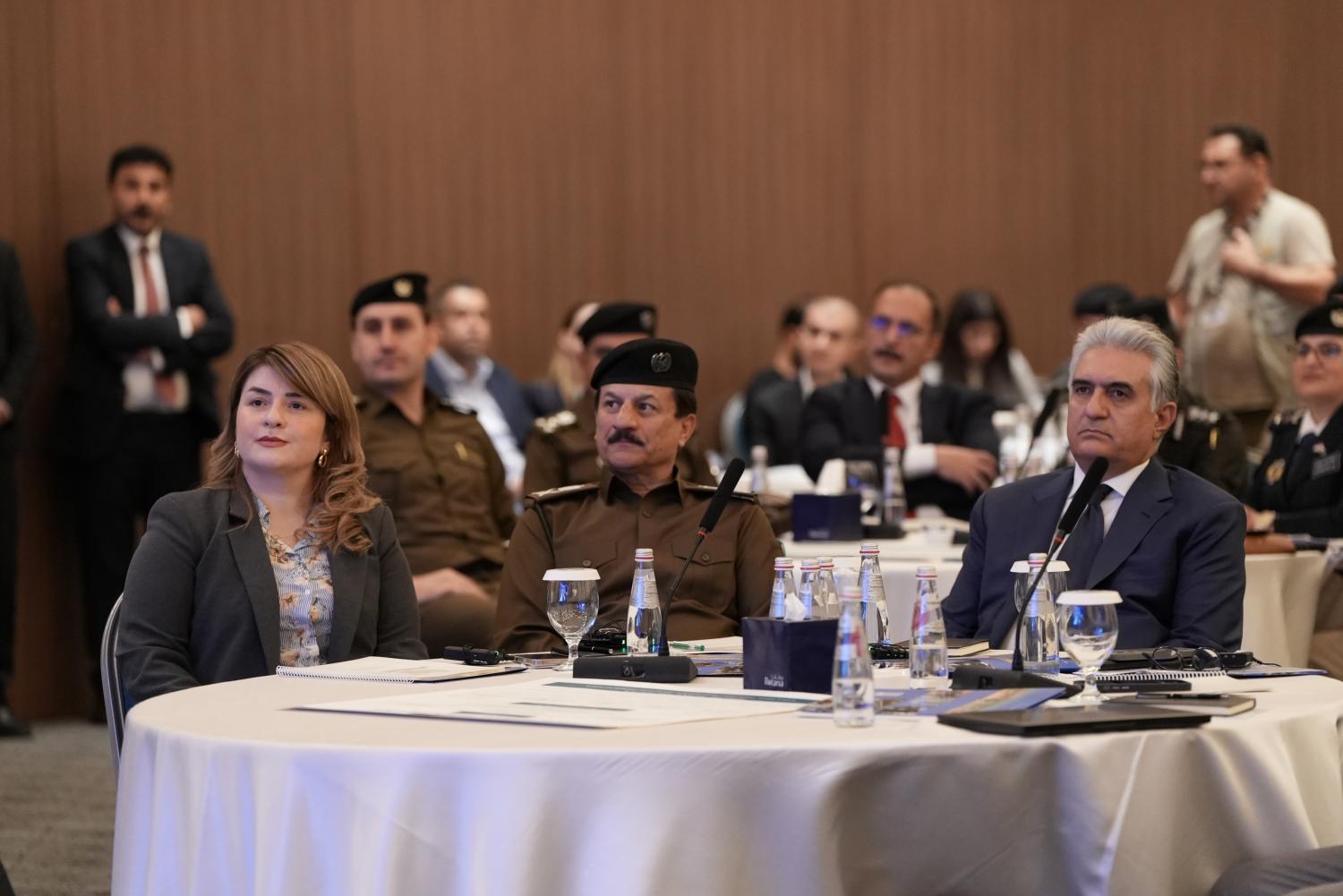
He also emphasized that “police chiefs at every station must ensure they maintain good relations with the public. If people do not trust the police, they will be less willing to share information or speak openly about the problems they face.”Furthermore, Mirani added that they are working to increase the number of female officers. “As the minister mentioned, participation is not just about increasing numbers, but also about bringing new perspectives.“Studies have shown that women investigators are more successful than male investigators in many areas. Women can build stronger relationships with the community and are less likely to rely on hard power … That is why we need to ensure a greater proportion of women in our workforce.”Read More: Kurdistan Region Sets Next Steps for Police Reform
In late August, senior police leaders in the Kurdistan Region concluded a three-day workshop on implementing the Kurdistan Police Reform Strategy 2026–2030, with support from the EU Advisory Mission in Iraq, the European police advisory mission. They identified five priorities for police reform: modernizing police stations, redefining the role of police academies, organizing and integrating directorates, establishing a police leadership program, and overhauling the existing system for government protection units.
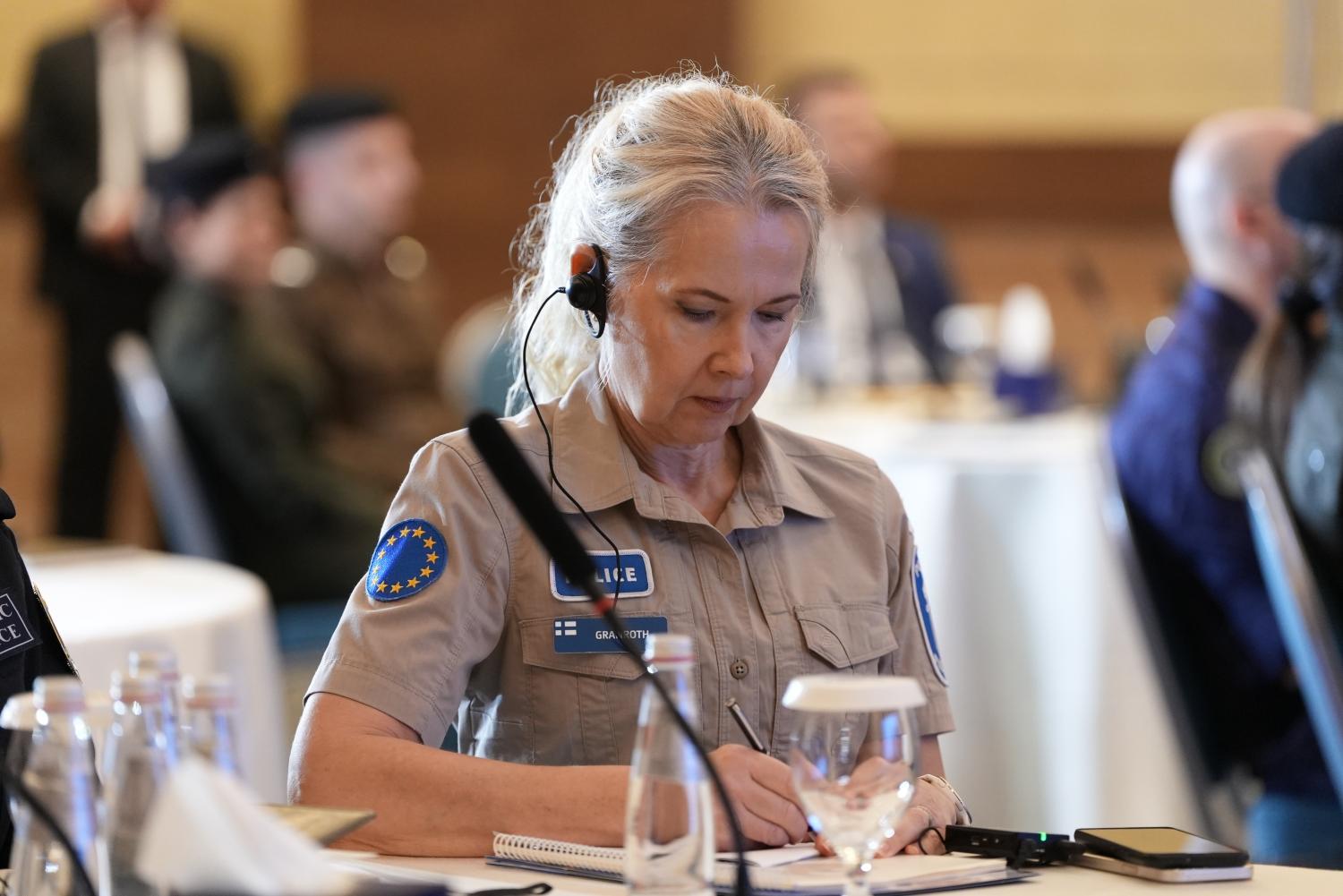
The workshop also included presentations by European police officers.
A seasoned reporter and analyst who specializes in Kurdish affairs.