The National Defense Authorization Act (NDAA) for the Fiscal Year 2026, the annual U.S. law that authorizes defense spending and sets national security policy priorities, marks an important moment in U.S. policy toward Iraq and the Kurdistan Region. This legislation reflects a partnership built over years of close cooperation and shared sacrifice, grounded in common interests in security, stability, and the rule of law.
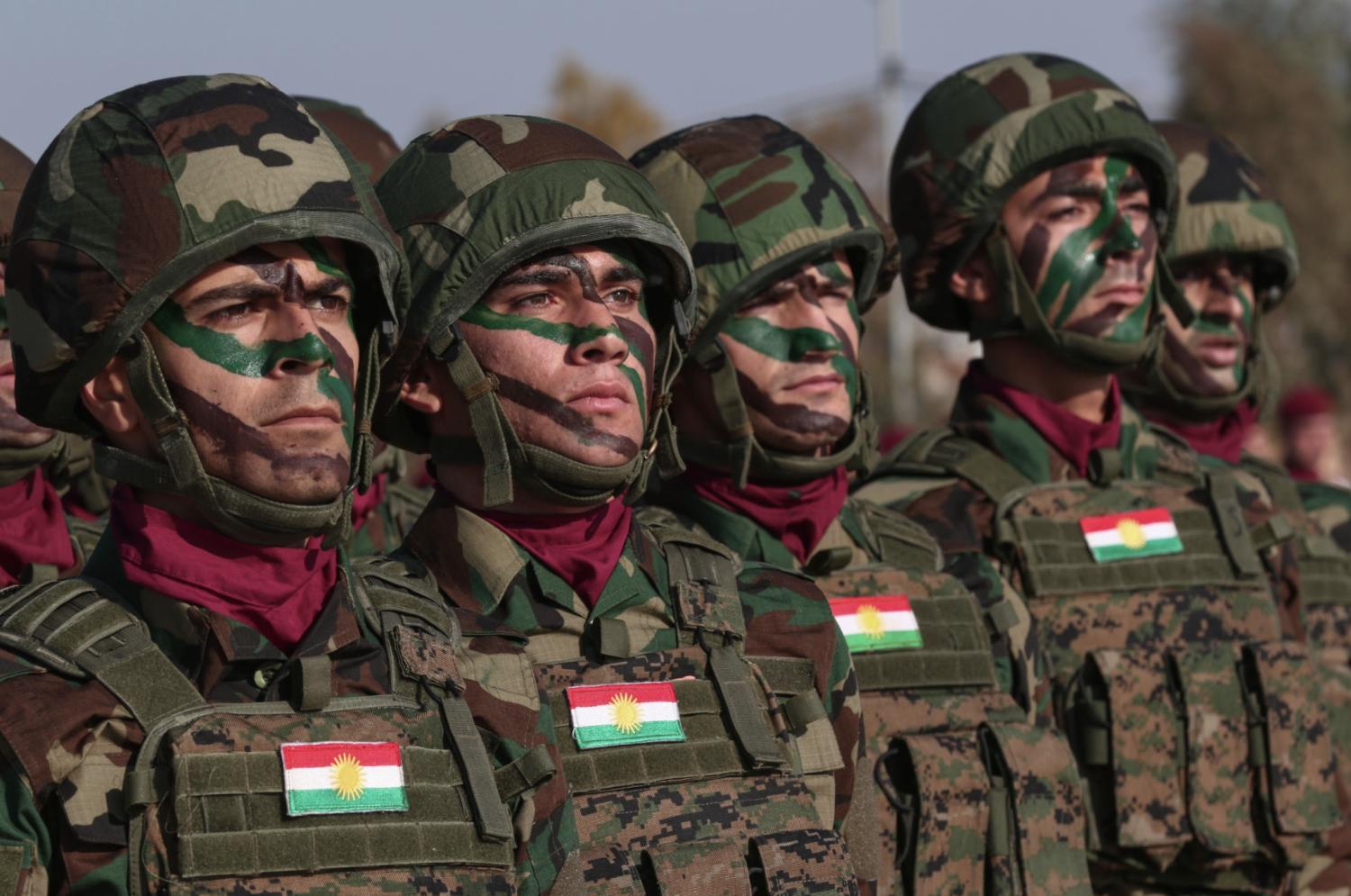
For decades, the Kurdistan Region stood on the front lines against terrorism. Kurdish Peshmerga forces paid a heavy price in the fight against ISIS, liberating communities and regaining territory. As the NDAA for the fiscal year 2026 takes effect, it sends a clear message that the United States recognizes and values the capable, professional Peshmerga forces as an integral part of Iraq’s broader security framework. The bill directs robust support for the Kurdistan Region’s Ministry of Peshmerga Affairs, including funding for equipment, training, and long-term capability building. It also requires the Pentagon to lay out a comprehensive strategy to help build lasting and sustainable military capacity, in coordination with both Baghdad and Erbil. This is not just assistance for the present fight against terrorism; it is an investment in future readiness and deterrence.
After the drone attacks on the Khor Mor gas field – the Kurdistan Region’s largest gas field – on November 26, Congress included measures addressing attacks on critical infrastructure and threats by non-state actors. Too often in recent years, militant groups operating outside formal command structures have targeted U.S. personnel and assets, undermined economic growth, and destabilized communities.
The NDAA links continued U.S. security cooperation to measurable steps taken by the Iraqi government to rein in these groups, including a certification process intended to demonstrate progress in disarming, demobilizing, and reintegrating militias outside the Iraqi Security Forces under a publicly verifiable framework. It ties the release of a significant portion of Iraq’s security funding to strengthening the authority of the prime minister and holding destabilizing actors accountable.
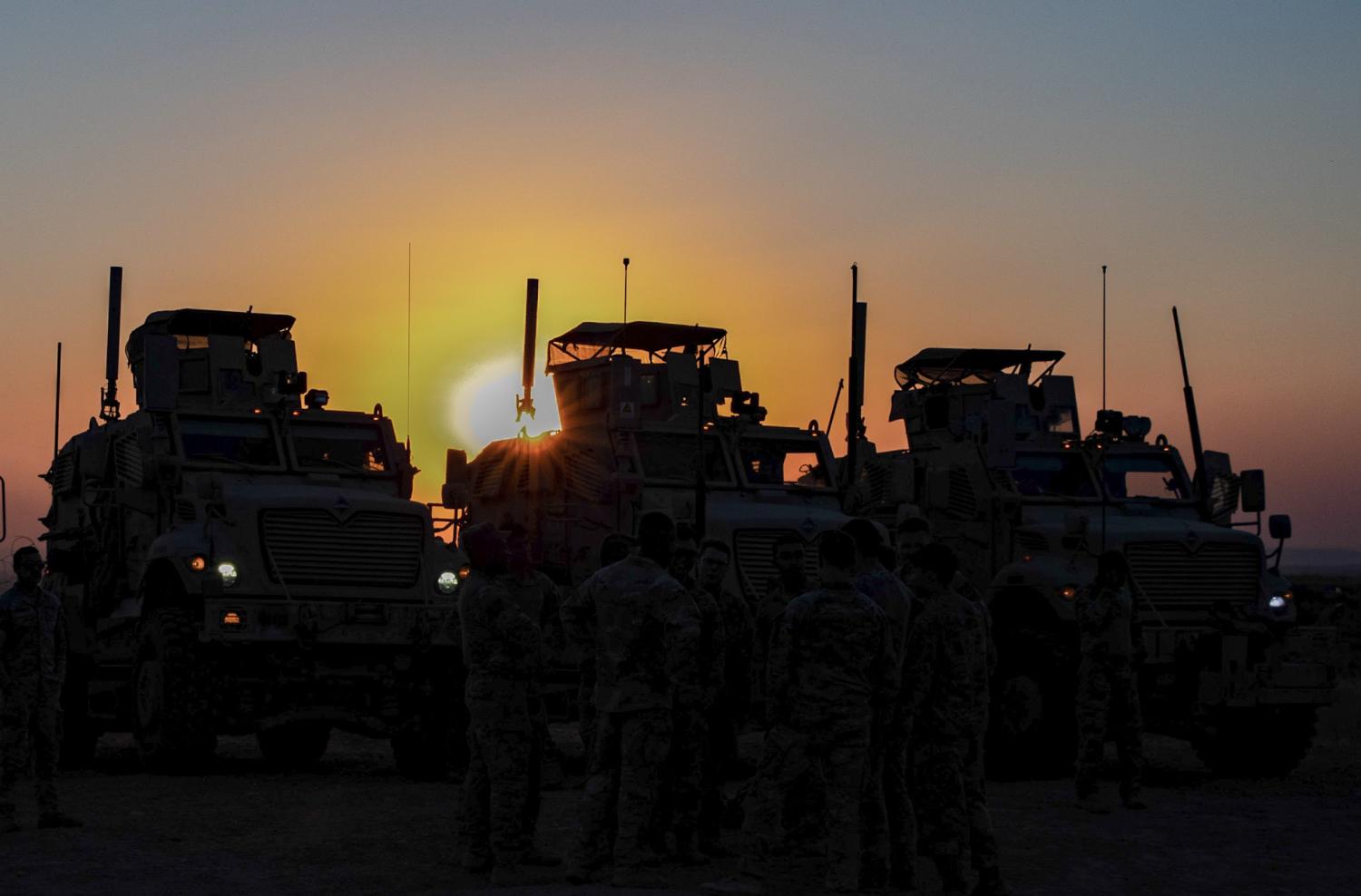
Unlike in previous years, this year’s NDAA marks a clear move away from open-ended assistance toward support that is tied to accountability and results. It reflects a bipartisan understanding in Washington that sustainable security in Iraq cannot be achieved while armed groups operate with impunity within its borders. This approach is consistent with U.S. President Donald Trump’s foreign policy strategy of backing capable partners, demanding accountability, and ensuring U.S. security assistance advances stability rather than enabling actors that undermine state authority.
For the Kurdistan Region, we welcome and support this U.S. legislative priority. We share a vision of a sovereign Iraq in which state security institutions operate under clear, lawful command and violence is no longer used as a political tool by armed factions operating outside the control of the state. The Peshmerga will continue to play a stabilizing role for the region. Their inclusion in the NDAA, alongside Iraqi forces, affirms their central role in combating terrorism and protecting civilians.
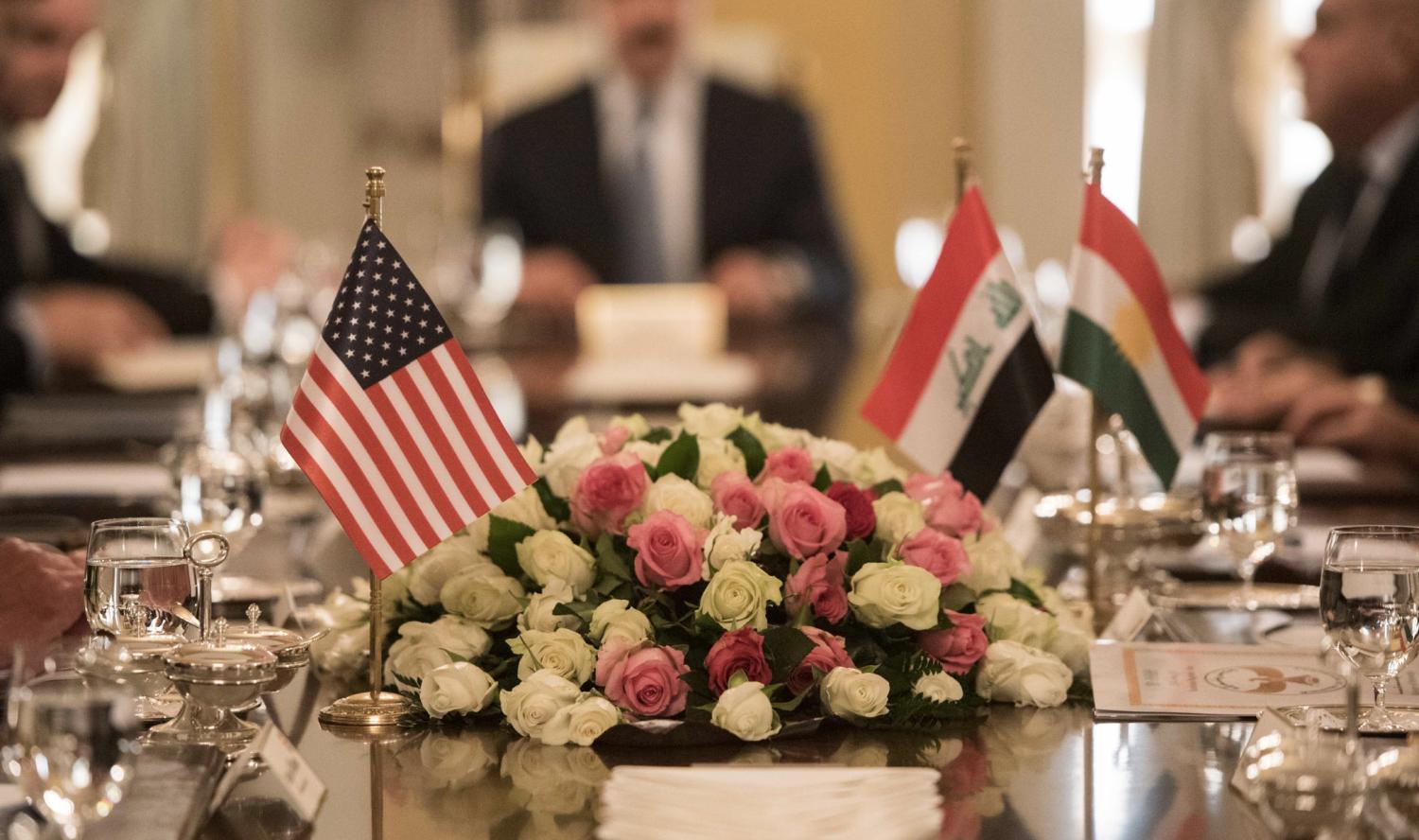
Finally, this legislation underscores the continuing importance of U.S. engagement in the region. Investments in capacity building, intelligence sharing, and joint planning help deter extremist and non-state actors.
The 2026 NDAA reinforces America’s commitments in Iraq and the Kurdistan Region. For Erbil, it brings affirmation of shared sacrifices and shared goals. For Baghdad, it underscores the imperative of consolidated, accountable security governance. And for the people whose lives have been shaped by years of conflict, it offers a path toward stability grounded in strength and mutual respect.
As the provisions of the 2026 NDAA are implemented in the months ahead, the real test will be in delivery – in training, equipping, coordinating, and holding all actors to the highest standards of professionalism and accountability.
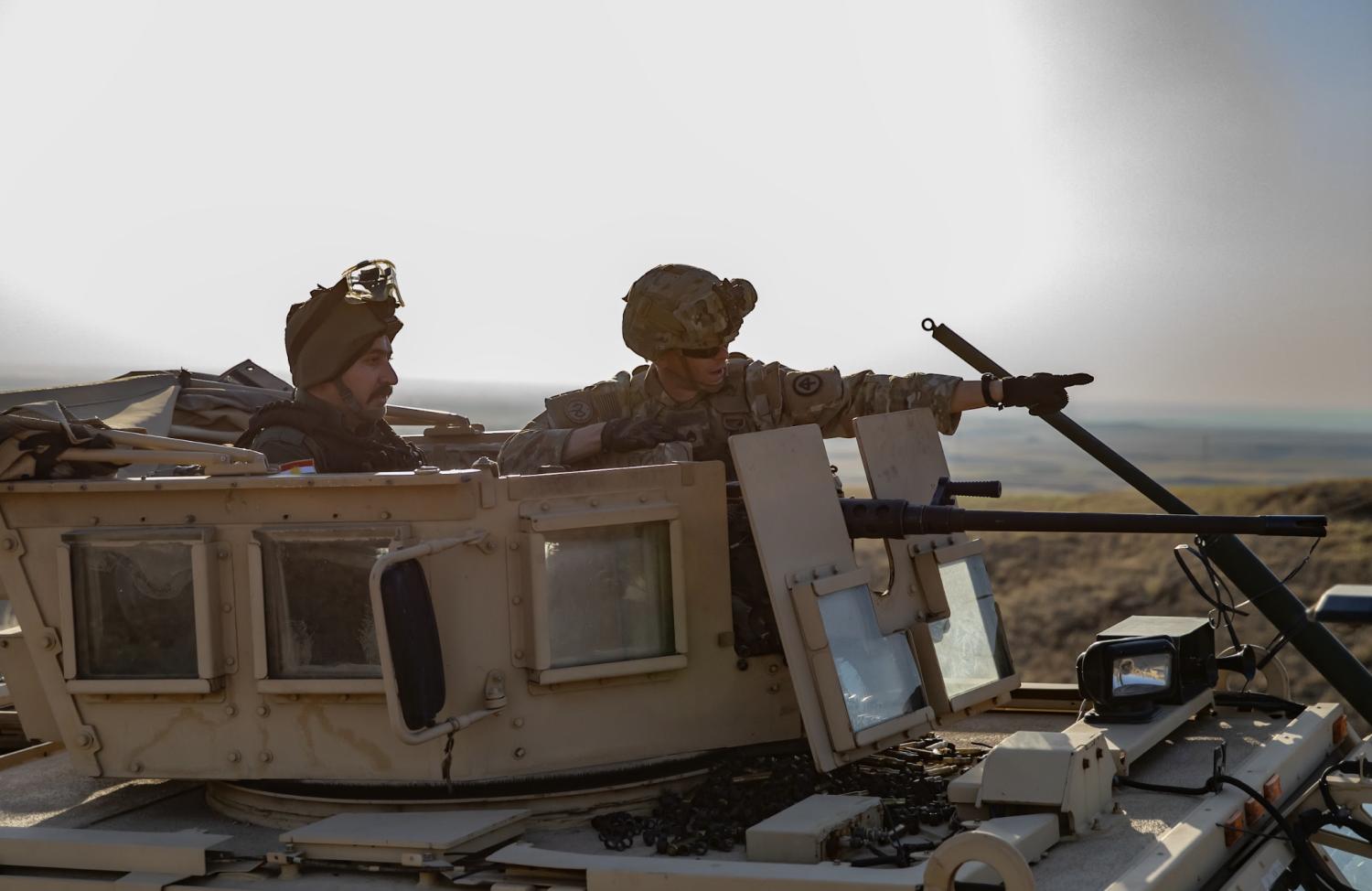
In this spirit, I extend my sincere gratitude to the U.S. government, the U.S. Congress, and the American people for their enduring partnership with, and invaluable assistance to, the Kurdistan Region. The United States has stood with us in times of danger and rebuilding, guided by shared values of freedom, dignity, and security. We look forward to building a partnership that safeguards our security and opens new avenues of prosperity between our citizens.
The Kurdistan Regional Government’s Representative to the United States.