With the inauguration of the Ninth Cabinet of the Kurdistan Regional Government (KRG) in 2019, the new administration was immediately tested by a series of serious challenges. The Covid-19 pandemic, budget cuts by Baghdad, plummeting oil prices, and the subsequent blocking of Kurdistan’s oil exports combined to place immense pressure on the Kurdistan Region. A clear vision and strong commitment from the KRG, however, helped the region to navigate these obstacles.
First and foremost, the government focused on enhancing the quality of essential public services, including but not limited to health and education.
Second, it prioritized strengthening economic infrastructure, including public financial inclusion through the My Account banking project, 24/7 electricity provision through the Runaki Project, and digitalization of government services through new user-friendly online platforms.
In addition, the KRG made significant progress on other strategic plans, including dam construction to ensure water security for generations to come, industrial zone establishment to make sure the region can meet its food demand, and agricultural and tourism projects to help diversify its national revenues, freeing it from reliance on oil revenues.
Water security
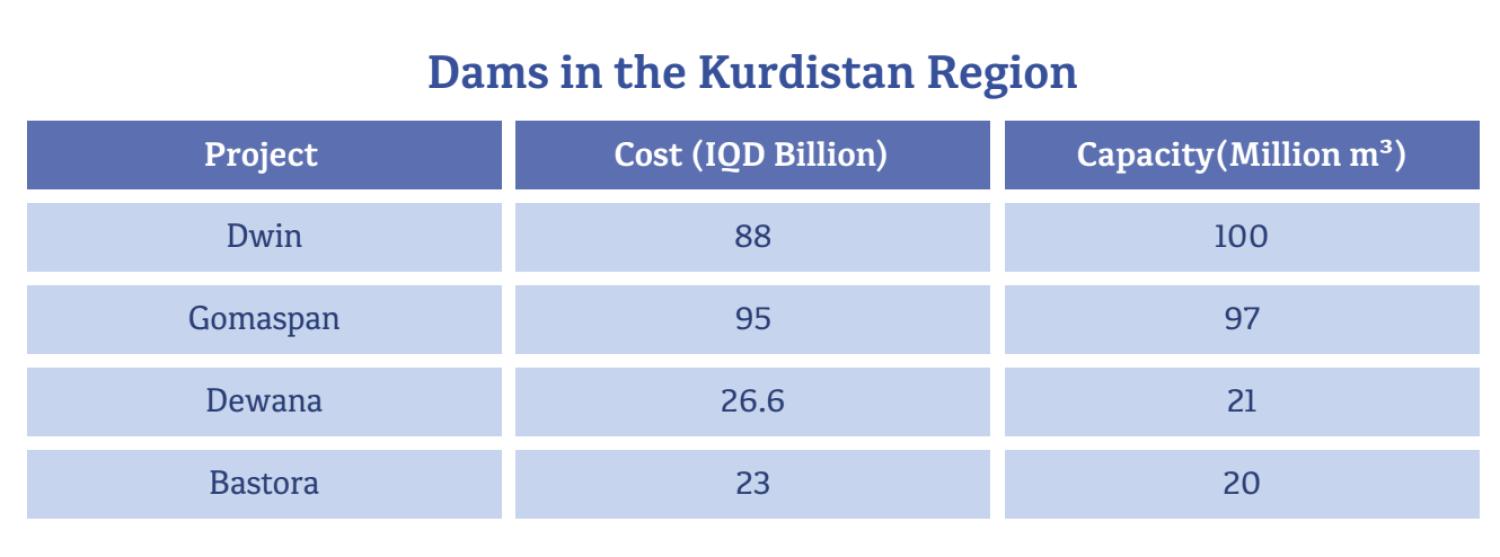
In 2022, Iraq was named one of the top-five countries vulnerable to climate change by the UN. Recognizing the gravity of the situation, the Kurdistan Region has already started implementing strategic projects to address future challenges related to water security. Since the inauguration of the KRG’s Ninth Cabinet under the leadership of Prime Minister Masrour Barzani, a number of large- and medium-sized dams, scores of water ponds, and several water supply and sewage projects have been built.
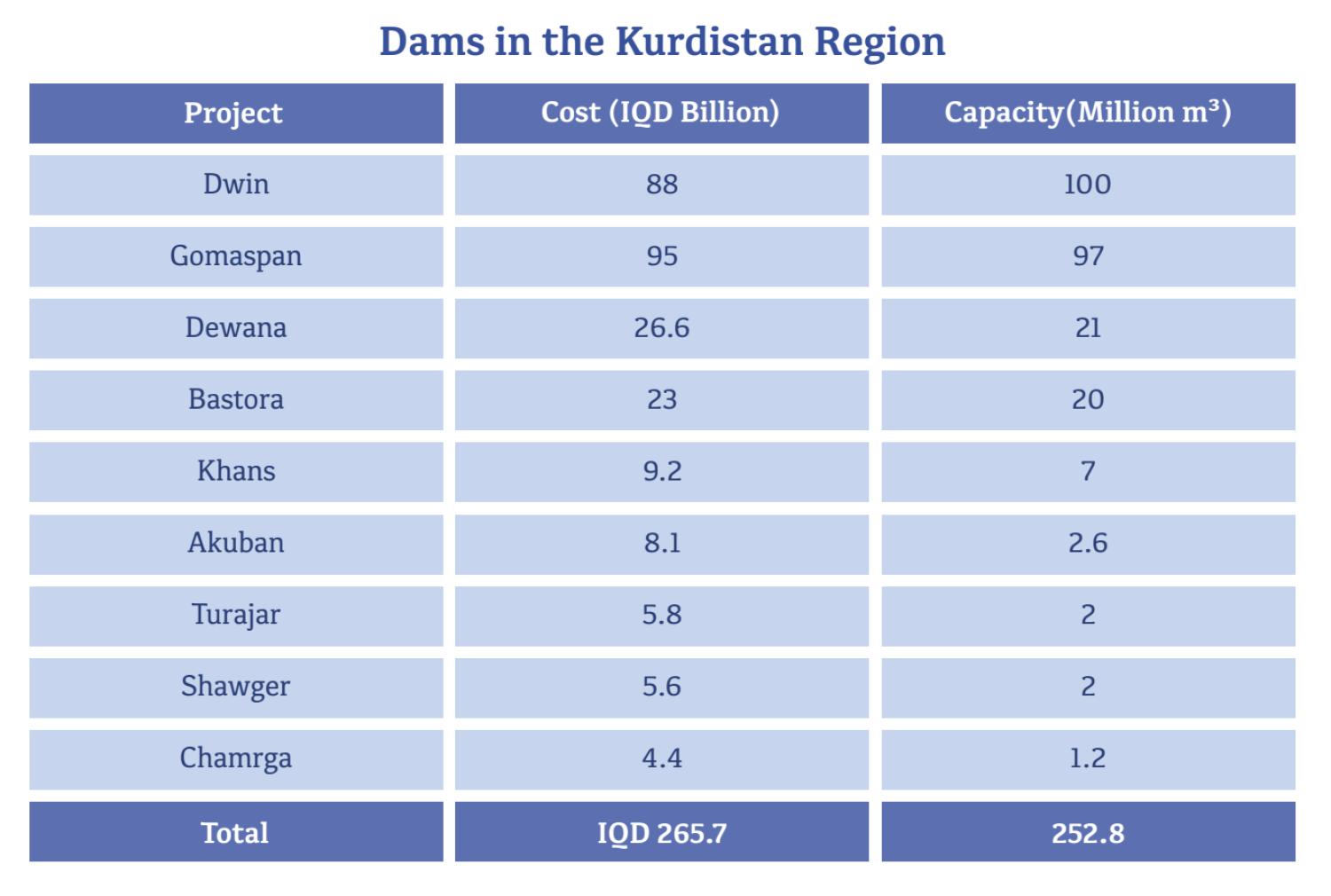
These initiatives aim not only to guarantee safe and clean water for citizens, but also to mitigate drought, boost agricultural productivity, support livestock, and strengthen long-term water infrastructure.
Food security
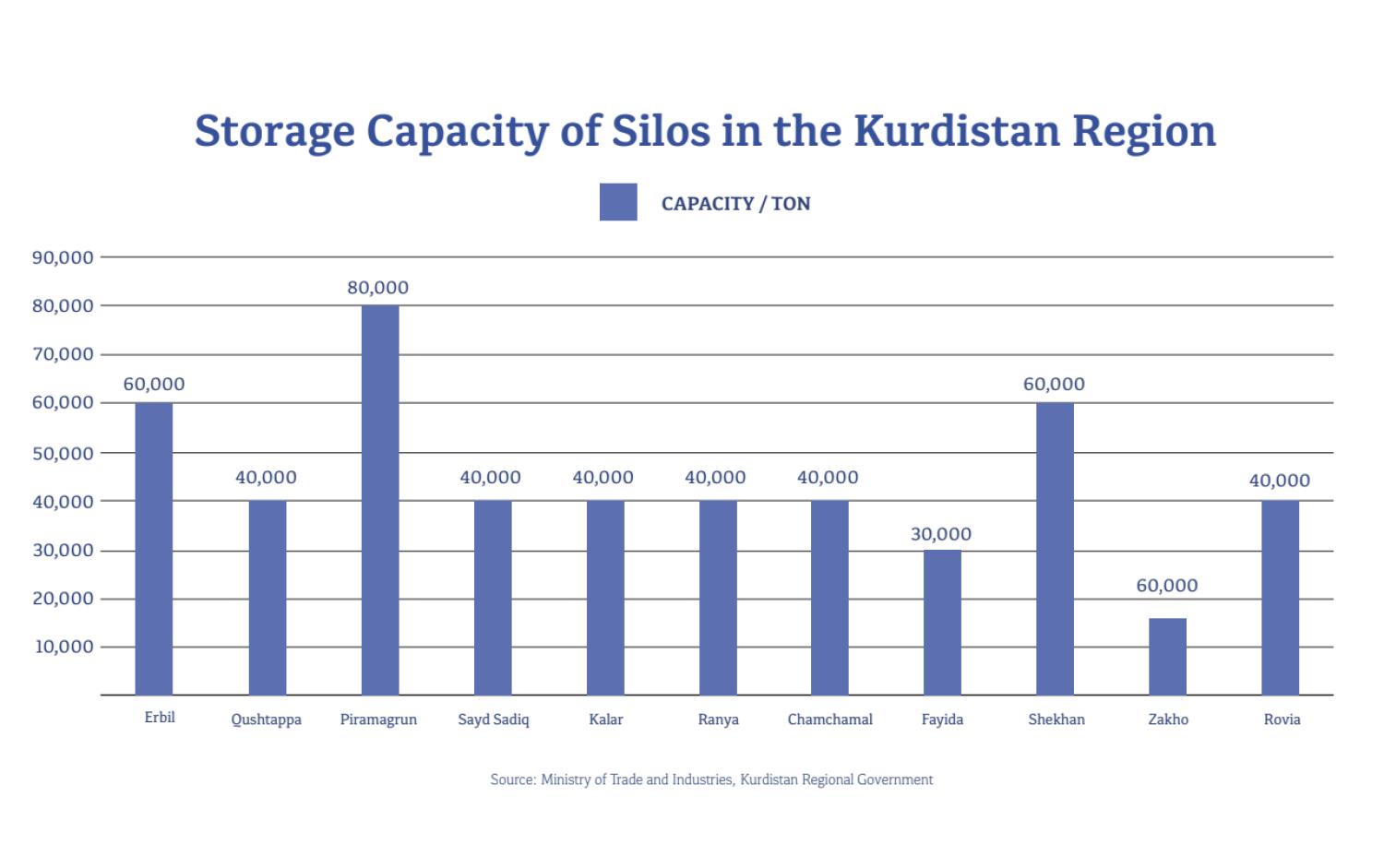
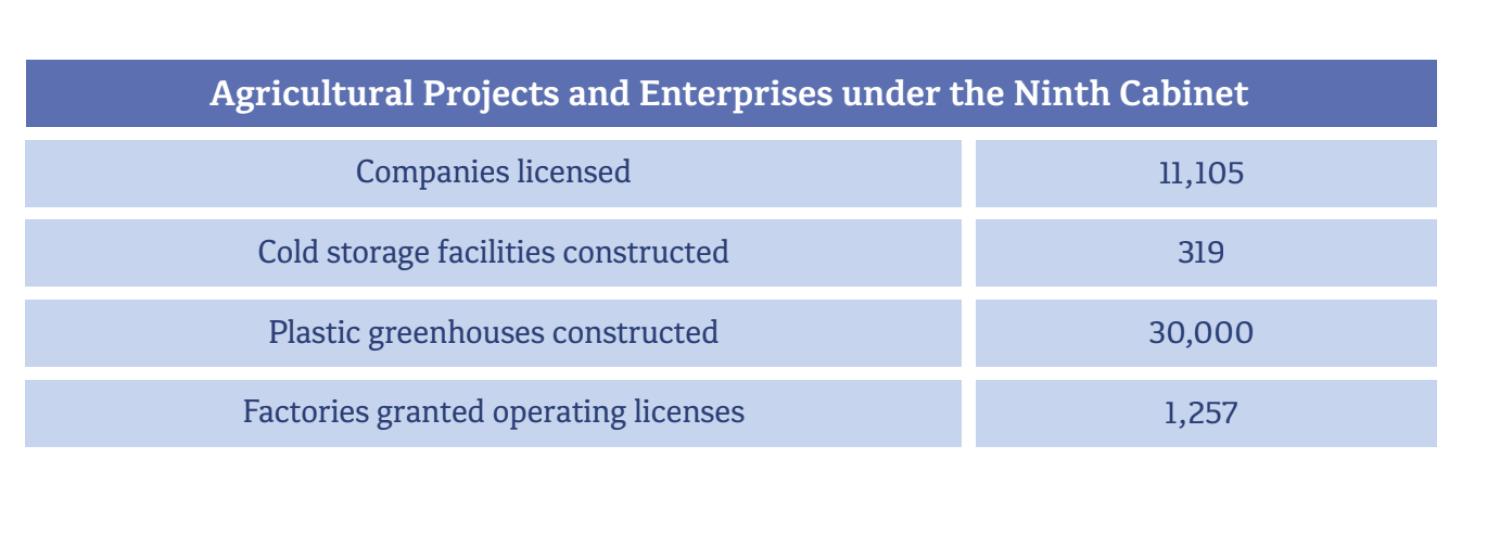
For decades, the Kurdistan Region relied on neighboring countries for its food imports. In recent years and through a comprehensive plan, the KRG worked both to enhance its food security and to become the food basket for the rest of Iraq. This plan went into effect through a series of initiatives, including the construction of silos, factories, licensed companies, plastic greenhouses, and cold storage facilities, all designed to enhance self-sufficiency, stimulate local markets, and support farmers and local producers.
With a stable and secure environment established under the current KRG cabinet, total agricultural investment also grew from 1.8% to 10% of the overall budget. This has significantly increased the region’s export volumes to the central and southern provinces of Iraq, and has, ultimately, bolstered local economies.
It is worth noting that for the first time in the KRG’s history, tens of thousands of tons of Kurdish produce were exported to the Gulf and other international markets. These exports included rice, sumac, tahini, pomegranates, honey, apples, mushrooms, potatoes, and a wide variety of other goods.
Road construction
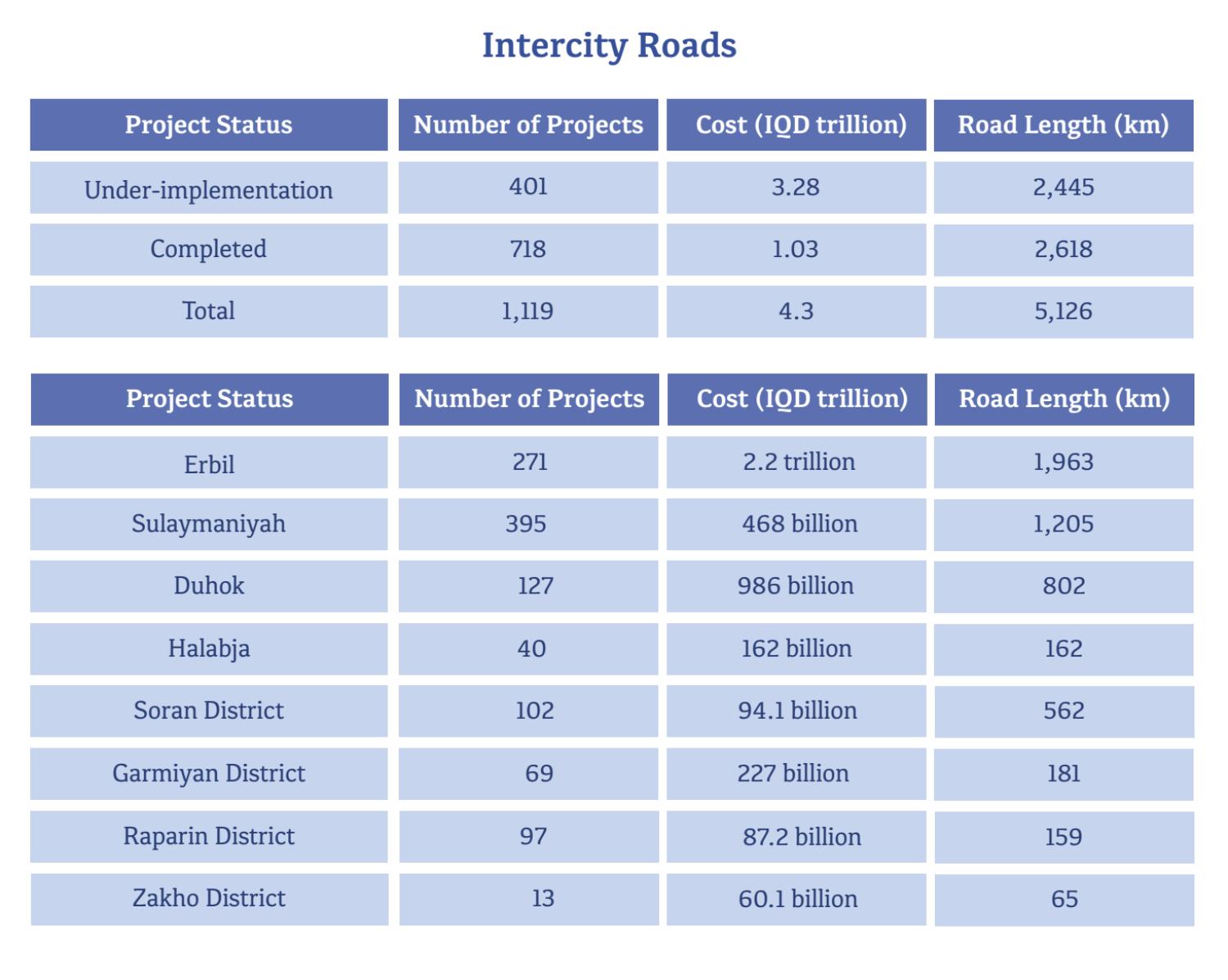
The KRG has recognized that developing projects across multiple sectors and geographies requires a modernized transportation network and improved accessibility. Therefore, it has already begun constructing new highways between major cities, renovating rural roads, and improving city streets.
During the Ninth Cabinet alone, nearly 2,700 kilometers (km) of intercity roads have already been completed, with 2,500 km more currently under construction.
Reforms
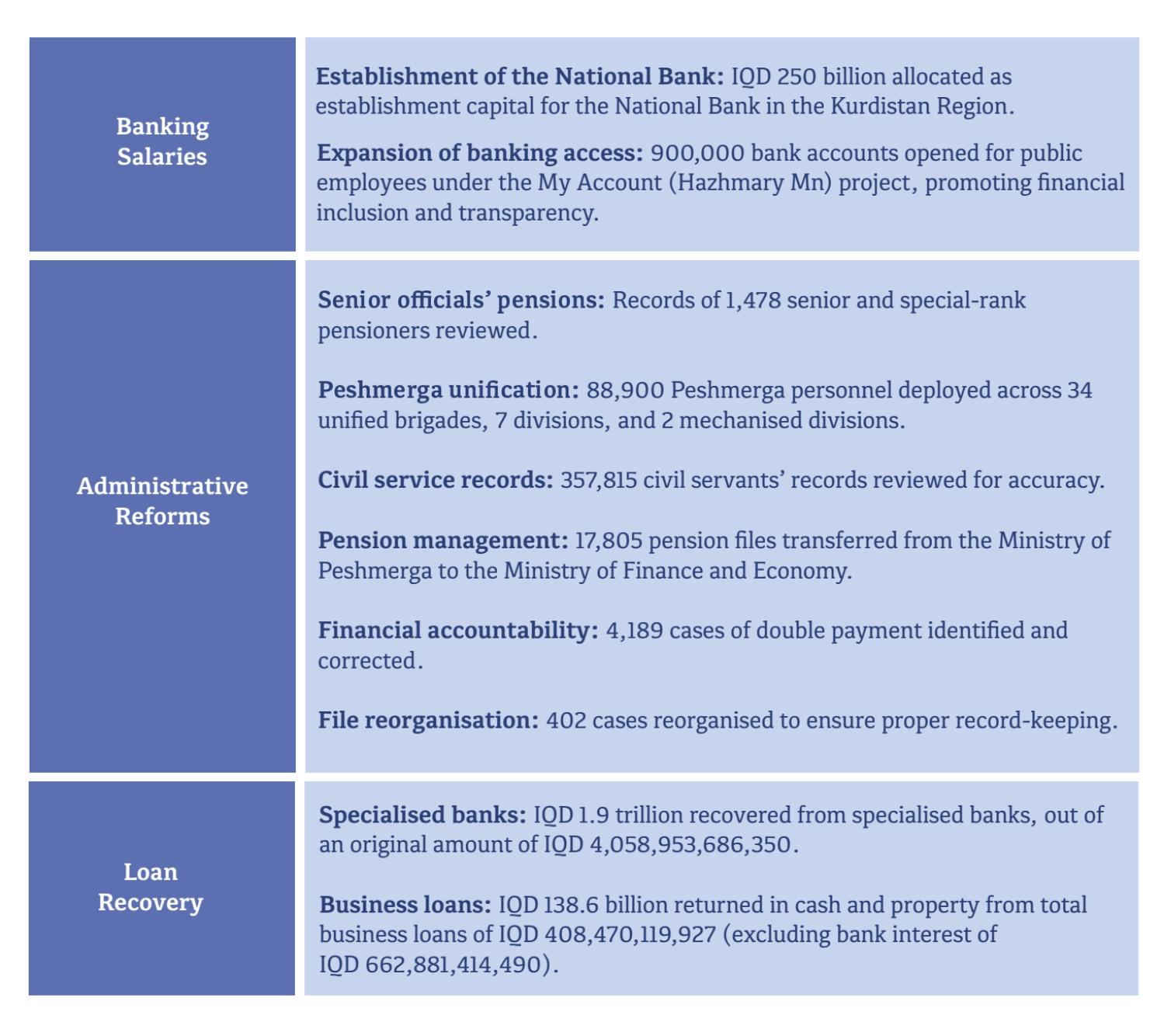
The implementation of the Reform Act, in line with its provisions, has produced significant outcomes across several key areas. Through several landmark projects, the KRG is working to combat corruption, enhance transparency, improve service quality, and strengthen good governance overall.
Uninterrupted electricity
For over three decades, electricity provision was a major challenge for the Kurdistan Region. However, the Ninth Cabinet’s strong commitment to improving access to power has finally resulted in the end of long hours of blackouts or the use of diesel generators, which contributed significantly to air pollution.
During its tenure, the KRG constructed numerous power stations, alongside the development of clean energy and solar projects, all to provide citizens with reliable 24-hour electricity access.
As a result of these initiatives, electricity generation has increased by 1,840 megawatts (MW), raising the Kurdistan Region’s total capacity to 4,200 MW.
Within this sector, the most ambitious and strategic initiative was undoubtedly the Runaki (Light) Project. As part of this major initiative, over 4.5 million citizens across nearly 400 neighborhoods now enjoy 24-hour electricity, including more than 116,000 businesses that rely on continuous power to run their operations smoothly.
Before its implementation, neighborhoods relied heavily on thousands of private generators, notorious for both noise and toxic emissions. At present, more than 3,700 diesel generators have been phased out, significantly reducing their carbon footprint.
Investment
The Kurdistan Region is renowned as one of the safest spots in the Middle East. The people are also renowned for their deep-rooted culture of hospitality. Coupled with a favorable legal framework, the Kurdistan Region is emerging as an investment hub with a high potential for local and international businesses.
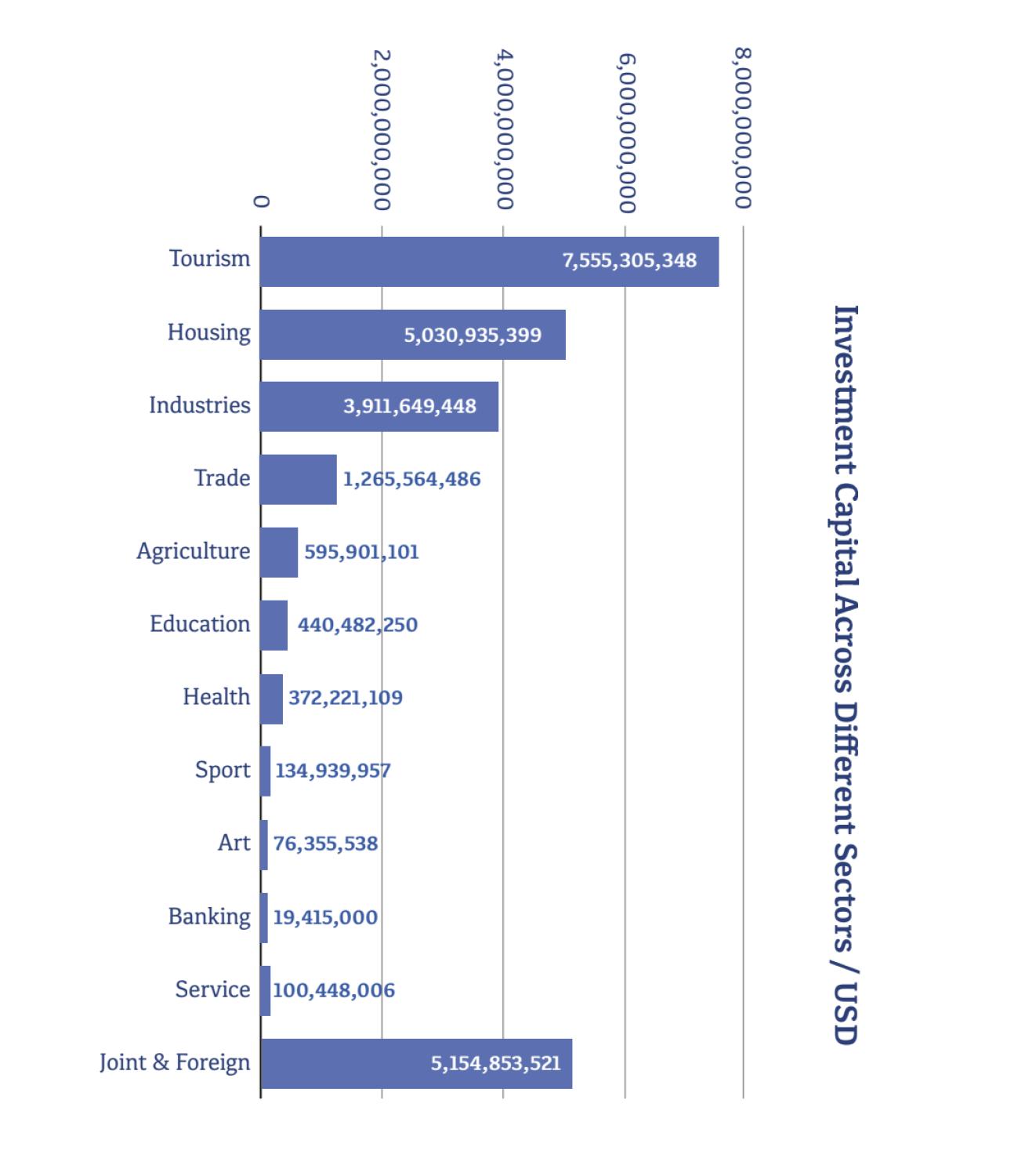
Since 2019 and with the backing of the KRG’s Ninth Cabinet, $24 billion has been invested across various sectors. According to official statistics, the largest portion of this capital has gone to tourism, housing, industries, and trade.
Kurdistan Chronicle is a monthly English-language magazine based in the Kurdistan Region of Iraq