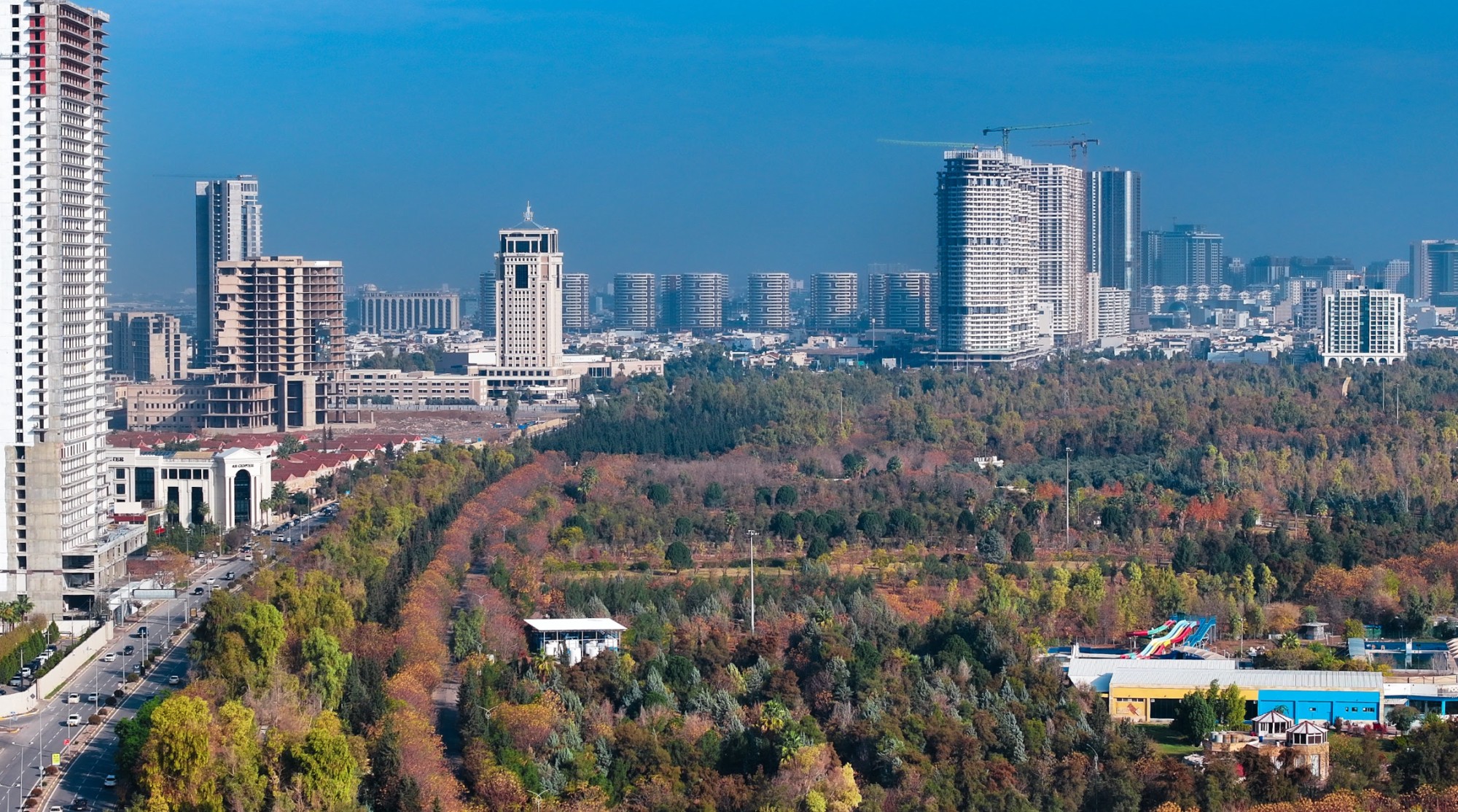
For decades, Erbil has struggled with obsolete wastewater infrastructure and the challenges of upgrading it due to the city’s flat topography.
But as the saying goes, where there’s a will, there’s a way.
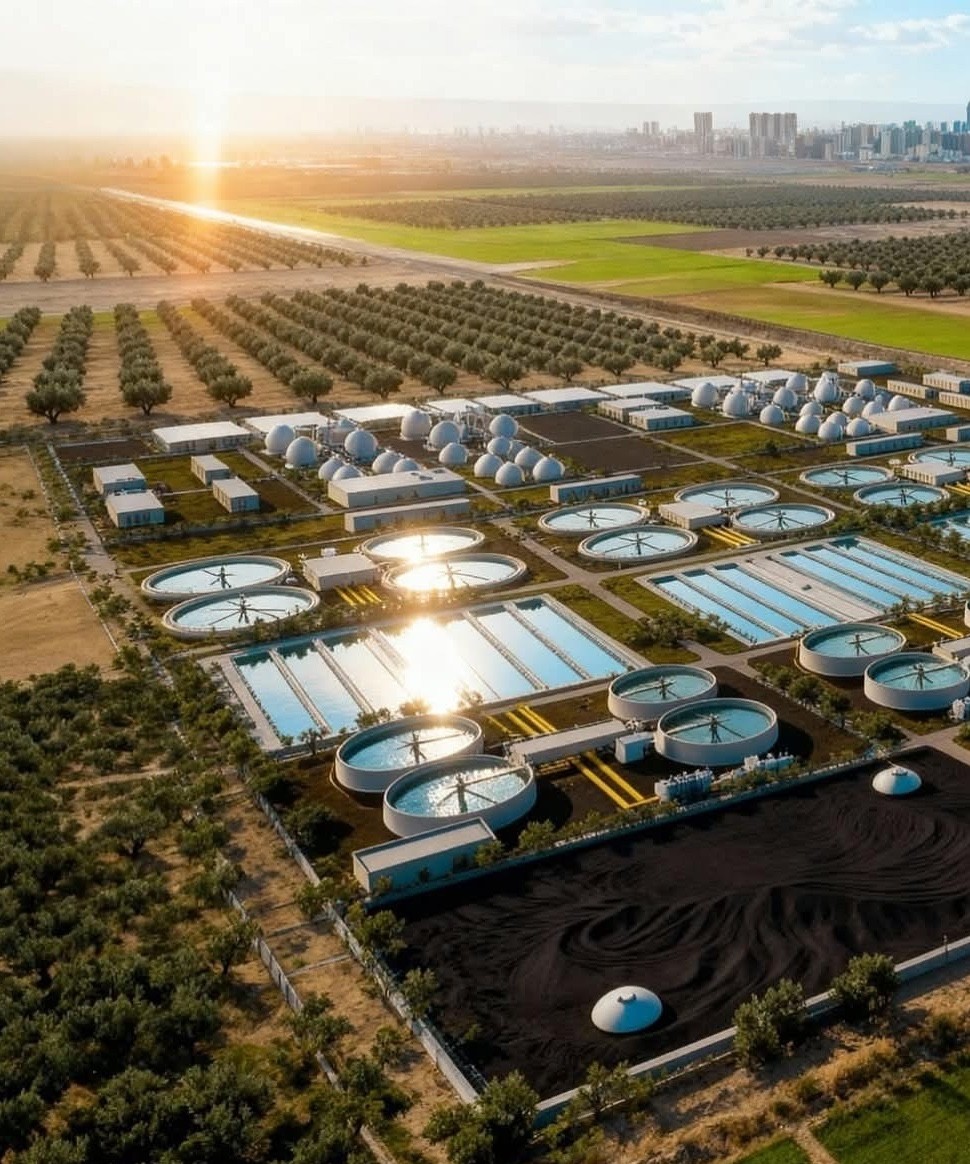
On November 17, 2025, the Kurdistan Regional Government (KRG) announced a $579 million wastewater treatment plant that is expected to address the city’s sewage-related challenges for the next 30 years.
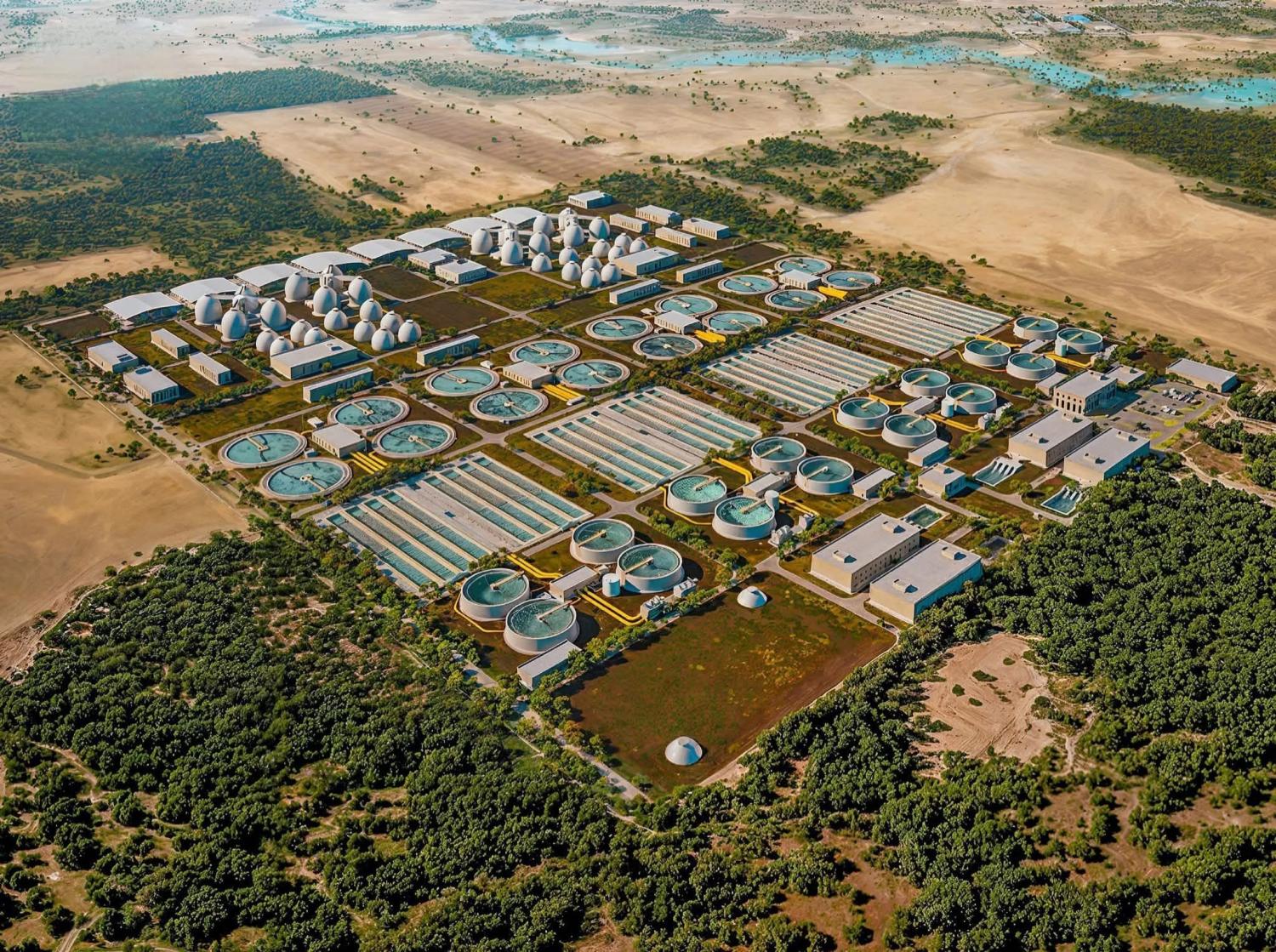
This ambitious initiative represents one of the largest investments in Erbil’s environmental infrastructure to date.
“Today, we lay the foundation stone for another important project in Erbil – a modern plant to treat wastewater and protect our natural water sources,” Prime Minister Masrour Barzani said during an opening ceremony.
Once operational, the plant will not only improve sanitation but also supply treated water for major environmental and urban development projects in the city.
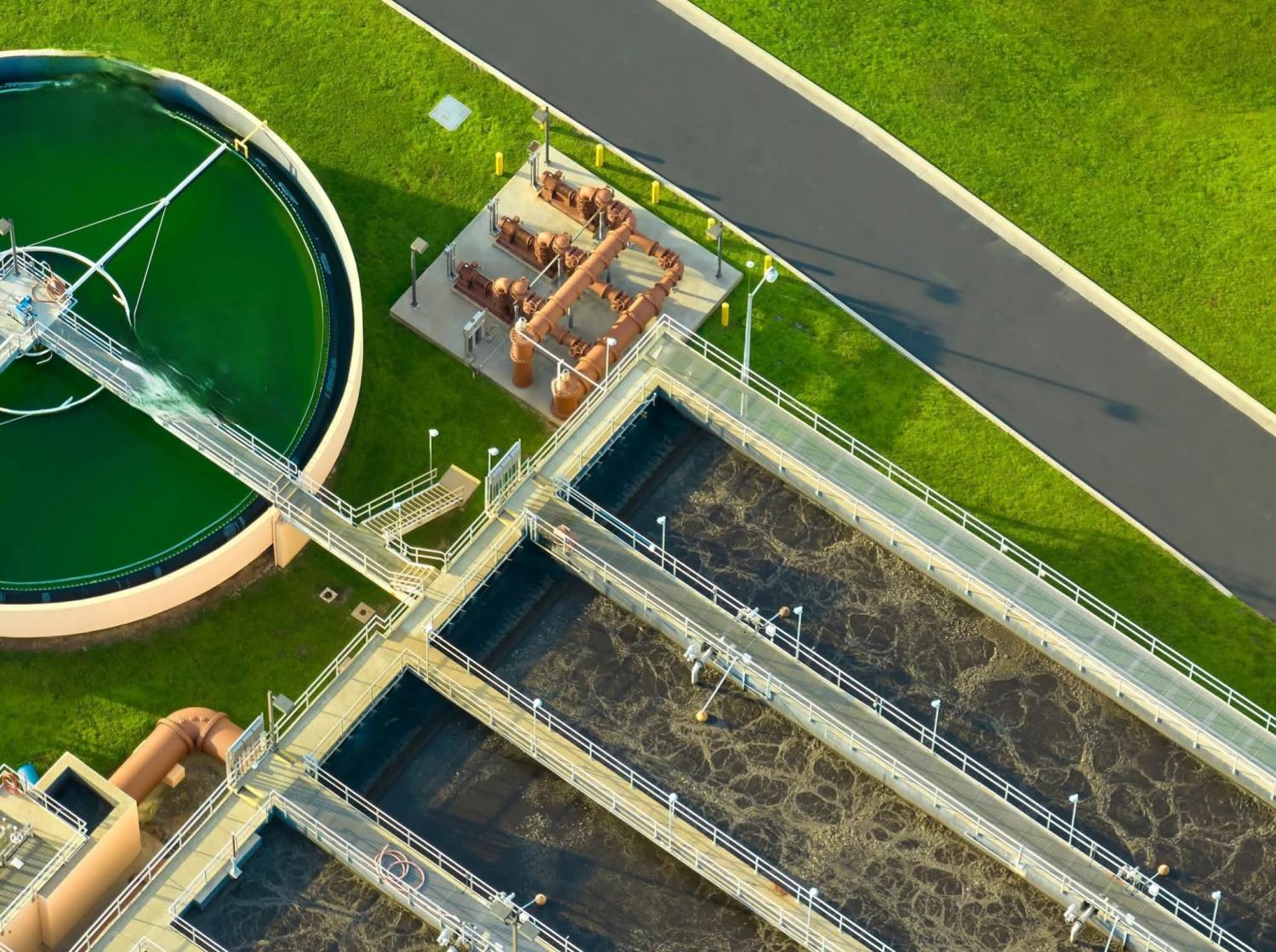
According to the technical team behind the project, it is designed to collect, transfer, and treat wastewater generated by the city’s 1.5 million residents. The treated water will then be used for major environmental initiatives such as Erbil Green Belt, which aims to surround the capital city with seven million trees; and the Life Path Project, which aims to transform an old water canal into a modern business and leisure area.
The foundation of a healthier society
To understand the impact of the new plant, it helps to look at how wastewater is currently managed in the city.
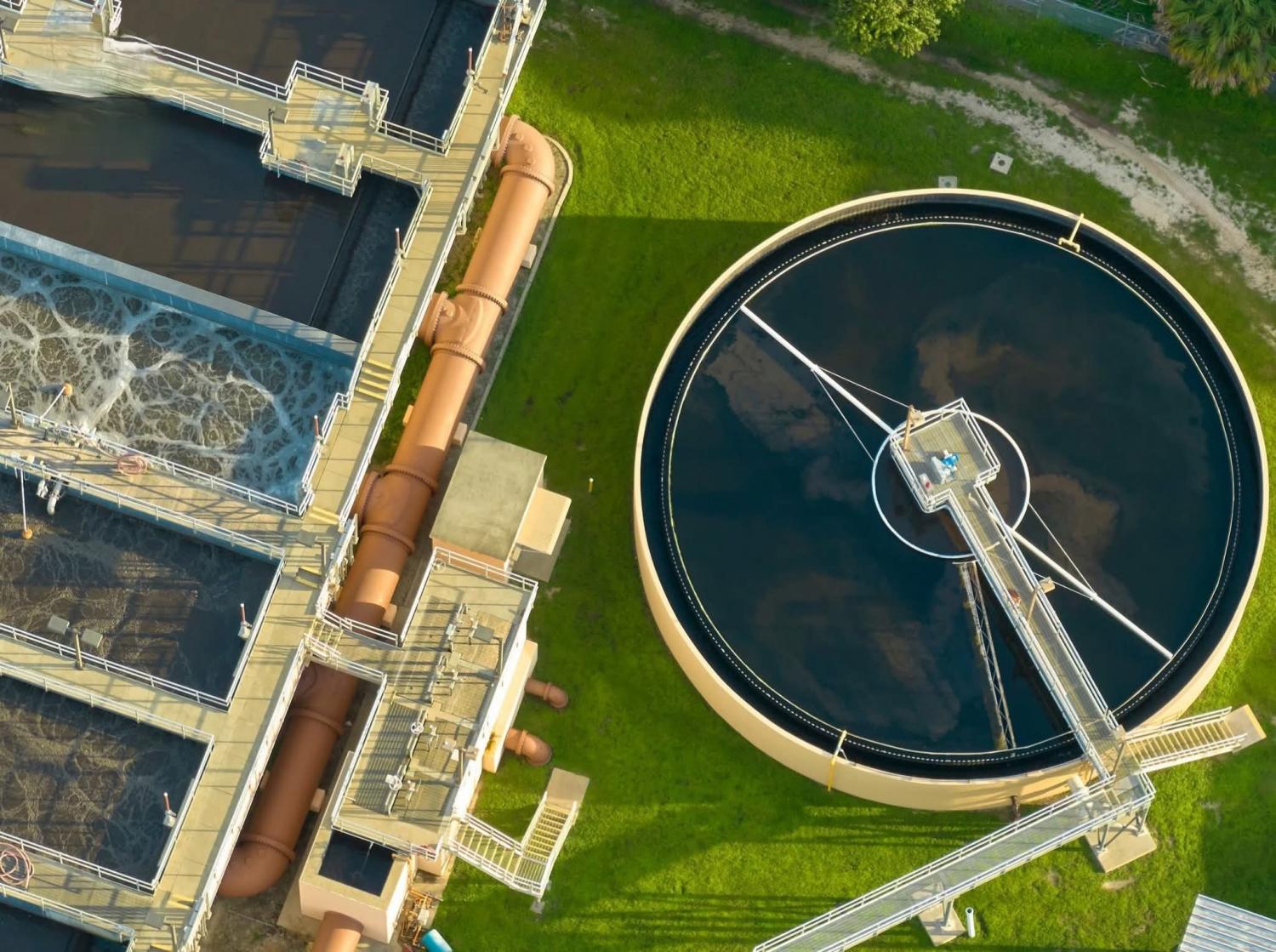
Currently, cesspits are the primary means of disposing of liquid waste and sewage in Erbil and across the Kurdistan Region. An estimated additional 318,000 cubic meters of wastewater per day is discharged outside the city through four channels, significantly exacerbating health and environmental risks.
The wastewater plant is part of a wider vision for sustainable development across the region. In his speech at the opening ceremony, Prime Minister Barzani stressed that the project reflects the KRG’s broader environmental and urban strategy, emphasizing that the new plant will prevent the pollution of rivers and groundwater, as well as the spread of waterborne diseases.
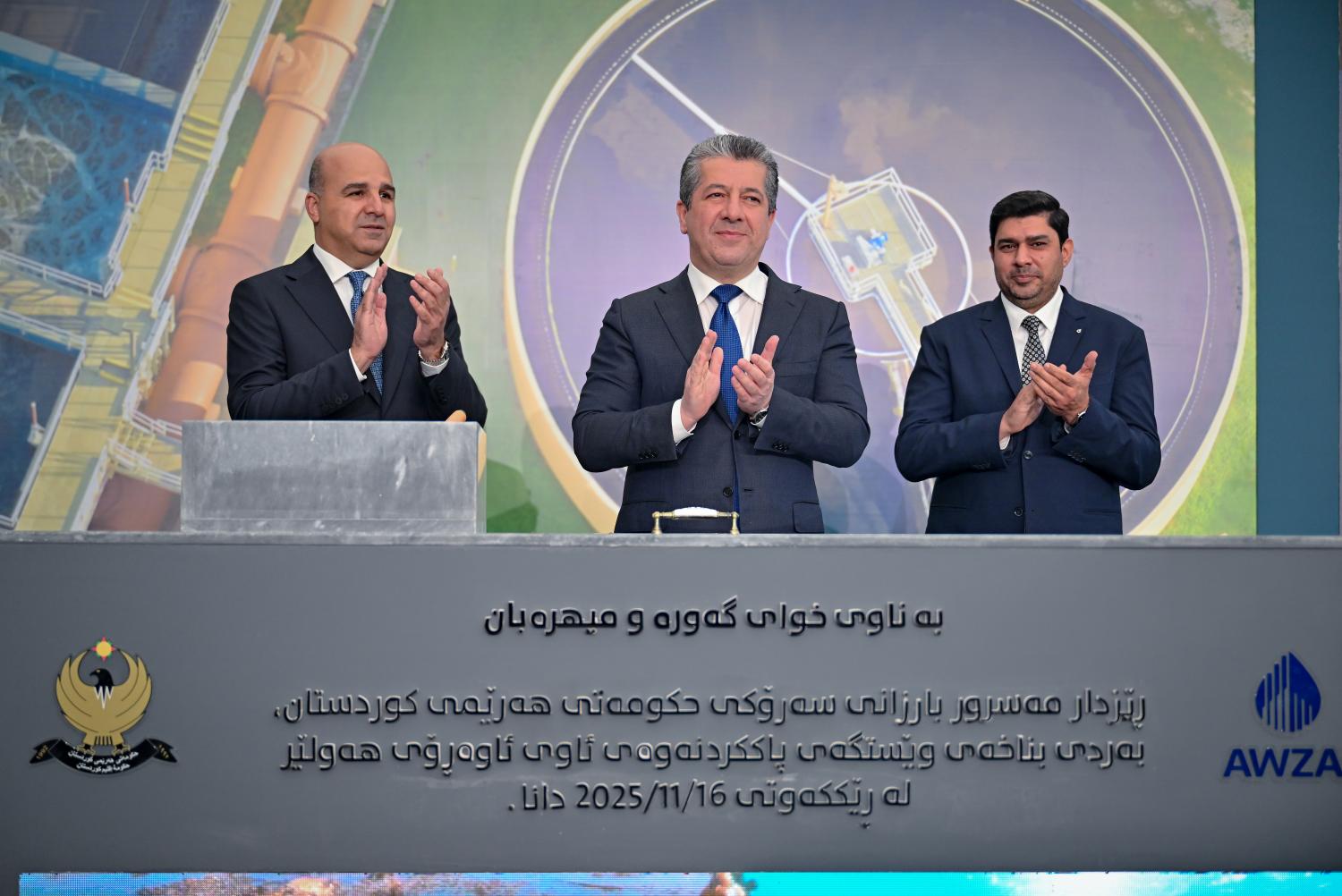
Looking ahead, the project’s scale and its expected impact on Erbil are highly promising. Once fully functional, the project will be capable of recycling up to 840,000 cubic meters of wastewater per day. The plant is expected to begin operations within 18 months.
Since its inauguration in 2019, the KRG’s Ninth Cabinet has prioritized water management strategies by building dams, ponds, water supply plants, and water distribution networks.
“We are working on similar projects in other cities,” Prime Minister Barzani said. “Our goal is to raise the quality of life, improve public services, and protect the environment across all of Kurdistan.”
“Our vision is to see Kurdistan become a leading region of progress and prosperity. With projects like this, we lay the foundation for a cleaner environment, a healthier society, and better lives for our people.”
Kurdish journalist and translator besed in Erbil, Kurdistan Region.