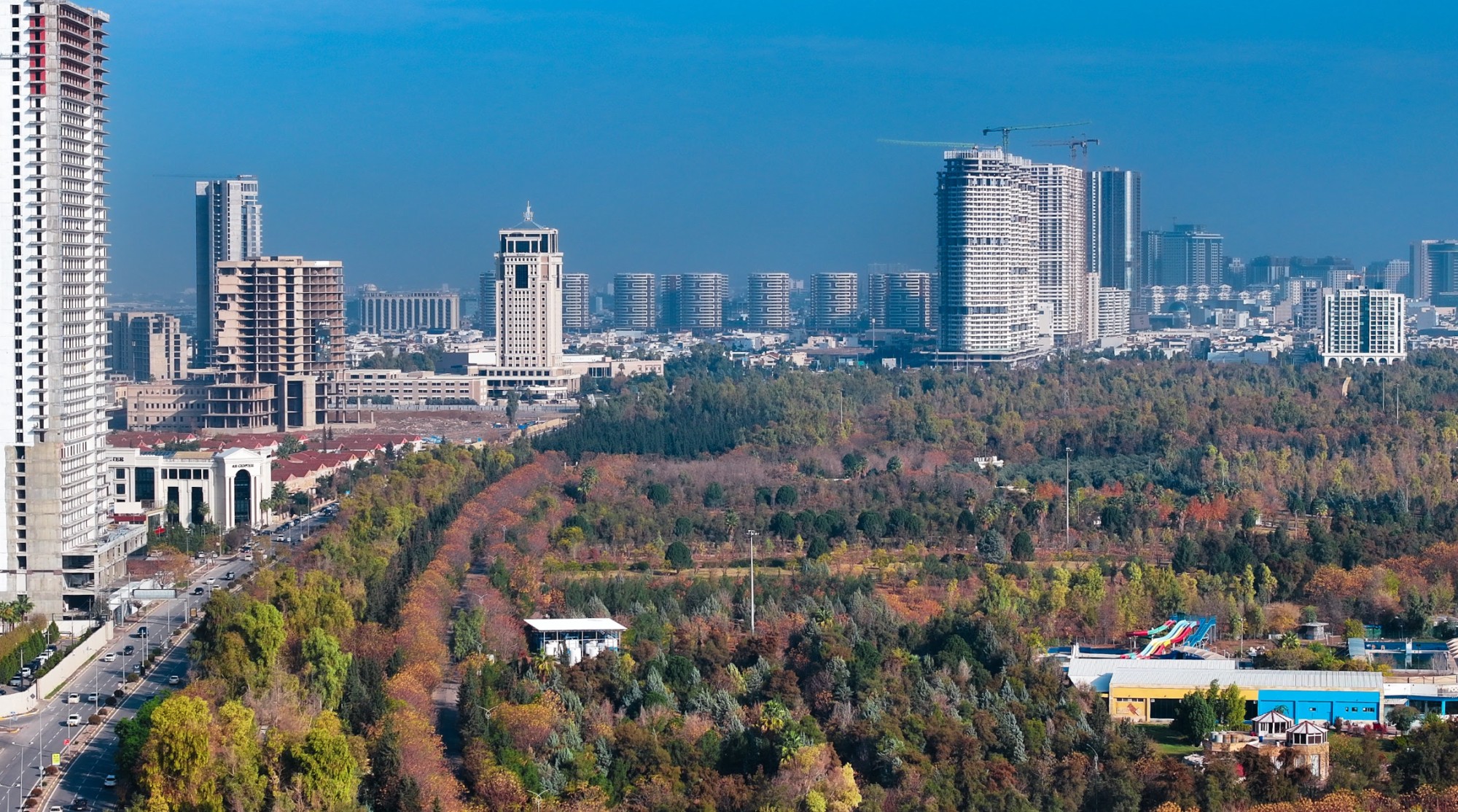
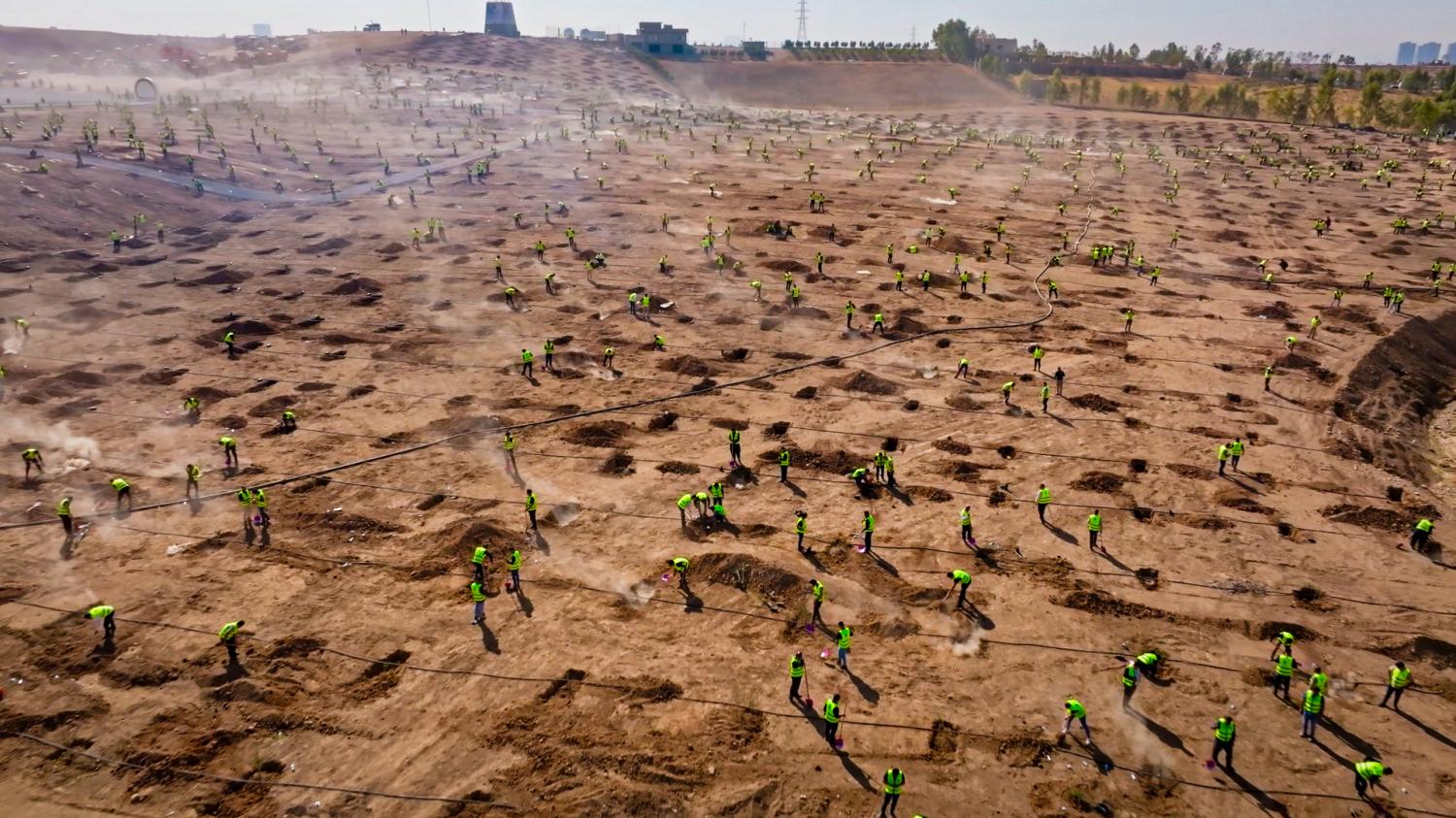
On October 30, Kurdistan Regional Government (KRG) Prime Minister Masrour Barzani joined hundreds of volunteers in green vests to plant the first tree of what is already dubbed by environmental activists “the lungs of the capital.”
The Erbil Green Belt, a landmark initiative by the KRG aimed at preserving the environment, includes planting 7 million trees around the Kurdish capital to ensure clean air and reduce the negative impacts of climate change for generations to come.
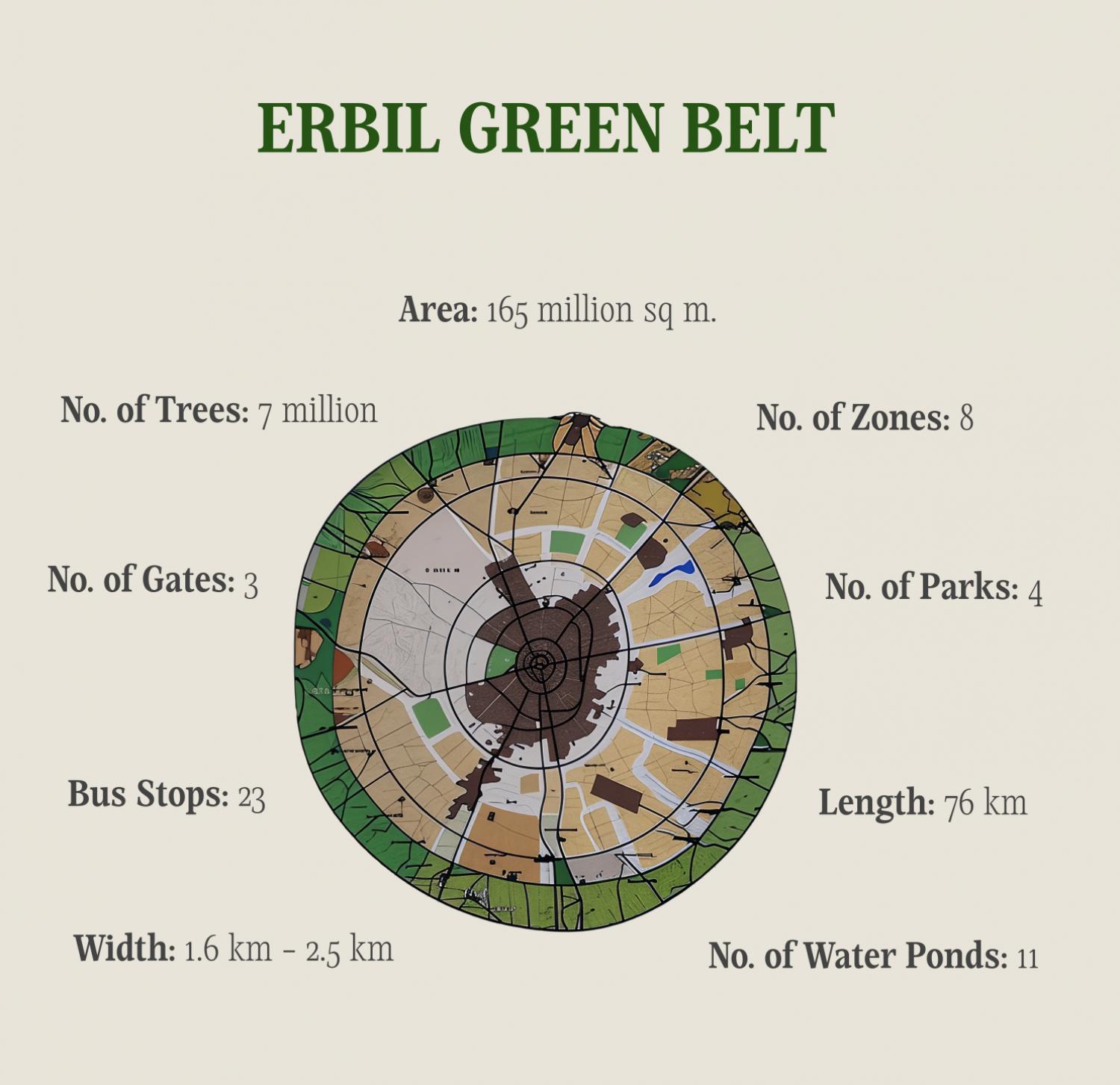
The Green Belt in numbers
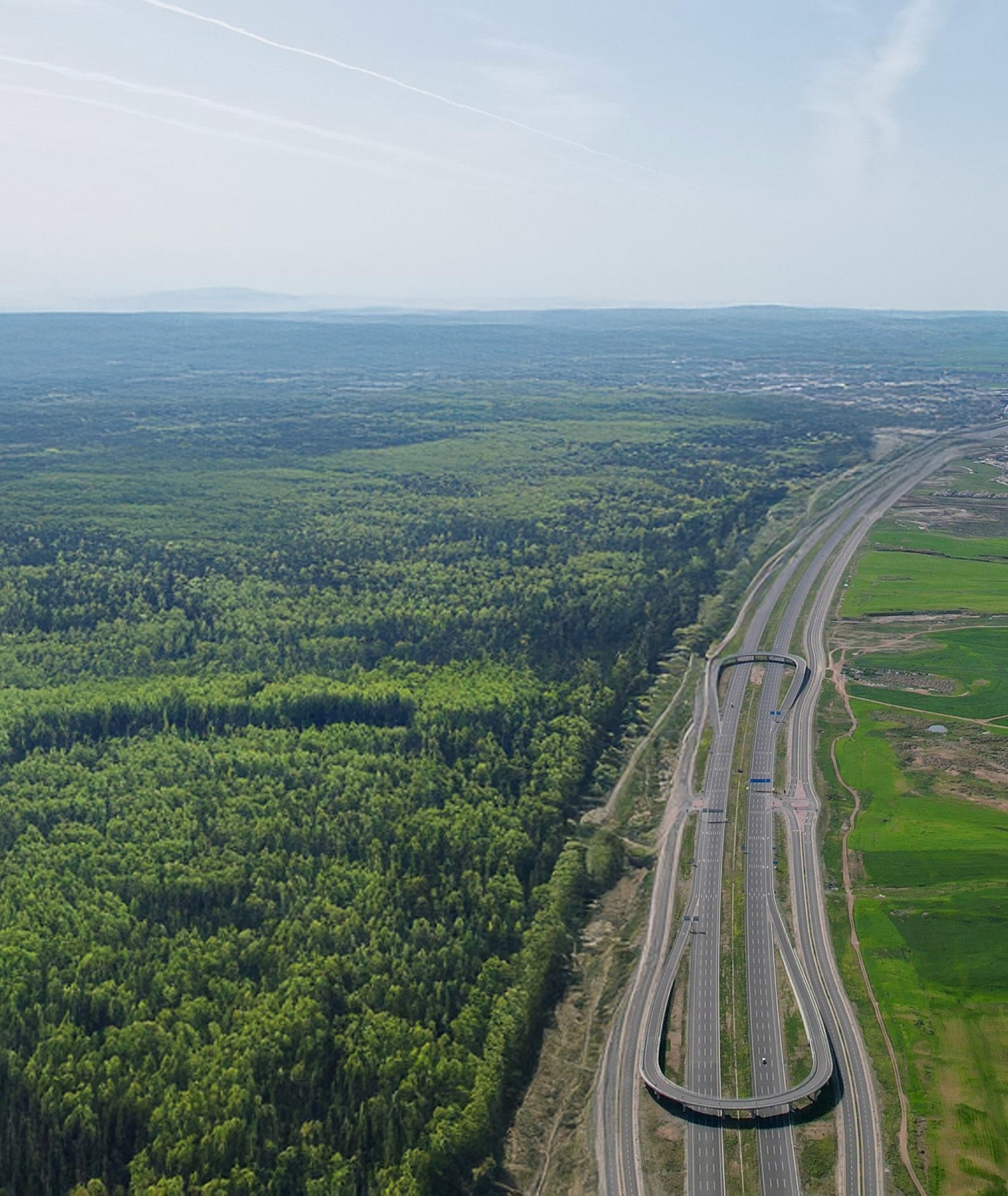
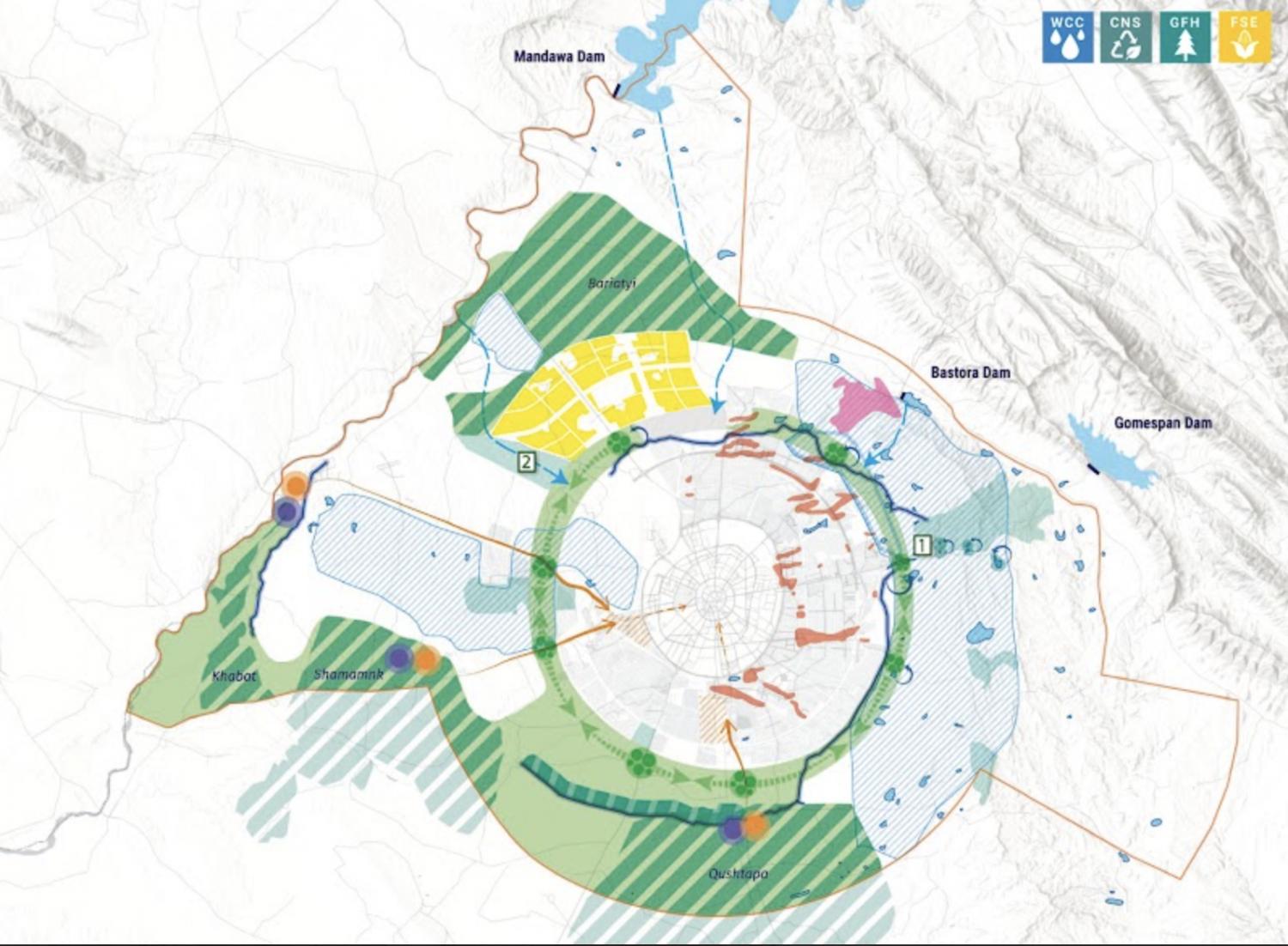
The Green Belt is a 75-kilometer-long green space that follows the urban design of Erbil to form a circle around the city. Varying in width from 1.6 to 2.5 kilometers, it covers a total area of 165 million square meters.
The entire area will be divided into eight different zones with three major entrance points. According to a detailed master plan published by the KRG, 11 water retention ponds will ensure a steady supply of water to the project, and the project will include four parks. It will be accessible to the public via a special bus route with 23 stops.
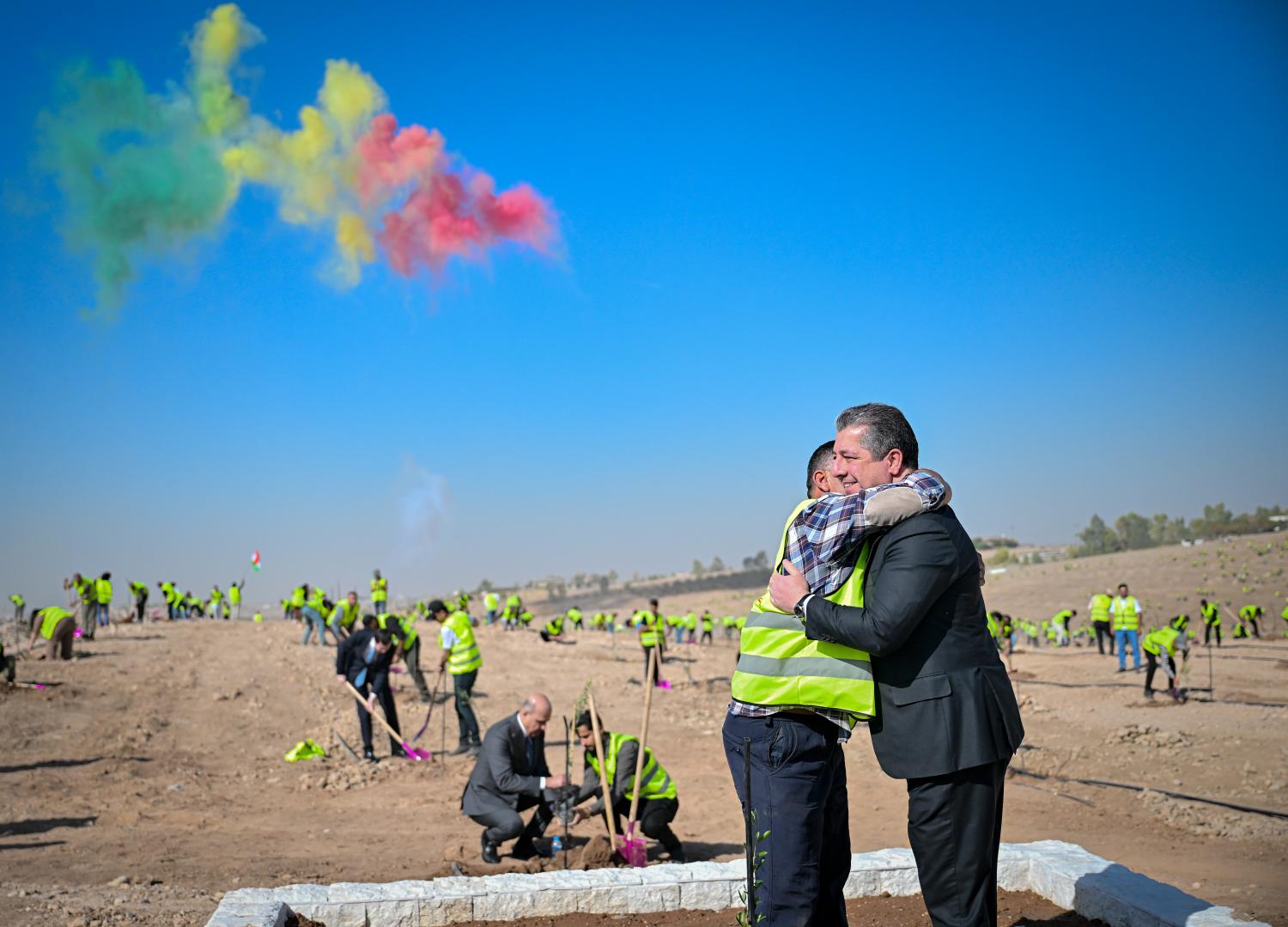
“This project will absorb carbon dioxide and release oxygen back into Erbil’s atmosphere, creating cleaner air and a better quality of life for our people,” Prime Minister Barzani said during his speech at the inaugural ceremony.
“Environmental degradation negatively impacts not only the Kurdistan Region, but also Iraq and even countries beyond,” he asserted. “We want to take action now before it is too late.”
The Green Belt aligns perfectly with the KRG’s ambitious plan for cleaner air in Erbil. As part of the Runaki (Light) Project, 24/7 electricity through the public grid is now being provided to over 4.5 million residents and will phase out 3,700 neighborhood electricity generators, which had previously contributed to the city’s air pollution. This is equivalent to taking nearly 650,000 vehicles off the road – and nearly 700,000 tons of carbon dioxide out of the air – every year.
Improving agriculture
The Green Belt is not only designed to clean up the environment; it will also create thousands of jobs and greatly enhance the agricultural sector of the region.
According to officials, private sector companies will take part in implementing the Green Belt through a comprehensive business plan. The project will involve the planting of olive and pistachio trees, which have strong potential for future economic benefit. The selection of these species is based on experience and scientific research, as olive and pistachio trees require minimal supplies of water and are well suited to Erbil’s climate.
Although no specific country is named, foreign allies of Kurdistan are said to be assisting the KRG in building and maintaining the Green Belt. The prime minister noted in his speech that “our friends have pledged to train young people who want to work on this project to ensure they can contribute effectively to its success.
“The flower blooms because of the rain, not because of the thunder. Likewise, we will continue to rebuild Kurdistan with patience and perseverance,” he said, quoting the famous Sufi poet Mawlana Jalaluddin Rumi to conclude his speech.
is a journalist with 20 years of experience in the field. He has held a number of prestigious positions, including news director at Kurdistan 24 and the editor-in-chief of BasNews.